
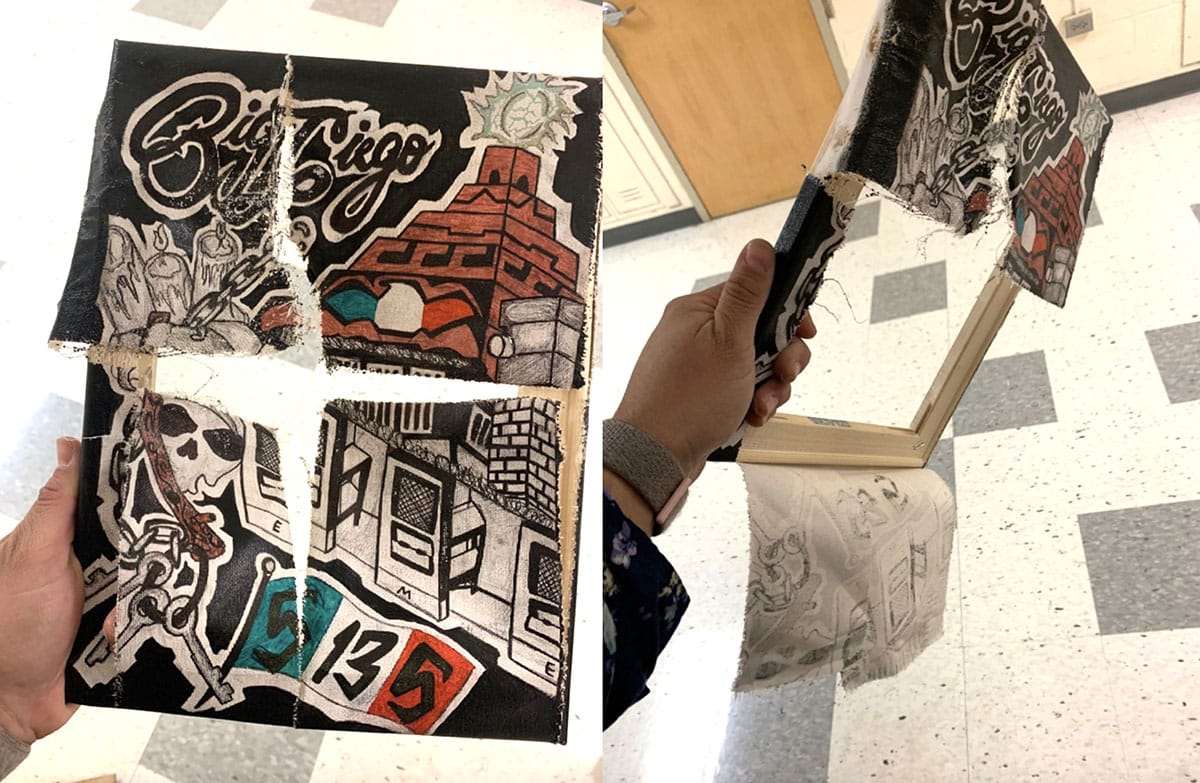
As art teachers, we’ve heard it all. “My artwork is missing!” or “I spilled something on it!” or the dramatic “I’m done—my artwork is totally ruined!” The truth is, art is full of surprises. Learning to navigate the inevitable changes is a powerful part of the creative process. Most of the time, the artwork isn’t actually ruined—students just need guidance to see new possibilities.
Let’s take a look at five common artwork “emergencies” with practical ways to help students work through them.
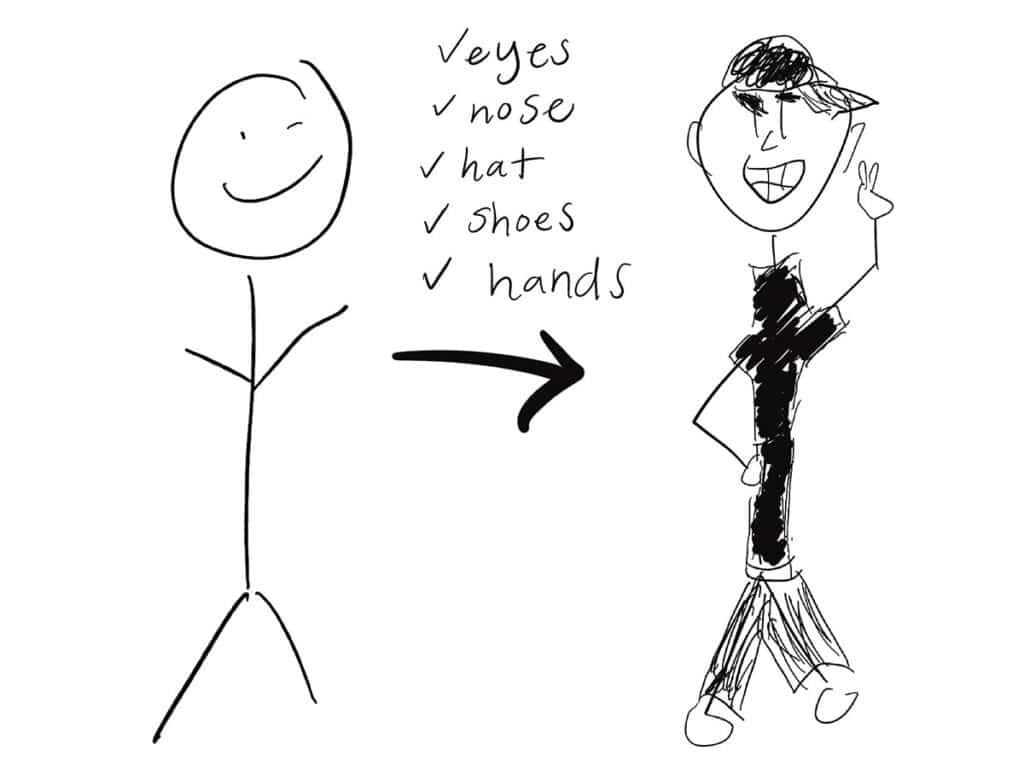
1. “I can’t even draw a stick figure.”
This is one of the most universal phrases we hear both in and out of the classroom. Students often say this because they’re comparing themselves to the polished artworks hanging on the walls or the skills of their peers. They may genuinely believe they lack the “talent” to ever get there. But that’s exactly why they are in your classroom! They’re there to learn, practice, build skills, and discover what they’re capable of.
Navigate change with these strategies:
- Remind students that everyone starts somewhere.
Even the most complex drawings begin with basic shapes. And yes, even stick figures! Use the Resource From Stick Person to Shape Person from FLEX Curriculum as a guide. - Meet students where they are.
In art classes, you’ll see skill levels that vary widely. Scaffold instruction so that the content is accessible for as many students as possible. - Emphasize practice and play.
Compare drawing to a sport or an instrument. Both of them are skills that students can learn through repetition and patience. It takes lessons and practice to get better. Balance this out by simply playing with art supplies to keep enjoyment levels high.
Outcomes:
Art can be intimidating, so remind students frequently that it’s a skill anyone can learn and there’s no shame in starting with stick figures or tracing. The first shift in acquiring an artist mindset is a change in perspective. Keep art light and full of joy with exercises that focus on exploration and play.
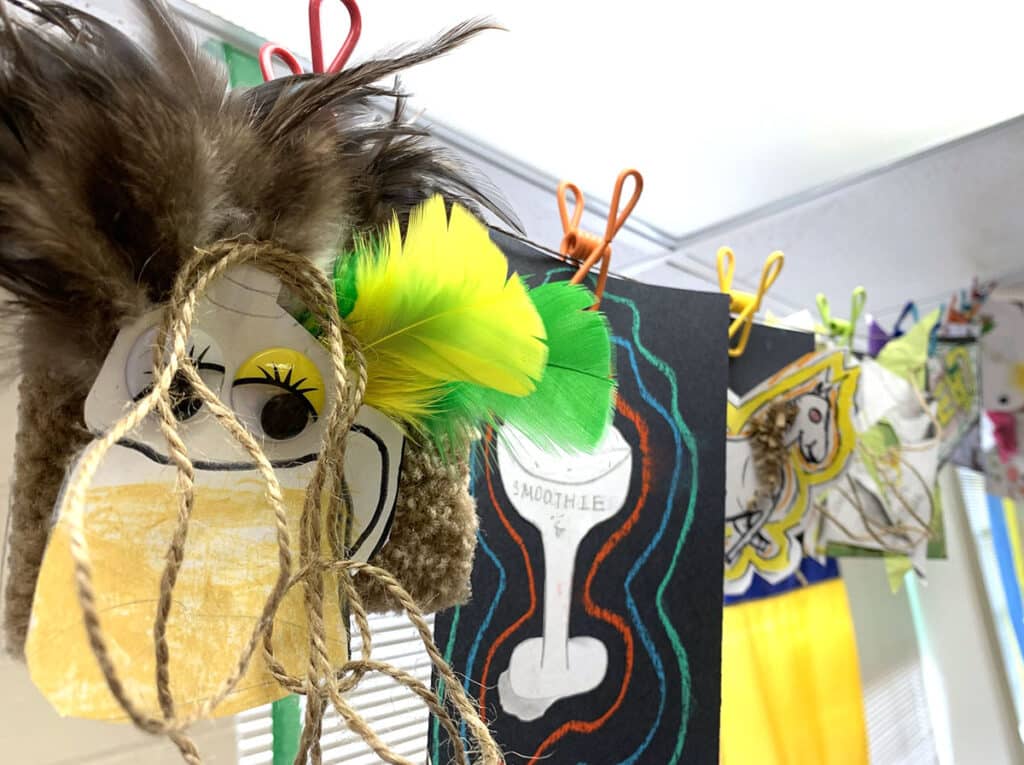
2. “My artwork is lost! There’s nothing I can do about it now.”
When a student believes their artwork has disappeared, the panic is real. Most of the time, the piece isn’t actually lost—it’s just misplaced. This is a chance to show students that even when something feels hopeless, there’s almost always a path forward. (And it’s a great time to talk about organizational skills, too!)
Navigate change with these strategies:
- Refer them to a peer.
When artwork is lost, and the world feels like it’s over, ask them to have a friend help them search. Often, a second set of eyes can find the artwork, and it’s a great opportunity to practice asking for help. - Trouble-shoot where else it could be.
Instead of dropping everything you’re doing to search for the artwork for them, ask them guiding questions to help them problem-solve on their own. Where was the last place you saw it? Who was the last person who touched it? What else could it have attached itself to and traveled elsewhere on? - Brainstorm alternative assignment options.
If the artwork doesn’t pop up, provide time for the student to come up with their own plan and pitch it to you. For younger students, you may need to give options or prompts to walk them through this. For example, a student may opt to redo the assignment but smaller, or with fewer components, allowing them time to catch up.
Outcomes:
A missing artwork can feel devastating, especially when students have invested significant time and effort. Encouraging students to ask for help increases the chances of recovering the piece. Plus, coming up with alternative solutions gives them valuable communication and critical thinking skills.
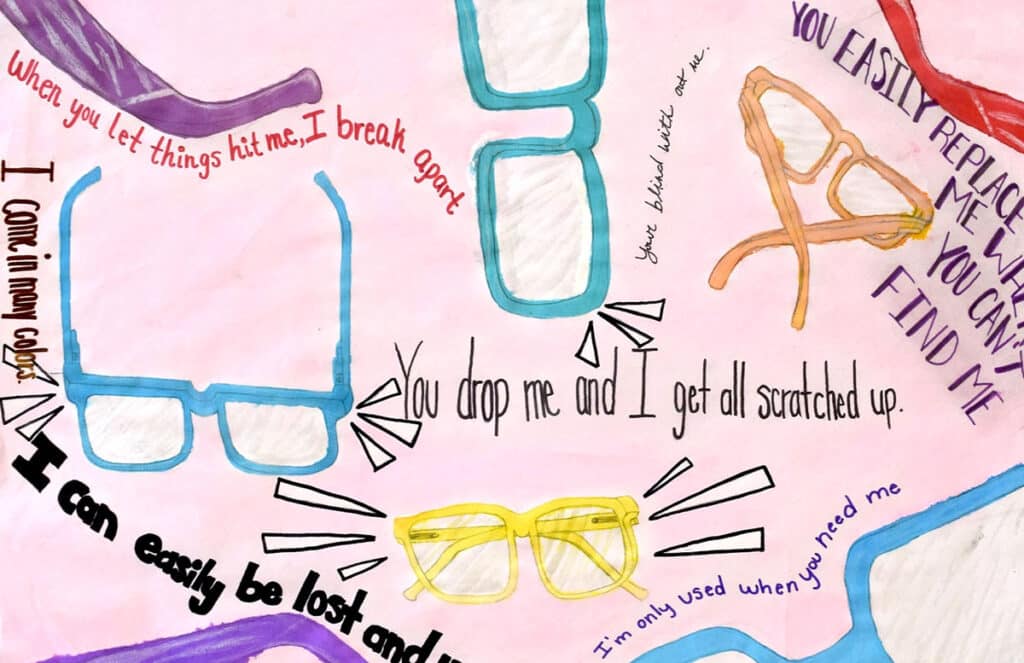
3. “My art is damaged, and it’s completely ruined.”
So many things can happen to student artwork. From dogs eating projects to others “accidentally” drawing on artwork to kiln explosions, the feeling of dread is the same. Students get distraught when the art they’ve poured so much time and effort into is beyond saving. Instead of letting them give up, open wide the door of creative possibilities! It’s often the challenges that push students’ resiliency and innovation to stronger, more meaningful works.
Navigate change with these strategies:
- Acknowledge their frustration.
Validate their feelings first. We know what it’s like to lose progress on something we worked hard on! - Show them how to imagine new possibilities.
Take the “disaster” and show them to lean into it and make it an intentional part of the artwork. For example, if a portion was chewed off, add more torn edges. If a sculpture shattered, take the pieces and reimagine it as a mosaic. Highlight artists who harness chance and the unexpected in their work to foster hope and inspiration. - Shift the mindset from “ruined” to “reinvented.”
Mistakes are a valuable and required part of authentic learning. Reframe what art is and how they approach art so they see it as a growth process and not just an end product.
Outcomes:
Change is inevitable in life—especially surprise changes we don’t plan for. Guiding students through unexpected changes helps build grit and teaches them that creativity can flourish in the face of uncertainty. This is a great time to ask them thought-provoking questions to prompt reflection and introduce them to new artists to unlock fresh possibilities!
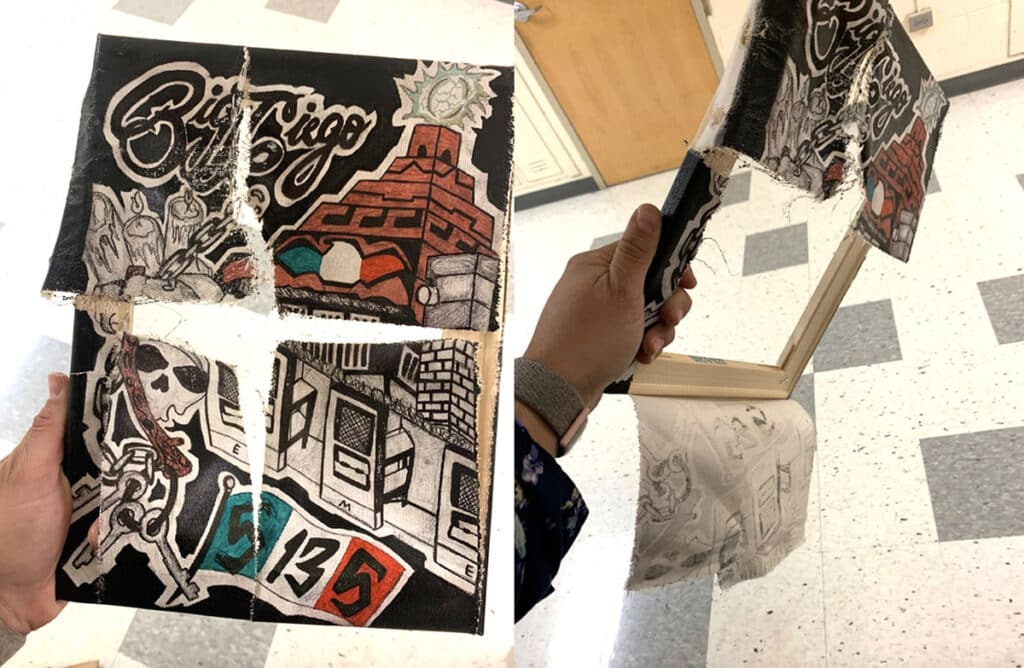
4. “I can’t work on my art piece because I forgot it at home.”
The period started, and everyone is actively creating… except for one student sitting with nothing in front of them. You ask them what’s going on, and they say they left their art at home or in another classroom so they can’t work today. Sometimes this is intentional, but oftentimes, it’s accidental, and students are embarrassed. Good thing there are plenty of options they can do during class to supplement their artwork—even if it’s not in front of them at the moment.
Navigate change with these strategies:
- Approach the student gently.
Open the door for them to explain the situation, instead of being accusatory. When they take ownership, acknowledge it neutrally and thank them for sharing that with you. - Create an action plan together.
Guide them through developing a plan for the period. Ask them questions so they can decide how they will remember to bring it next class, and what they can best spend their time on now. - Offer meaningful alternatives.
If they’re unable to come up with a plan on their own, provide options. They can work on an extension or enrichment activity, practice or explore a relevant technique, or research an inspirational artist. All of these choices will make their artwork stronger and more thoughtful.
Outcomes:
When the classroom norm is to continue studio time even when students forget their artwork, you may find it happening less often. Plus, students will keep learning, expanding their repertoire of skills and knowledge. Of course, if this becomes a pattern, it’s important to step in with a quick call home or an email reminder to help build responsibility and maintain open communication channels.
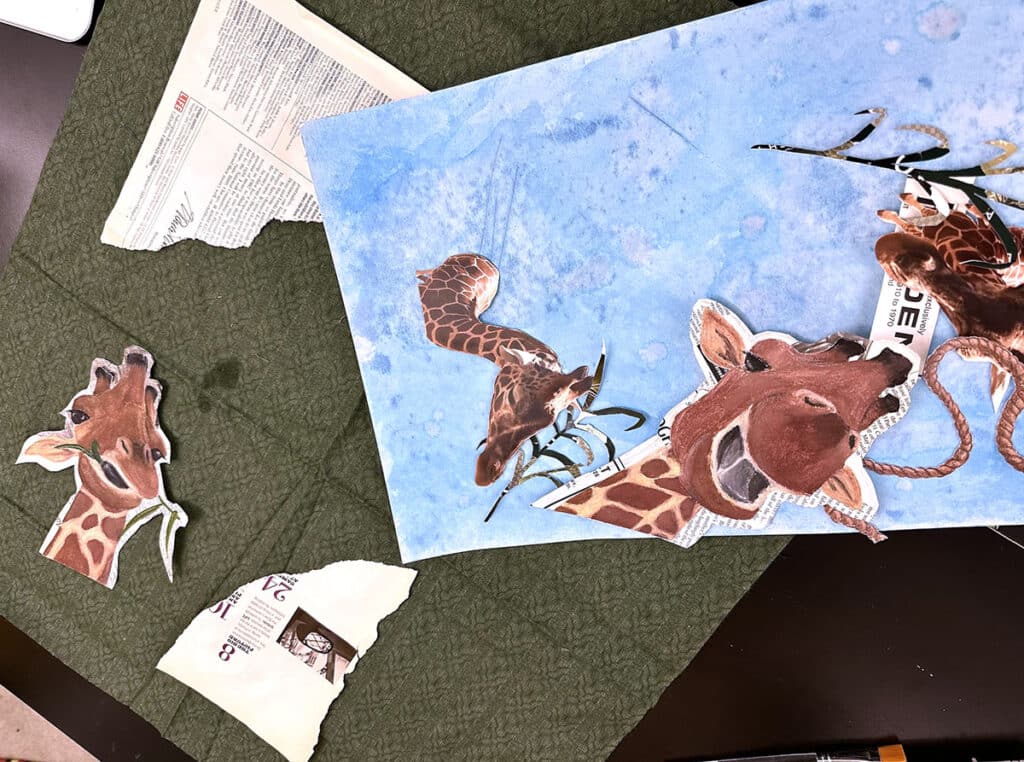
5. “I’m bored.”
Whether it’s artist’s block, “senioritis,” or outside stress, students sometimes lose motivation or feel disconnected from the project they’re working on. And sometimes, it’s simply that the medium or concept isn’t their favorite. Feeling bored doesn’t always mean they’re disengaged—it can mean they may need a new spark or a different perspective. Boredom can also be a good thing! It provides space for students to ponder and imagine beyond the requirements.
Navigate change with these strategies:
- Affirm that it feels boring.
You don’t need to dig deeply into the root cause—just validate that feeling bored or stuck is normal in the creative process. - Connect with the student.
Lean into the relationship you’ve built with them. Sometimes, all it takes is one personalized suggestion to reignite their engagement. Oftentimes, they just need a brain break, and your chat with them fills that need. At other times, because they’re still extrinsically motivated, they’ll get back on track because they simply like that you took the time to check in. - Consider other perspectives.
Because our students have limited life experience, they may need a little help when considering new perspectives. Ask them questions to prompt them to look at their artwork from an opposing viewpoint. Do small thumbnail studies to see what their project would look like with a different angle, color scheme, or medium.
- Modify the prompt.
Similarly, you can try modifying the prompt. This can challenge students to approach their artwork from a fresh mindset, while still meeting the overarching project objectives and requirements.
Outcomes:
It’s helpful to remind students that not every medium, topic, or assignment will be their favorite—and that’s okay. Part of the beauty of taking art classes is discovering what they enjoy most, what challenges them, and what fits into their personal “artist toolkit.” By guiding them through these moments, you teach them how to keep creating even when inspiration feels low and the benefits of embracing boredom.

Unexpected changes are a natural part of the creative process. Our role as art teachers goes beyond teaching technique—we model resilience, problem-solving, and adaptability. Students may be dealing with torn paper, a missing project, unexpected marks, or a design that didn’t go as planned. Whatever the situation, learning to reflect, move forward, and embrace the process is just as valuable as the final artwork.
How do you help students navigate unexpected changes in their artwork?
What strategies or questions turn your students’ “disasters” into breakthroughs?
To chat about navigating artwork changes and challenges with other art teachers, join us in The Art of Ed Community!
Articles and podcasts are opinions of professional education contributors and do not necessarily represent the position of the Art of Education University (AOEU) or its academic offerings. Contributors use terms in the way they are most often talked about in the scope of their educational experiences.