
Maybe it’s the last week of school, maybe you need a few ideas for a fun summer art camp, or maybe you want to get ahead of the game for next year. Whatever the reason, you can’t go wrong with a lineup of sweet, one-day lessons. Students love sugar, summer, and fun, so why not put them all together in art class?
Food-themed lessons are naturally engaging. Students already have strong opinions, memories, and preferences connected to treats. A simple ice pop, cupcake, smoothie, or gumball machine is an invitation to practice color mixing, texture, sculpture, observational drawing, printmaking, or creative design. Scale these activities up or down depending on age, time, supplies, and cleanup needs. Use them now or bookmark them for later—it’s always good to have low-prep, high-engagement ideas ready to go!
Try these sweet, low-prep, one-day elementary art lessons when you need something fun, flexible, and classroom-tested.
Note: Adhere to your district and school’s food and allergy guidelines. If you notice a student who appears hungry or is experiencing food insecurity, promptly reach out to your administrator and professional school counselor to ensure the student receives support and resources.
Origami Lollipops
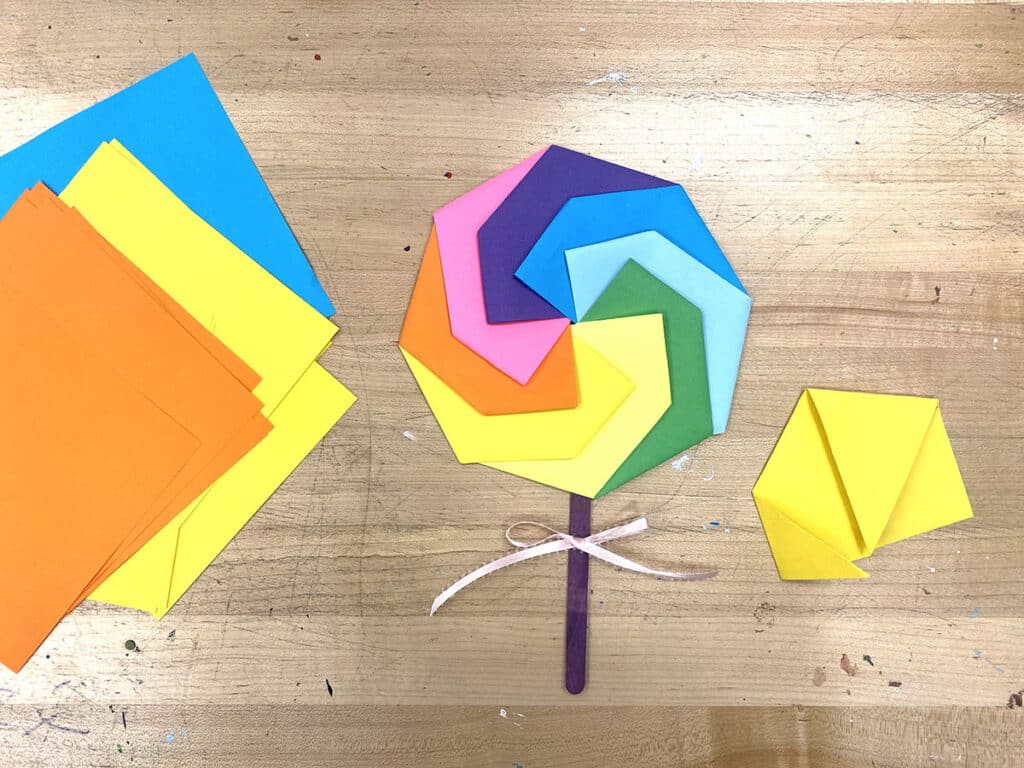
Create playful lollipops as a fun introduction to origami, paper folding, or radial design. Attach the layered paper spirals to paper straws or craft sticks for easy holding. Add patterned wrappers, ribbons, or candy shop backgrounds to complete the design. Extend the lesson by experimenting with repeated folding patterns or designing a signature candy brand.
Skills: Folding, radial design, pattern, color repetition, craftsmanship
Pro Tip: Pre-teach one simple fold pattern, then offer a challenge fold for advanced students.
FLEX Connection: Show the Paper Folding Techniques video.
Materials:
- Origami paper
- Glue sticks
- Paper straws or craft sticks
- Optional: Patterned papers and ribbons
Dimensional Paint Treats
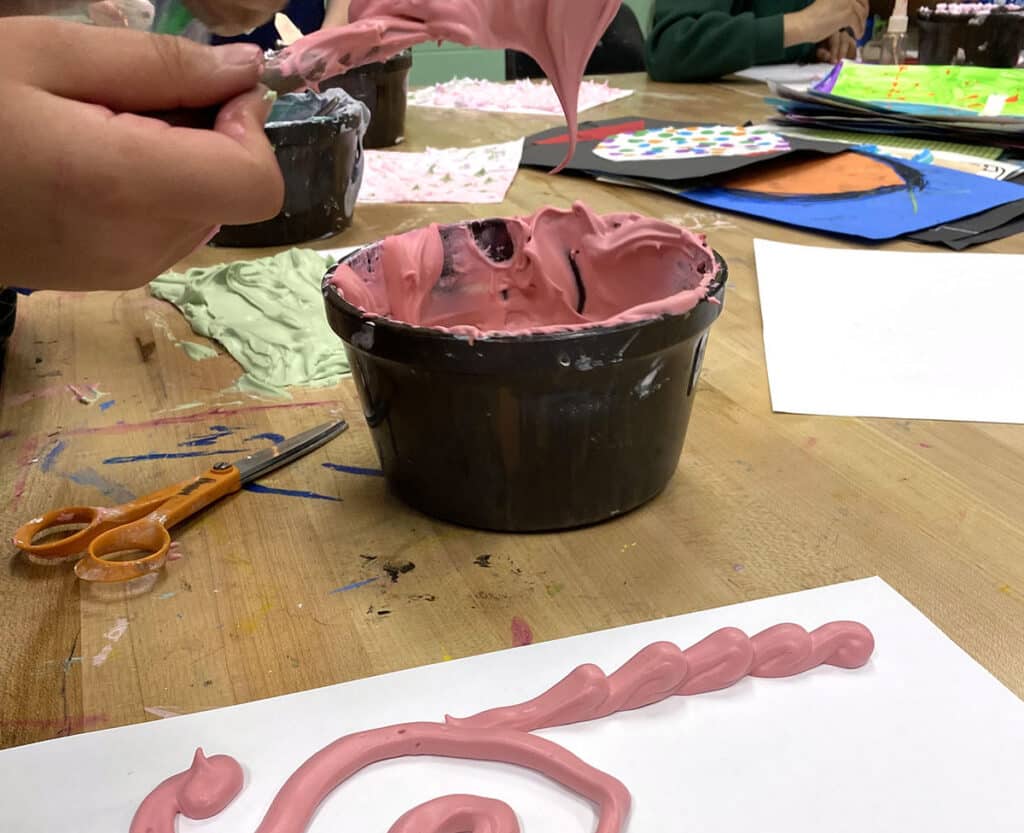
Who doesn’t love a good treat! Students create a drawing of a sweet treat, such as a donut, ice cream cone, or slice of cake. Whip up some “frosting” using shaving cream, glue, and a small amount of color. Pipe the dimensional paint on with zip-top bags with the corner clipped off. Add details such as sprinkles, cherries, chocolate chips, swirls, or stripes. This is a playful introduction to relief sculpture and surface design.
Skills: Texture, line, shape, relief, color mixing, craftsmanship
Pro Tip: Keep the paint fairly thick so it holds its shape. If it becomes too watery, add more shaving cream or glue. For easier cleanup, limit students to two or three colors and have them share small batches at table groups.
FLEX Connection: Continue making three-dimensional sweets with these Cool Treat Soft Sculptures.
Materials:
- Drawing paper
- Drawing supplies
- Shaving cream
- White glue
- Liquid watercolor or tempera paint
- Bowls
- Plastic spoons or knives
- Zip-top bags
- Scissors
Color-Mixing Ice Cream Shop
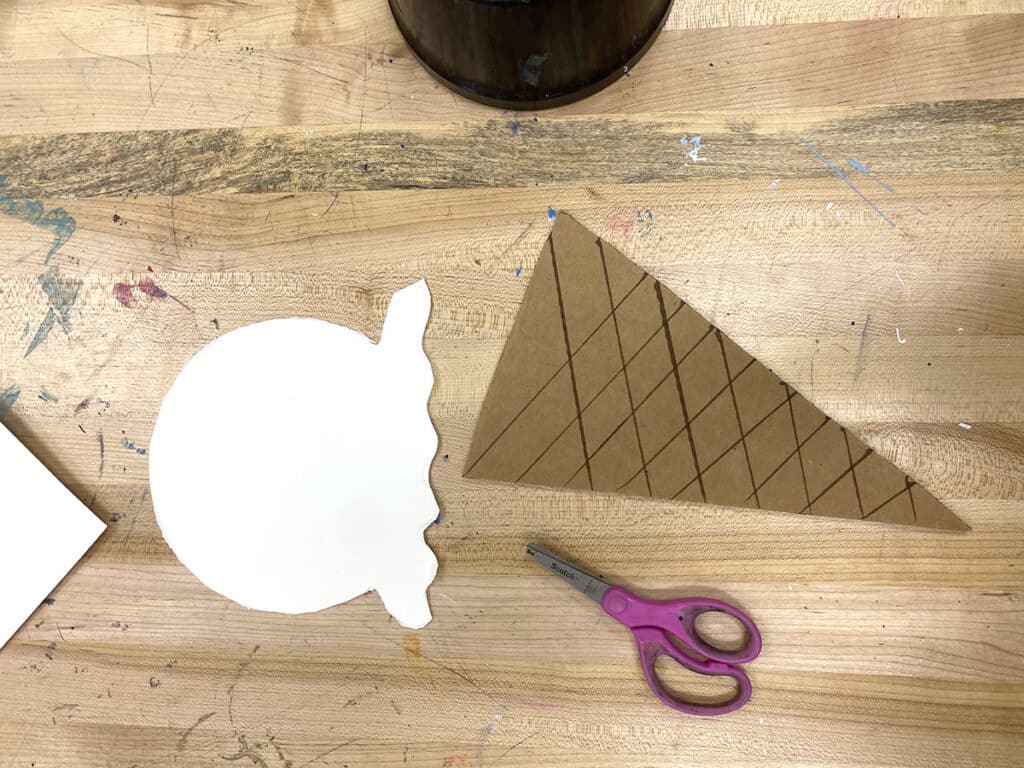
Turn color mixing into an imaginary ice cream shop. Students mix unique “flavors” using primary colors. Each painted scoop becomes a custom flavor with a creative name. Students can paint circles or scoop shapes, cut them out, and stack them onto a paper cone or bowl. Encourage them to create flavors that go beyond the obvious, like Strawberry Sunrise, Mint Meadow, or Alien Pistachio.
Skills: Color theory, color mixing, tints, shades, presentation
Pro Tip: Give students a “flavor test” challenge to mix one tint, one shade, and one unexpected color.
FLEX Connection: Get started with the Basics of Color Collection.
Materials:
- Tempera or acrylic paint
- Brushes
- Palettes or plates
- White paper
- Ice cream scoop templates or circles
- Construction paper cones or bowls
- Scissors
- Glue
Alla Prima Candy Paintings
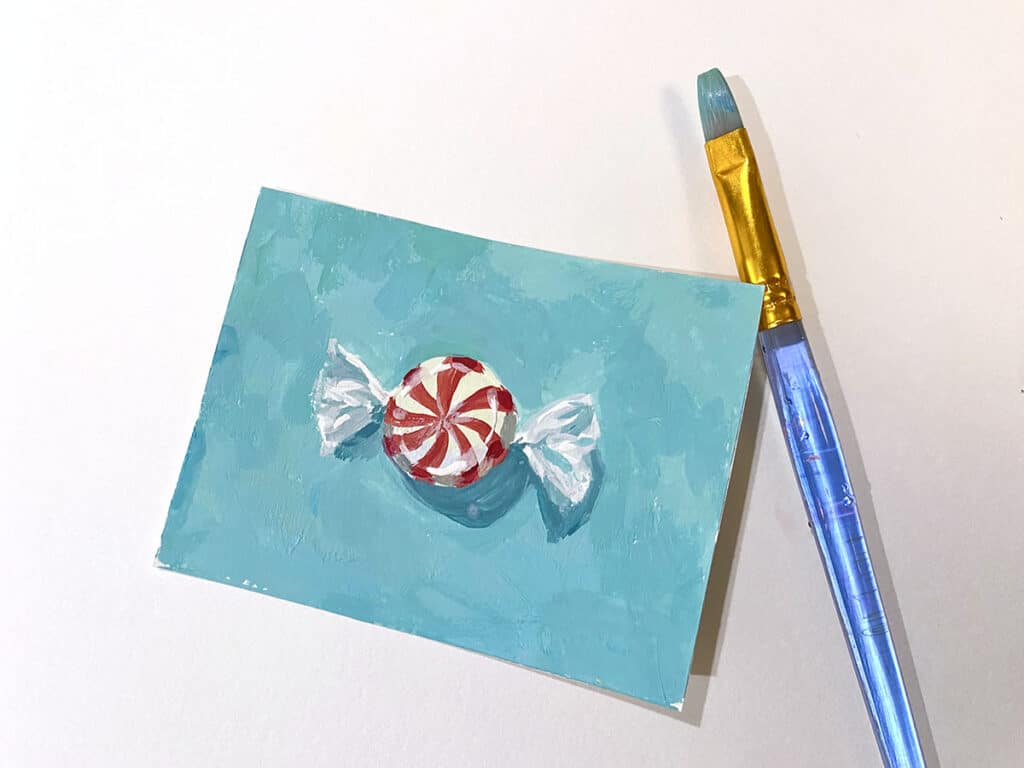
For upper elementary students, candy is an effective observational drawing subject. Students look closely at the shape, wrapper folds, highlights, and cast shadows. Students can create a small finished study using colored pencil or marker, or work alla prima to paint the candy in one session. The goal is not photorealism, but thoughtful observation with a theme that balances play and serious skill-building.
Skills: Observation, proportion, value, color matching, highlights, shadows, composition
Pro Tip: Use larger candy with bold shapes and strong contrast. Peppermints, lollipops, taffy, and metallic foil wrapped candies work especially well.
FLEX Connection: Prepare your students with the Tips for Drawing from Observation Resource.
Materials:
- Wrapped candy
- Small paper or canvas paper
- Pencils or colored pencils
- Watercolor, gouache, tempera, or acrylic paint
- Brushes
- Palettes
Smoothie Blender Designs
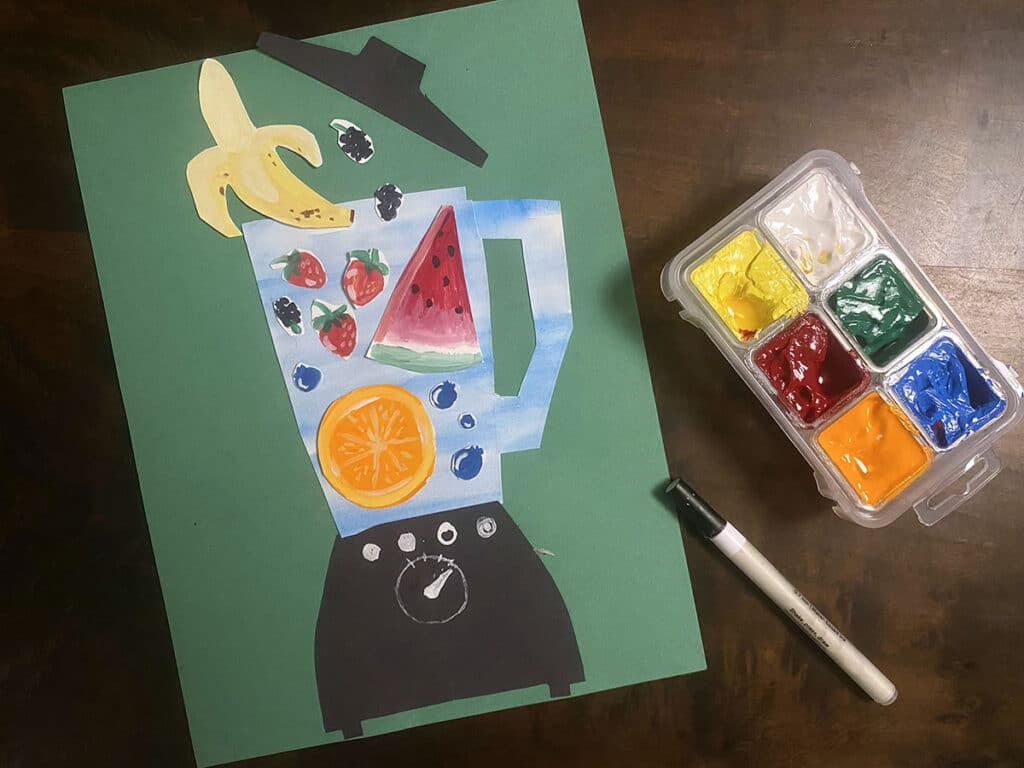
Practice shapes and layering with custom smoothie recipes. Inside a simple blender outline, students add layers of fruit, yogurt, juice, ice, seeds, or imaginary mix-ins. Their smoothies can be realistic, silly, seasonal, or completely invented. Have fun and create a “signature smoothie” with a name, color palette, and ingredient list.
Skills: Collage, layering, color, pattern, design, nutrition connections
Pro Tip: Bring in real fruit for a quick drawing warmup before students begin.
FLEX Connection: Connect young students to food and art history through Giuseppe Arcimboldo Food Collages.
Materials:
- White paper
- Construction paper
- Markers, crayons, and colored pencils
- Watercolor or tempera cakes
- Scissors
- Glue
- Optional: Fruit
Gumball Machines
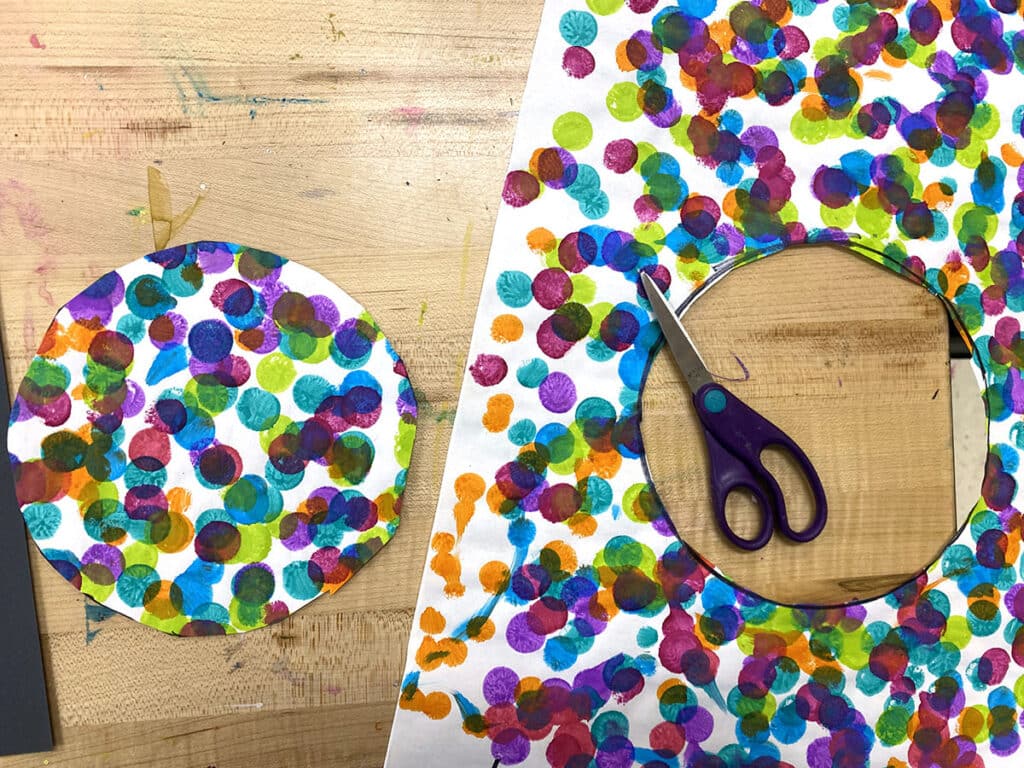
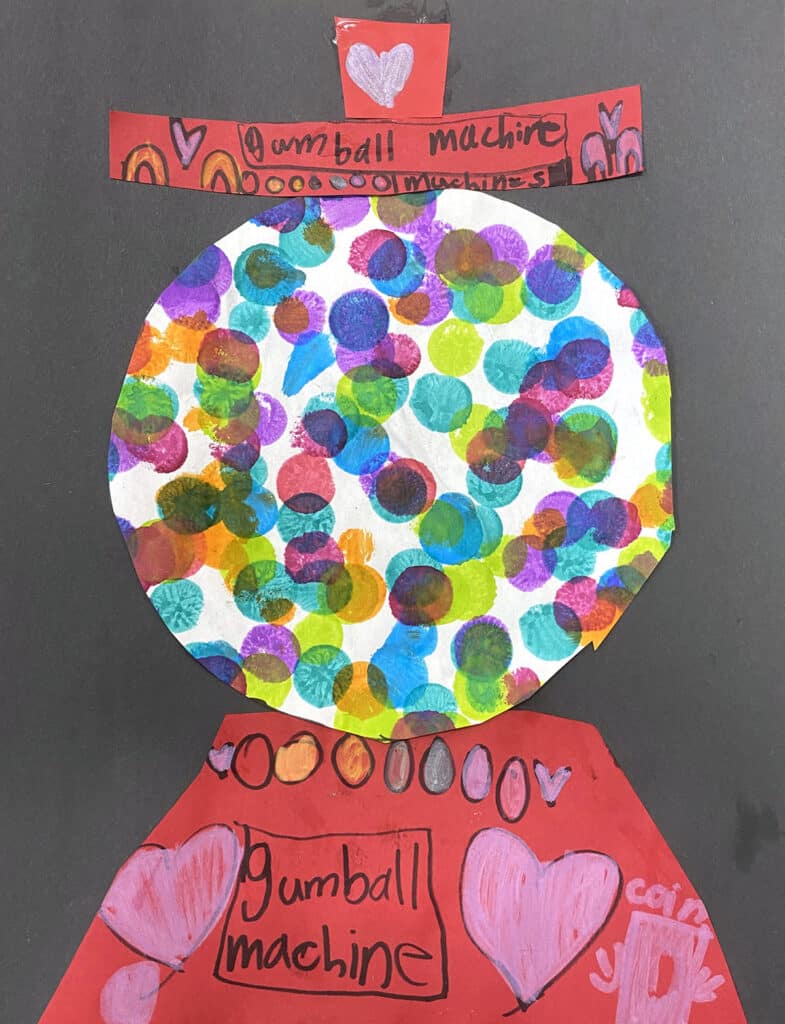
Giant gumballs are so nostalgic, and gumball machines fascinate students! Use geometric shapes to construct a gumball machine and fill it with dot marker gumballs. This is especially successful with younger students because the process is clear, repetitive, and satisfying. Dot markers allow students to create bold colors quickly without a long cleanup process. Students can organize the gumballs randomly, in rows, by color families, or in a repeating pattern. Advanced students can add a background, price label, coin slot, or glass reflection lines.
Skills: Shape, repetition, pattern, color, counting, composition, fine motor control
Pro Tip: Demonstrate “dot, lift, move” to keep the dot shapes intact.
FLEX Connection: Introduce students to American artist Wayne Thiebaud with his artist bio.
Materials:
- Dot markers
- Paper
- Black markers or crayons
- Construction paper
- Scissors
- Glue
- Optional: Circle stickers
Glue and Salt Paint “Gummies”
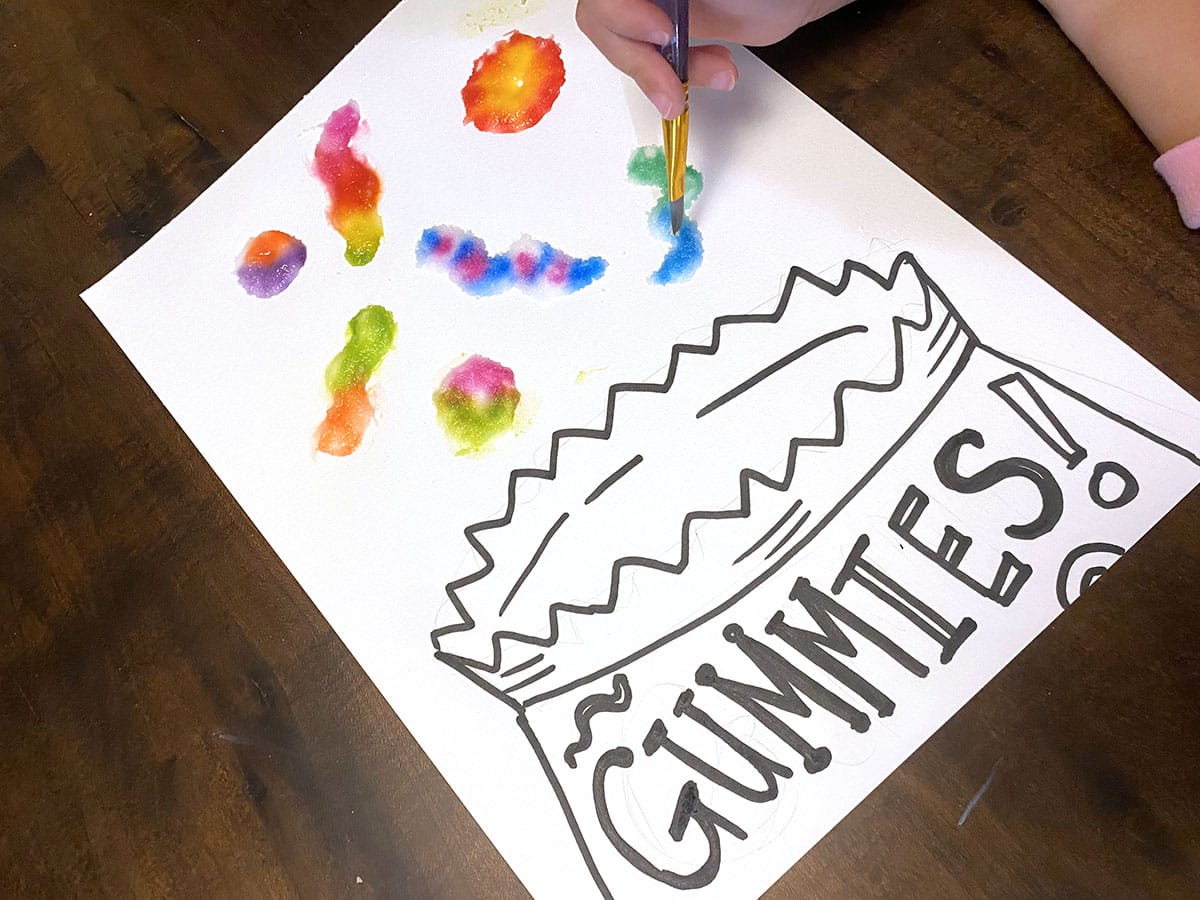
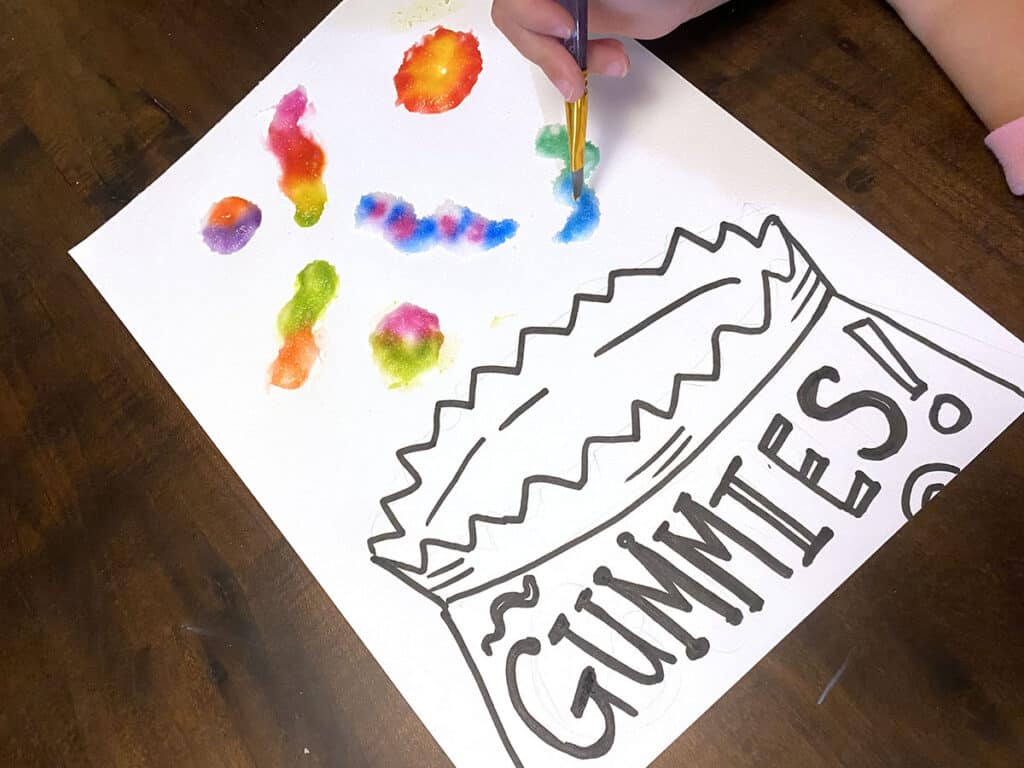
This activity is magical for students to explore salt and watercolors. Draw gummy worms, gummy bears, sour belts, candy rings, or abstract candy shapes with glue. While the glue is wet, sprinkle salt generously, shake off the excess, then drop liquid watercolors (without touching the glue). It’s mesmerizing to see the colors travel, bleed, and interact with the salt! Older students can create a full candy pattern or draw their candy spilling out of a custom bag.
Skills: Line, texture, color blending, basic watercolor techniques, experimentation, design
Pro Tip: Use trays or cafeteria-style paper boats to contain extra salt. A gentle touch of watercolor with a pipette or loaded brush works best.
FLEX Connection: Prompt students to explore texture with the Texture Scavenger Hunt.
Materials:
- White glue
- Table salt or coarse salt
- Heavy paper
- Liquid watercolor or diluted food coloring
- Pipettes or small brushes
- Trays
Edible Mosaics
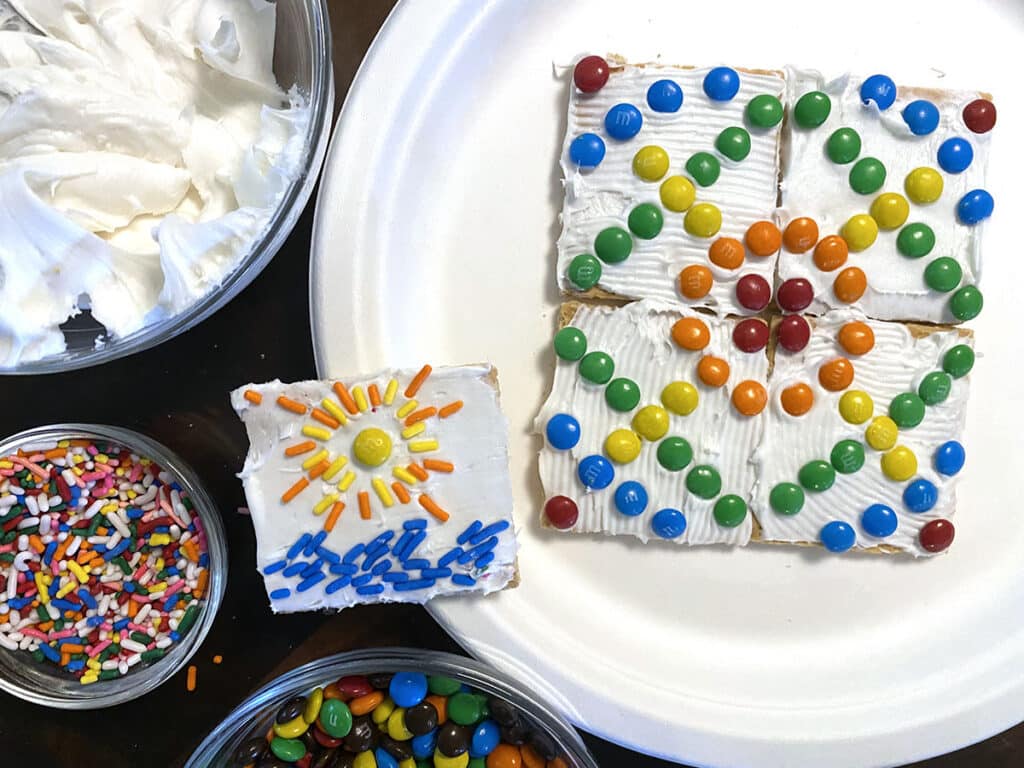
Stretch students’ thinking (and satisfy their snack cravings) with edible mosaics. Show students how many small pieces make up a larger image in a mosaic. Replicate with a graham cracker “substrate,” frosting “glue,” and small candy, cereal, or fruit “tiles.” Extend the lesson for older students by incorporating radial symmetry or collaborative tiles. Working small encourages students to slow down and take their time.
Skills: Simplifying shapes, craftsmanship, attention to detail, patience, planning, fine motor control
Pro Tip: Keep the reference images simple, with a single large subject. Pre-sort treats by color to save time.
FLEX Connection: Support with the Mini Mosaics Lesson and the What are Mosaics? Resource.
Materials:
- Paper plates
- Graham crackers
- Frosting
- Plastic knives
- Mini colorful candies
- Cereal and/or fruit slices
Sweet-themed lessons are more than just cute. They give students familiar subjects, engaging choices, and approachable ways to practice their art skills. Whether students are folding origami lollipops, mixing original ice cream flavors, or carefully observing a shiny candy wrapper, they are building confidence through joyful making. Keep a few of these one-day lessons in your back pocket for when the schedule gets tight, the energy is too chaotic, or everyone needs a creative reset!
What is your favorite sweet-themed art lesson to teach?
How do you keep one-day lessons fun while ensuring supplies and cleanup stay under control?
To chat about sweet one-day art lessons with other art teachers, join us in The Art of Ed Community!
Magazine articles and podcasts are opinions of professional education contributors and do not necessarily represent the position of the Art of Education University (AOEU) or its academic offerings. Contributors use terms in the way they are most often talked about in the scope of their educational experiences.