Why Instructional Support
Is a Teacher Retention Strategy

  • Lowers planning pressure
  • Strengthens consistency for students
  • Makes programs easier to sustain at scale

What the Research Shows

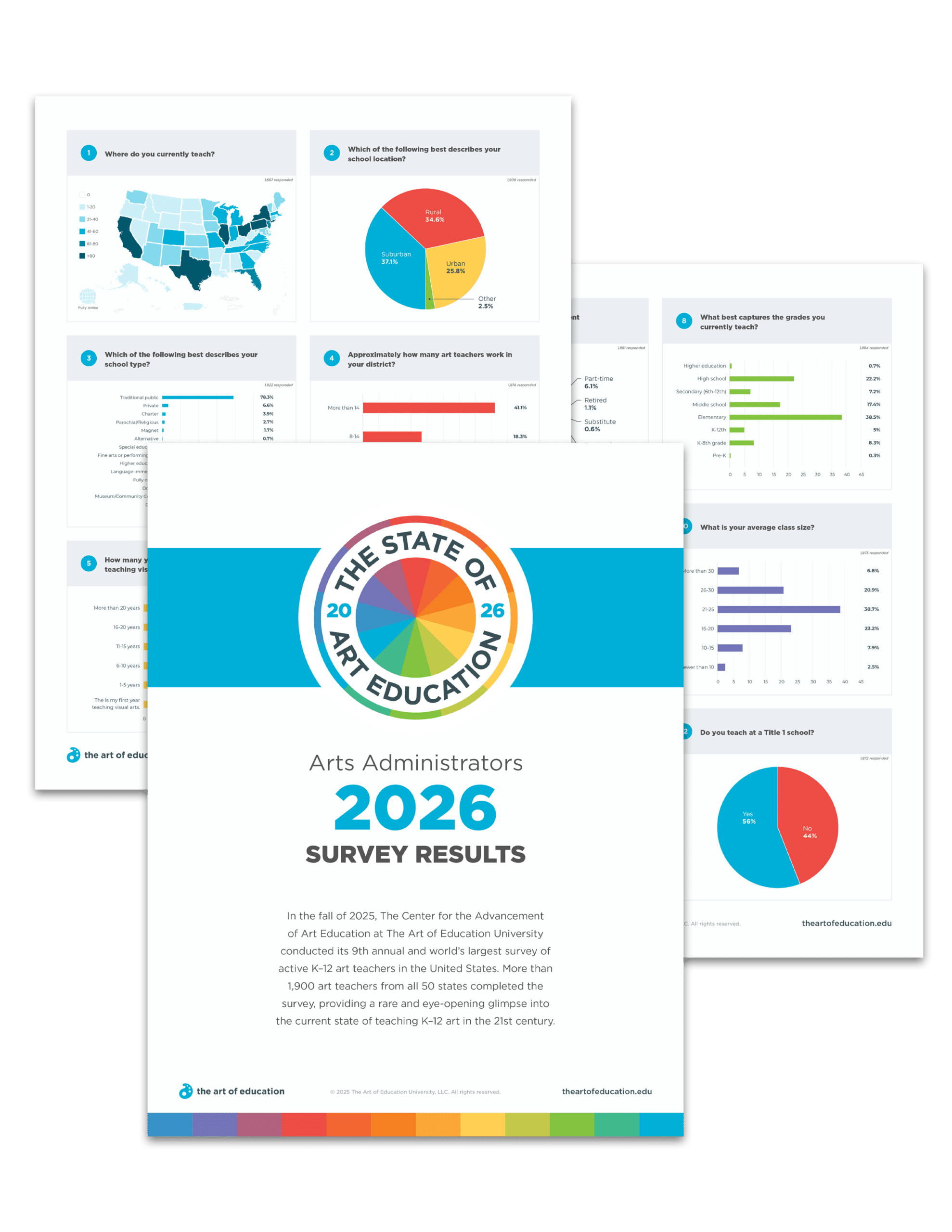
The State of Art Education Surveys, conducted by the Center for the Advancement of Art Education, capture perspectives from both art teachers and arts administrators nationwide. Together, these findings highlight current challenges, instructional realities, and the conditions that support sustainable art programs.

Student Learning and Engagement

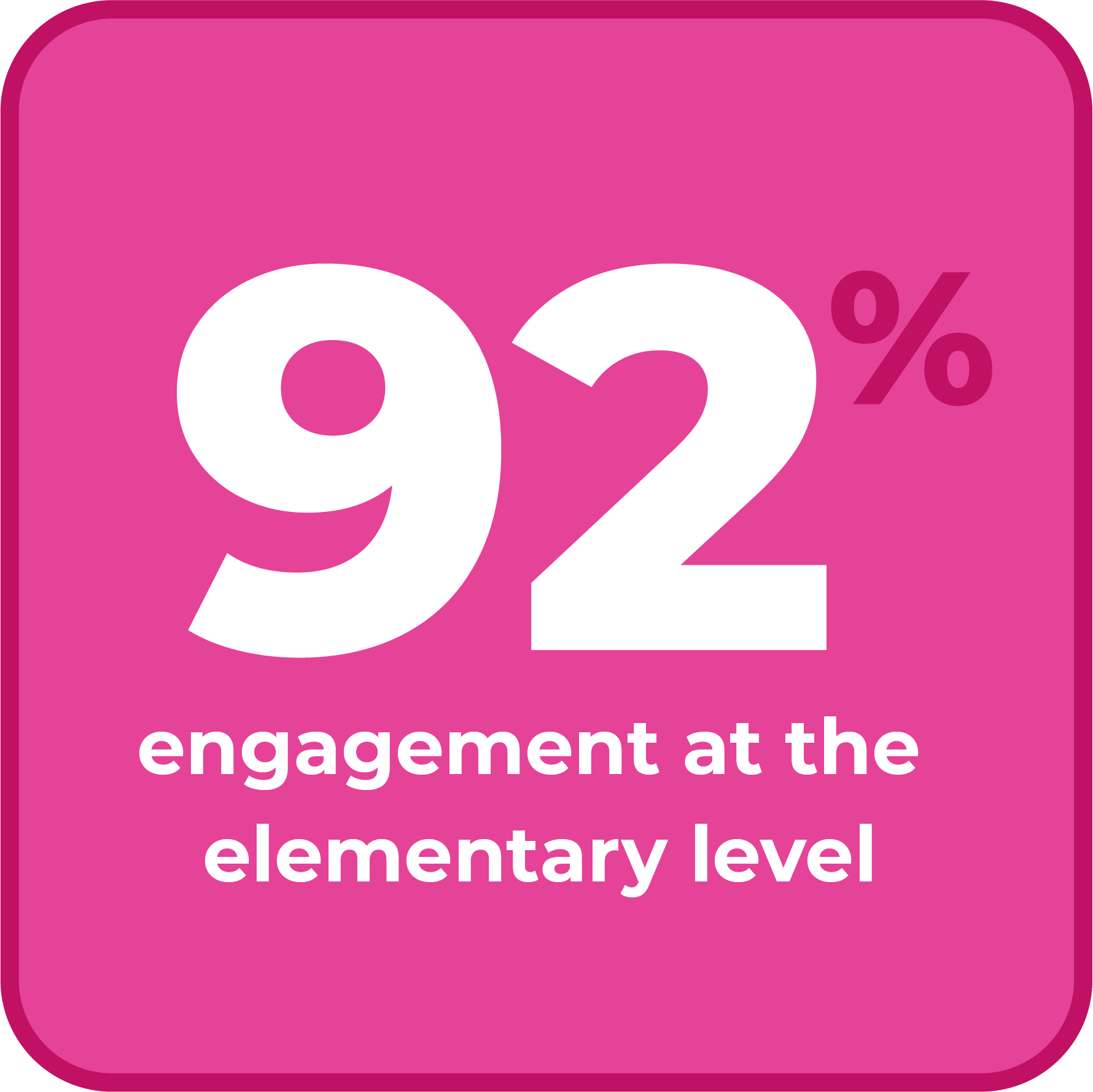
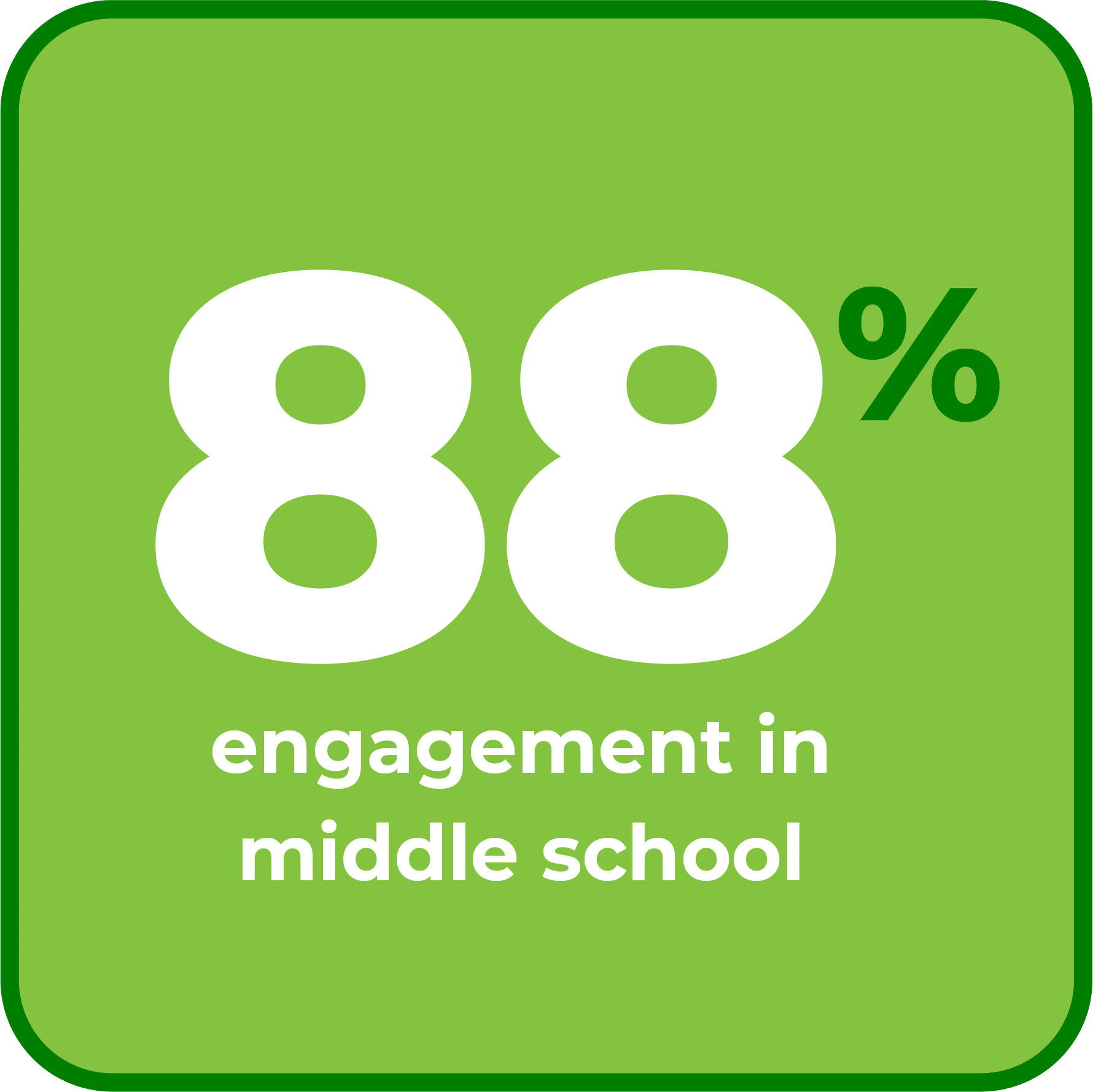
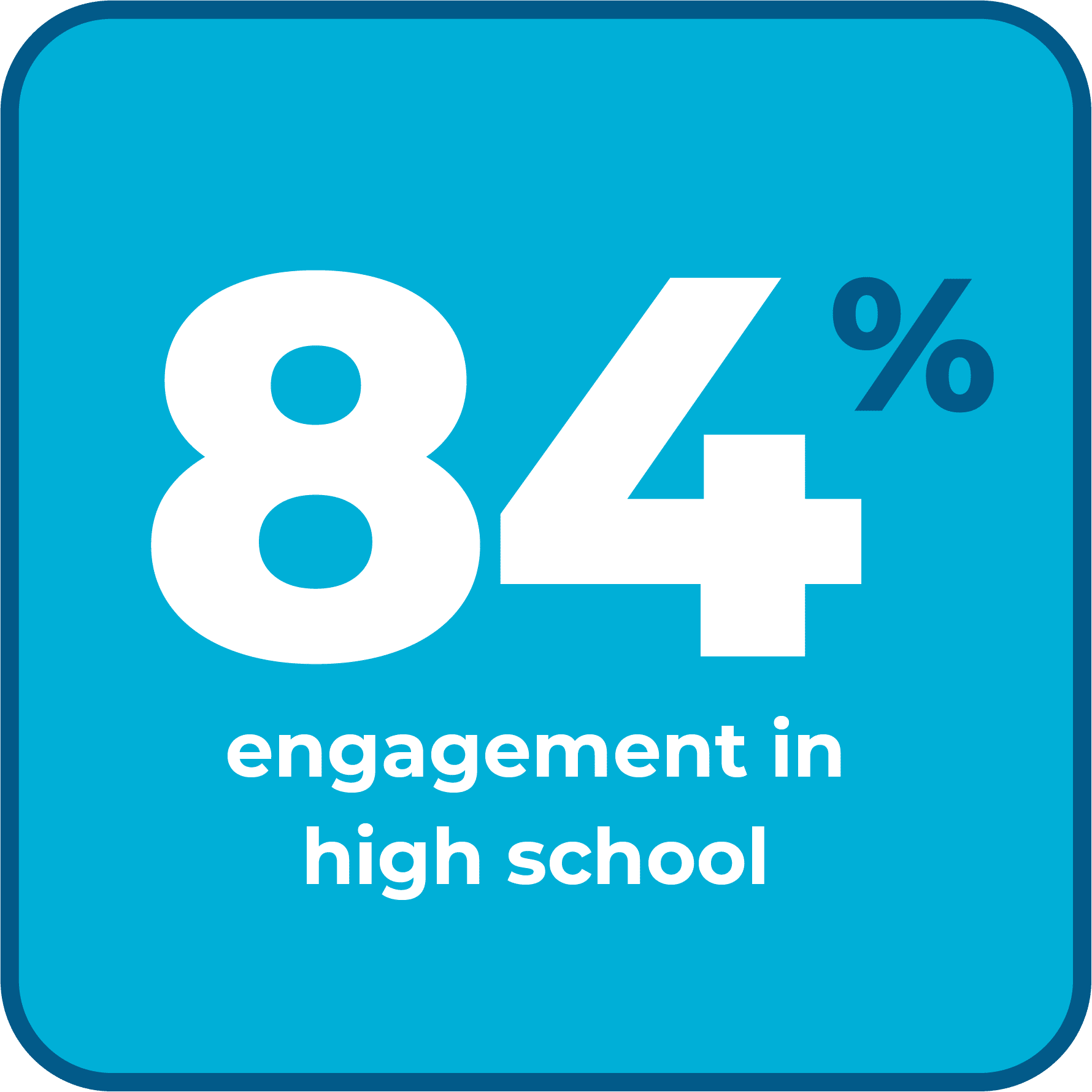
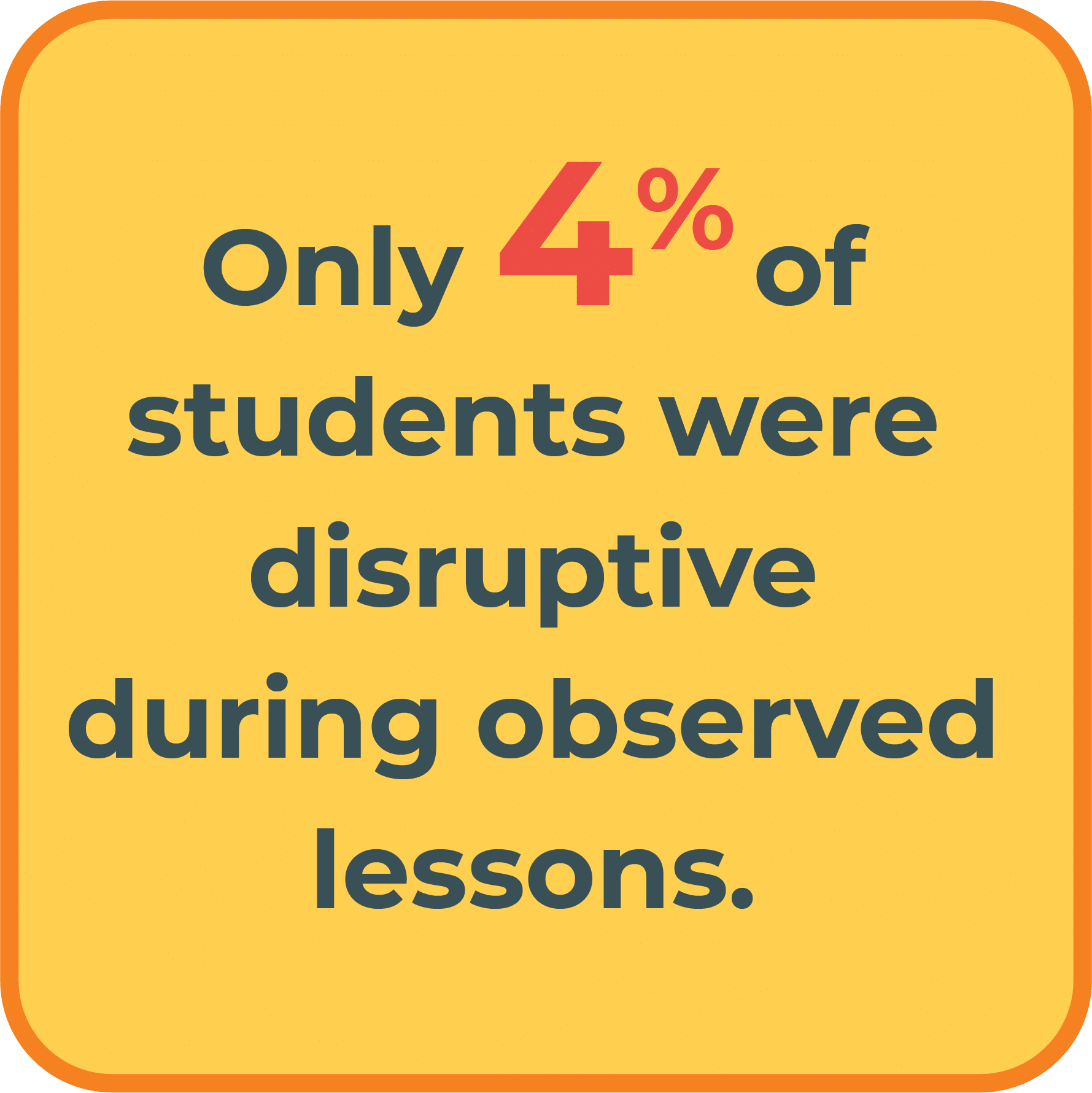
Findings from a year-long FLEX Curriculum pilot study across elementary, middle, and high school art classrooms show that when instructional support is provided, average student engagement is high:

Teacher Experience and Retention

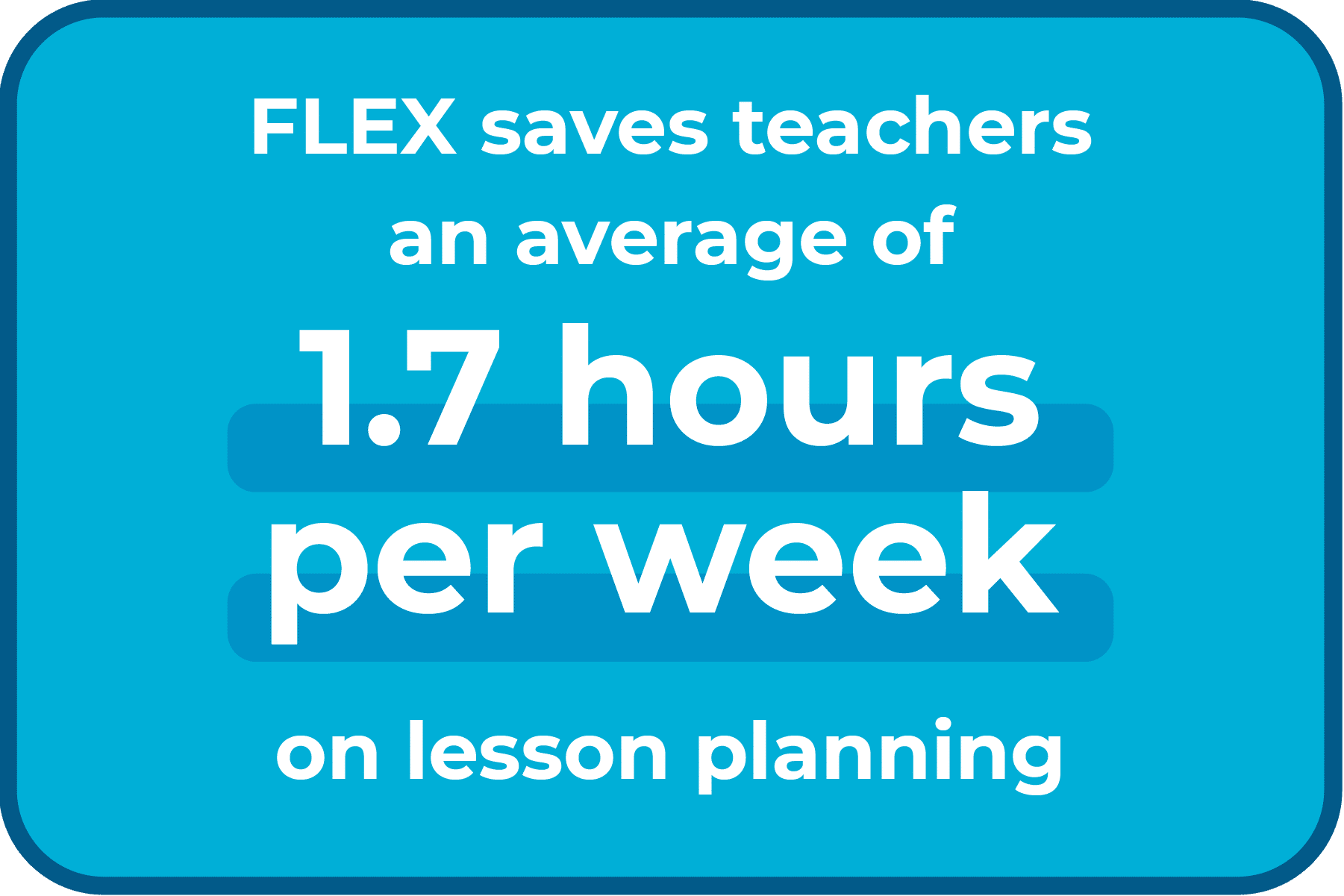
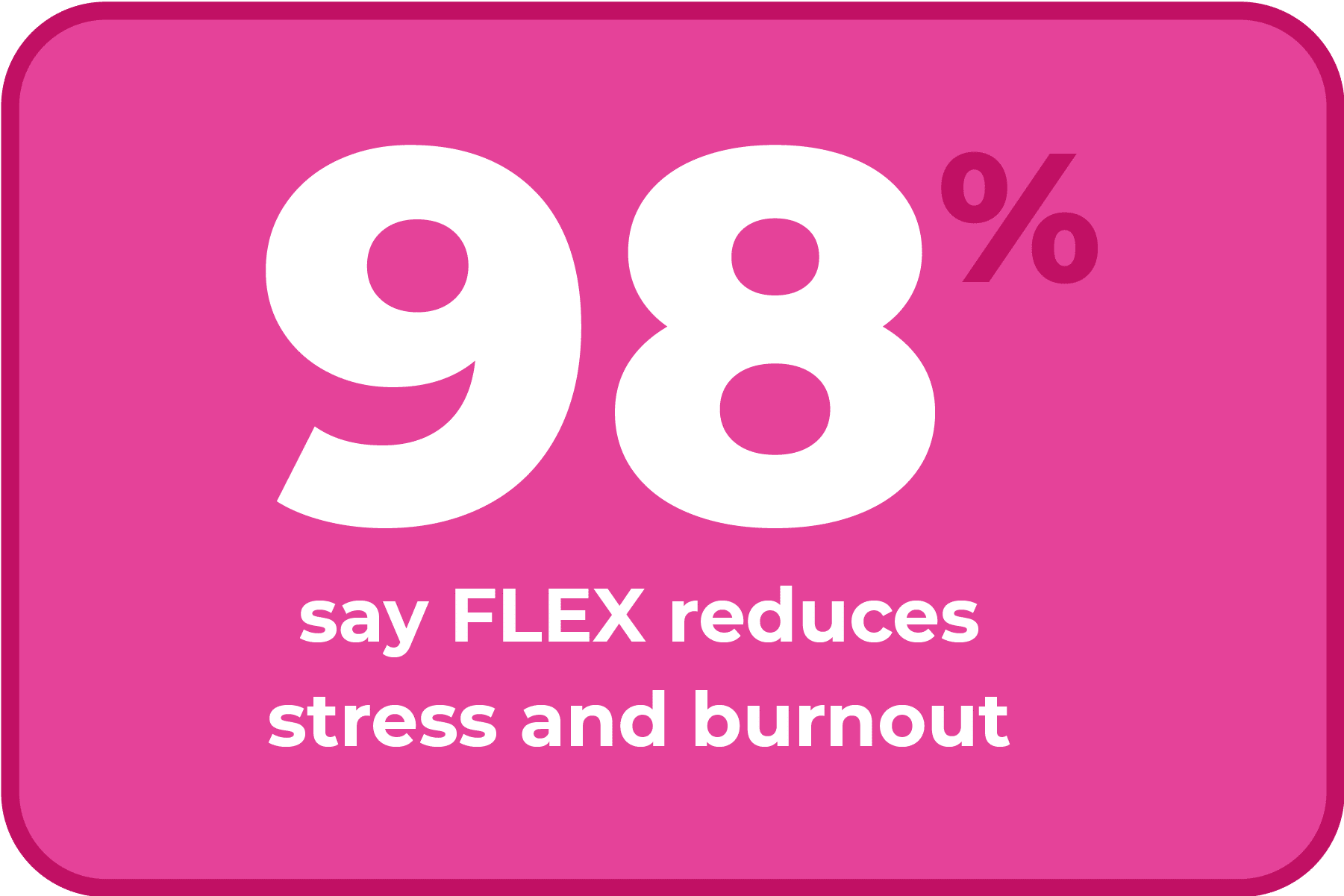
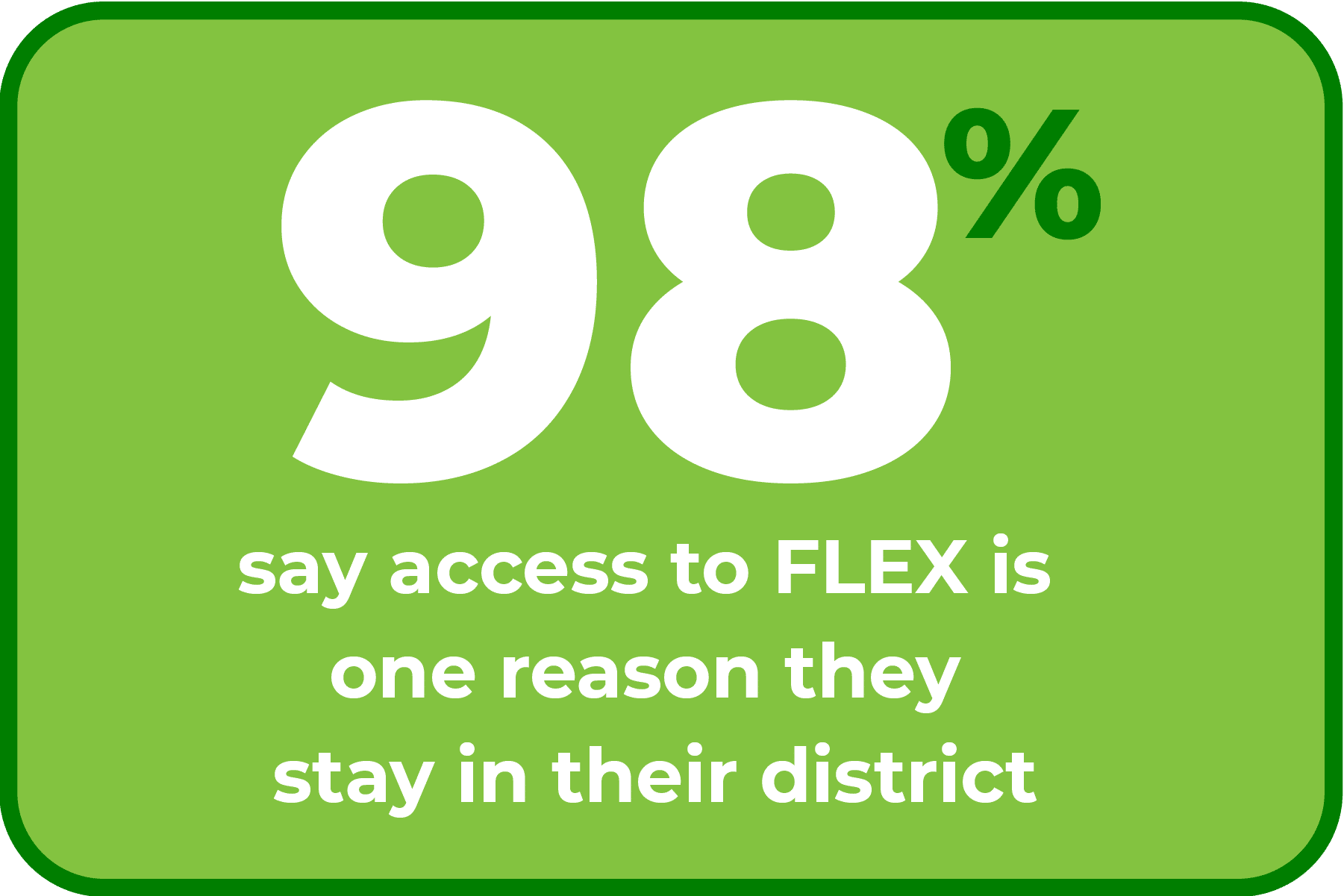
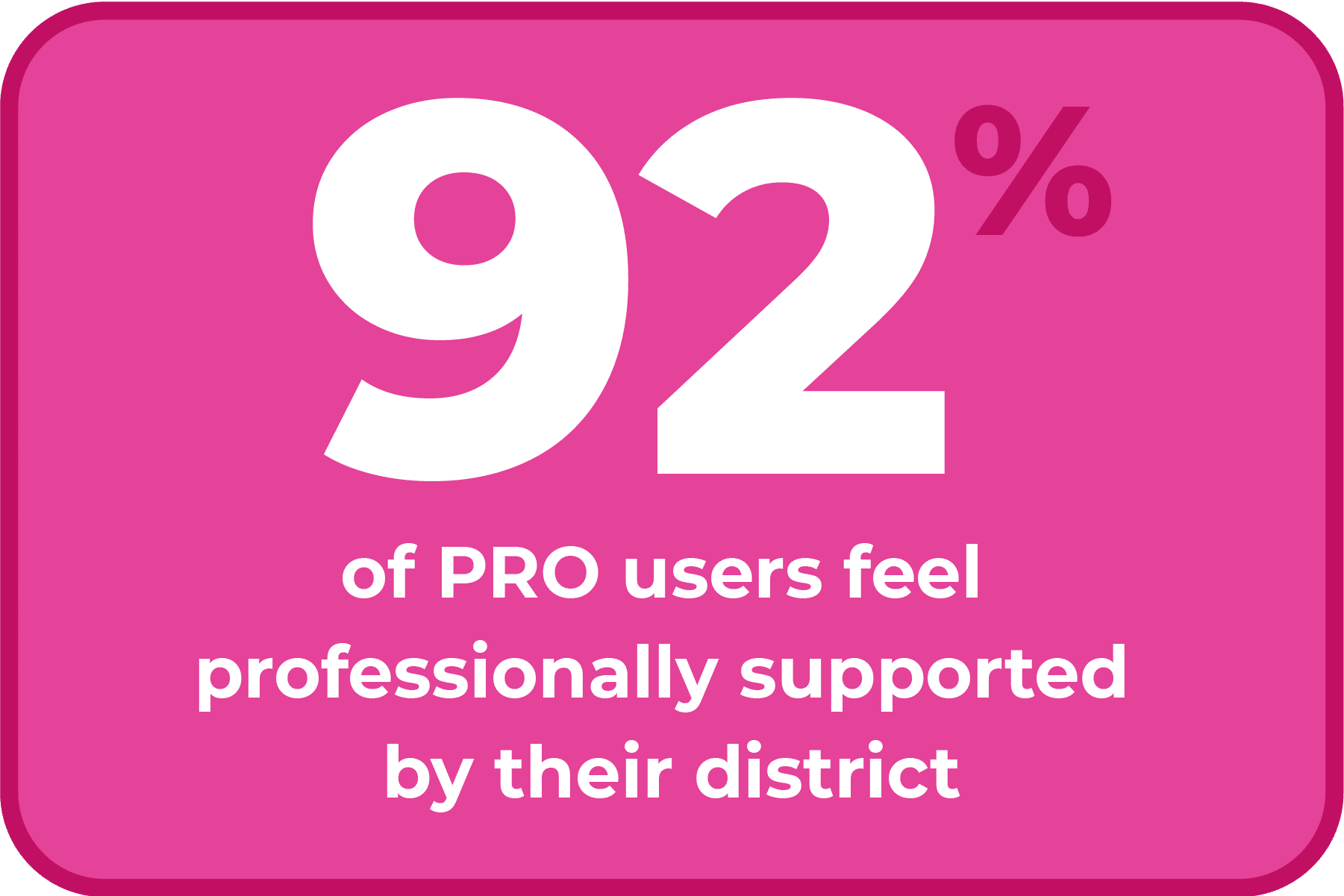
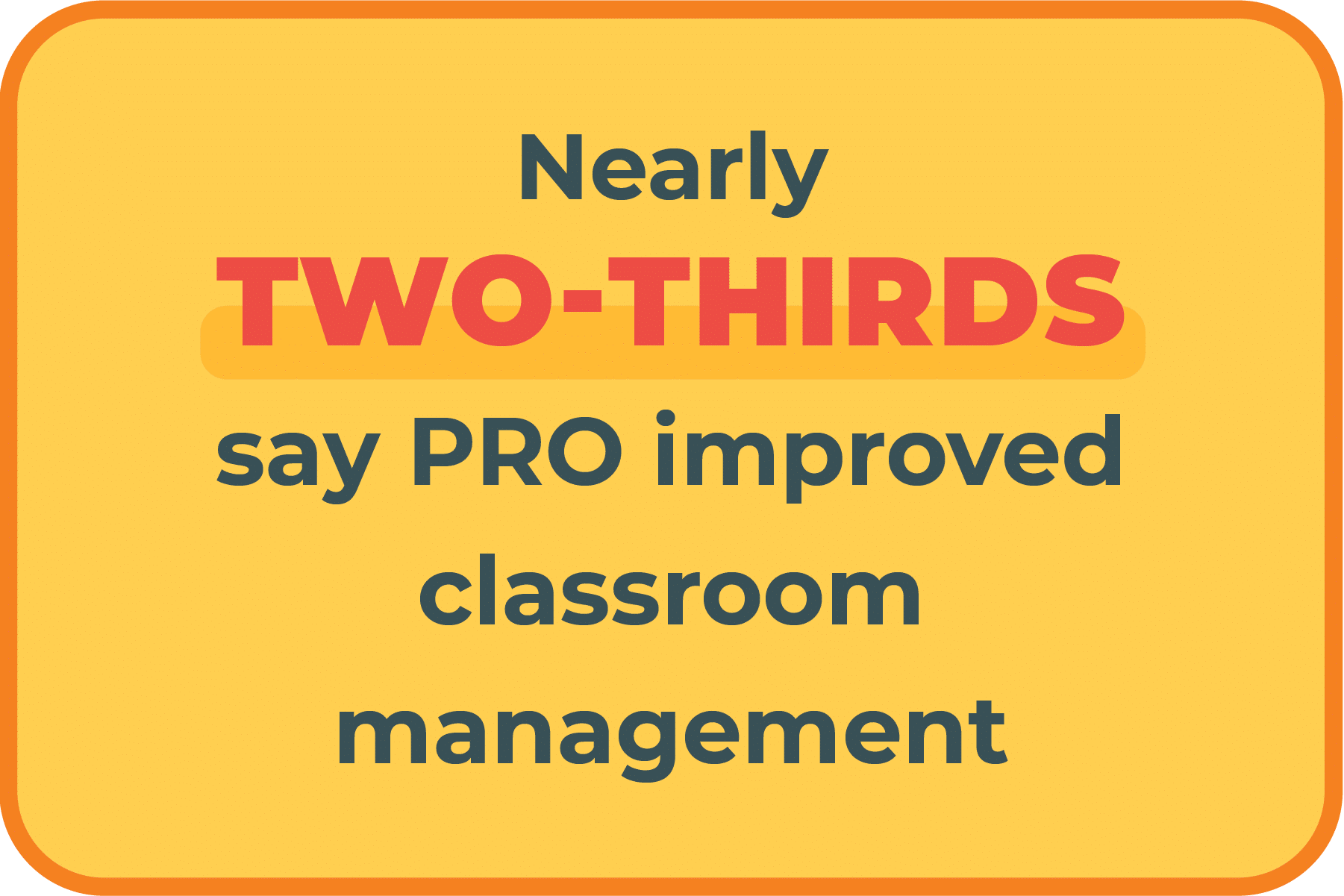
Survey data from FLEX and PRO users highlights how instructional support impacts teacher well-being and retention:

Together, curriculum and subject-specific professional learning form a foundation that supports both teaching quality and retention.

  • Subject-specific professional learning for art educators
  • Tools leaders can use to onboard, support, and retain teachers
  • Systems that reduce planning overload and isolation
  • A shared, standards-aligned instructional backbone

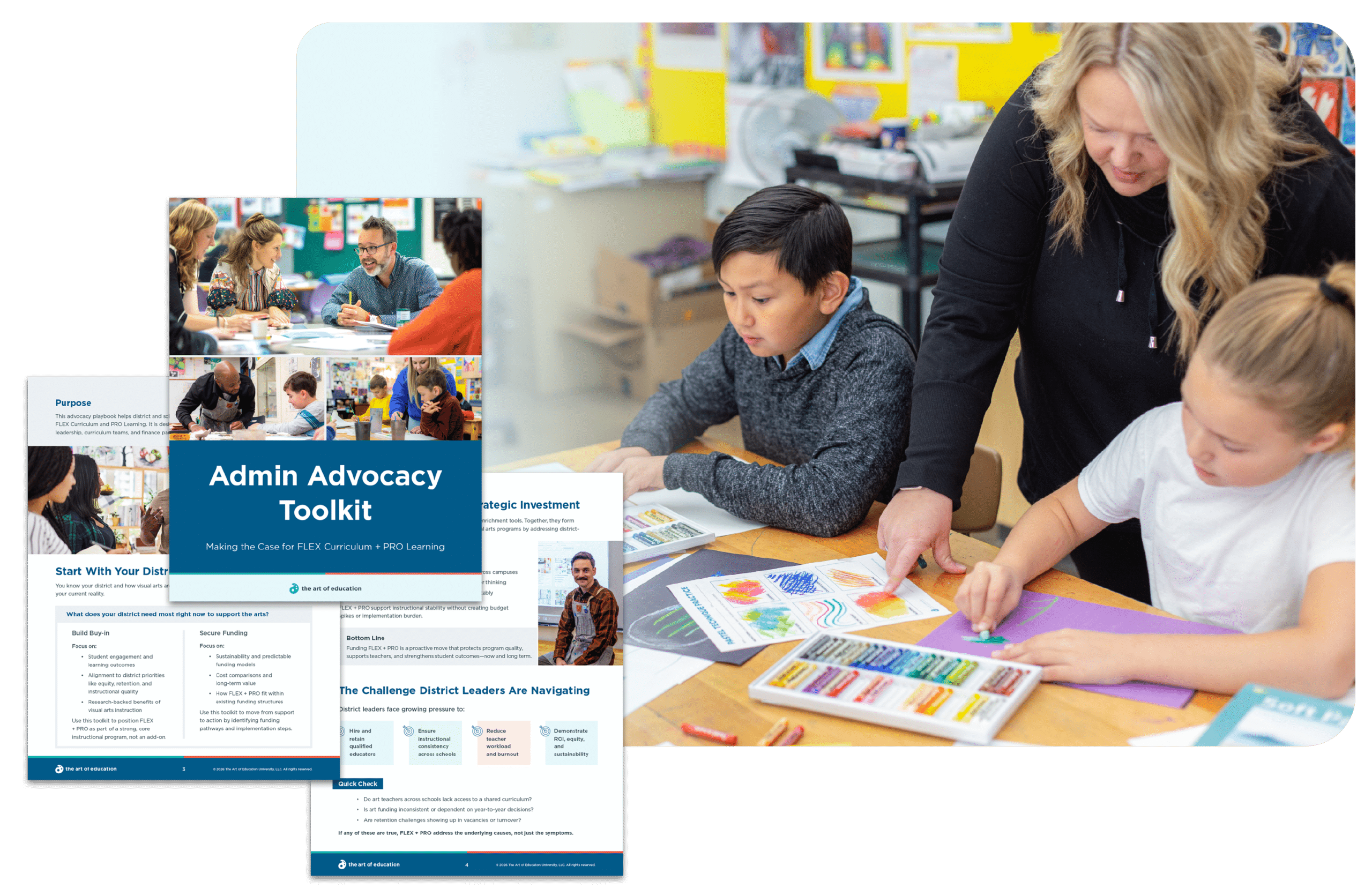
To support administrators as they build internal alignment and advocate for funding, we’ve created an Advocacy Toolkit designed for conversations with district leadership, finance teams, and school boards.

The toolkit includes:

  • Key findings from the CAAE FLEX classroom study
  • Highlights from national FLEX and PRO user survey data
  • Positioning points and talking points for leadership and board-level discussions

Download the Advocacy Toolkit for guidance on how to advocate for FLEX and PRO within your district.