
What are we doing? When is this due? Do we have to do this today? If these questions sound all too familiar, you’re in the right place. If you want to stop sounding like you’re on repeat all day, try some back-to-basics methods to remind and convey information to secondary students. Sometimes, all it takes is simplifying your processes to create more space for having fun and making things memorable.
Use these four simple yet intentional strategies to over-communicate with high school students.
Teenagers, though older, are still developing their executive functioning skills and benefit from consistent support. In the secondary classroom, repeating your instructions can feel like handholding. However, over-communicating your expectations can be helpful in promoting independence and autonomy! This provides them with multiple ways to receive information, allowing them to determine what works best for them. Additionally, because hormone surges can occupy valuable brain space, resulting in memory issues, your over-communication also solidifies information through numerous reminders.
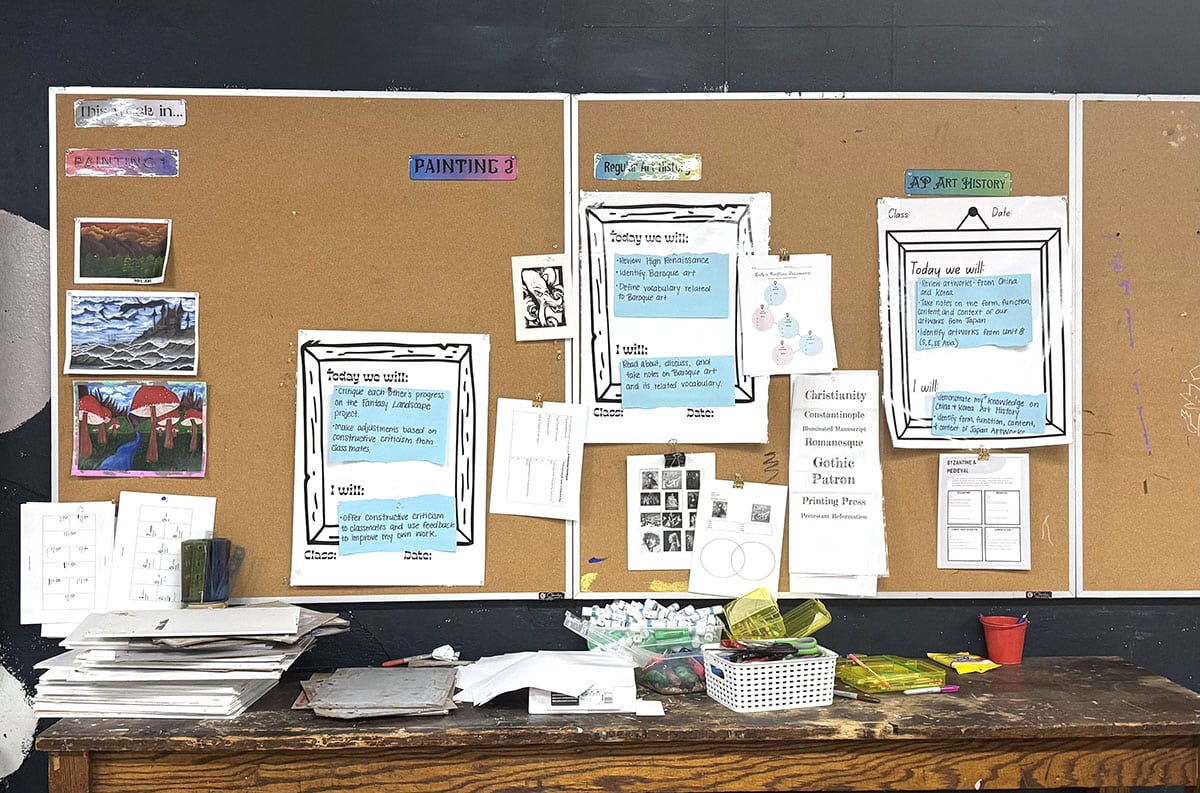
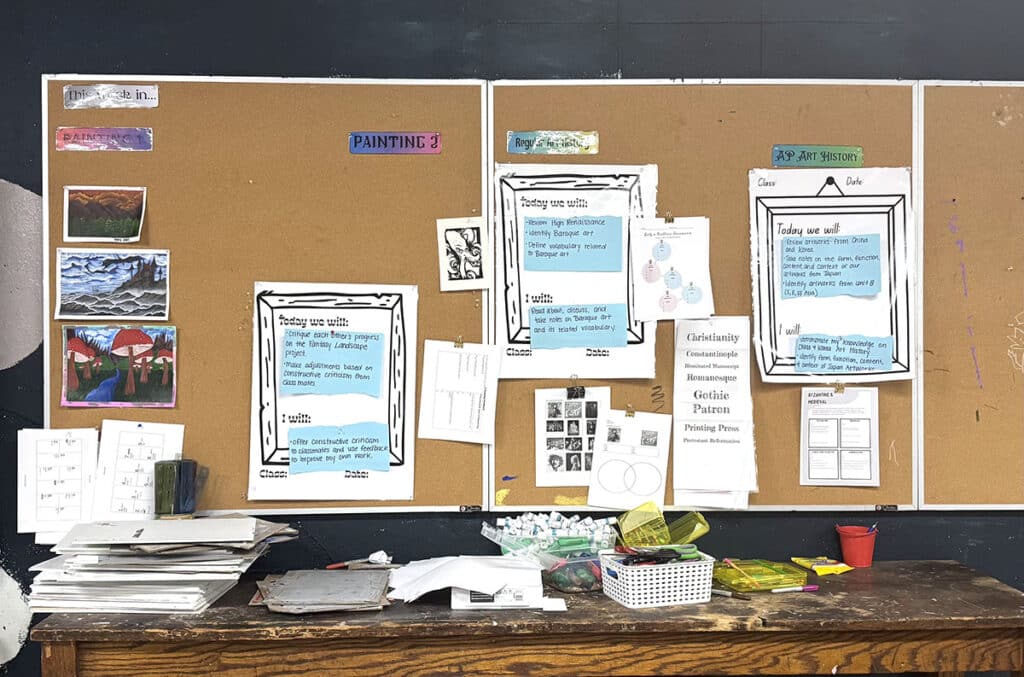
1. Create a “This week in…” Wall.
Dedicate a prominent section of wall space to a “This Week in…” Wall. Strategically select a wall that students frequently walk past and can clearly see from their seats. On this wall, display your project examples, lists of key terms, rubrics, and other relevant material. During instruction and conversation with students, reference the wall as much as possible to remind them that it’s there. The more you talk about and use this wall, the more it will become second nature for students to check it out on their own.
We all post standards and learning objectives, but this can be really abstract for teenagers to grasp. Break it down into simple, clear language and actionable steps for them. Your students’ brains are prioritizing more impulsive choices over thoughtful and logical ones. Tell them exactly what their next move should be by doing the bulk of the backwards thinking for them. This allows them to step in and put their mental energy towards risk-taking and creative choice and voice.
This can also promote your Visual Art program. Pique the interest of students who are visiting your classroom or those in foundational courses. Often, students will get excited when they see samples on the board, and they’ll ask you how they can make one, too!
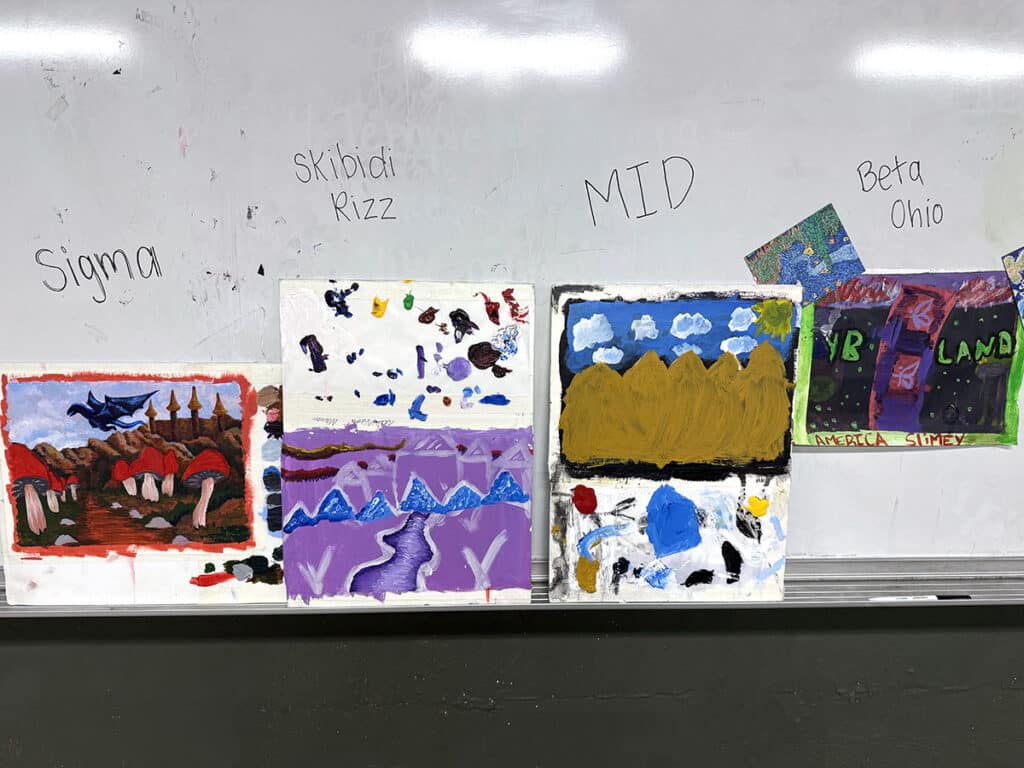
2. Use trending language.
Quickly capture student attention with trending terms and slang. These phrases are sure to make your instructions fun and memorable! While the lingo will shift with each season or generation, the principle remains the same: using the language your students uses helps them feel seen and comfortable. Along the same lines, add fun memes and emojis to your slides and rubrics. Not only does it add a visual literacy component, but it also adds humor, all while clarifying expectations. Check out the video below to see implementation ideas in action!
Here are two quick tips to stay up-to-date:
- Ask students!
If you hear giggles or certain terms used over and over, simply ask a few students what they mean. Most students will feel honored that you asked them (even if they roll their eyes). - Ask other teachers.
Jot down any phrases you hear and ask your art teacher bestie, or drop it in a supportive group, like The Art of Ed Community.
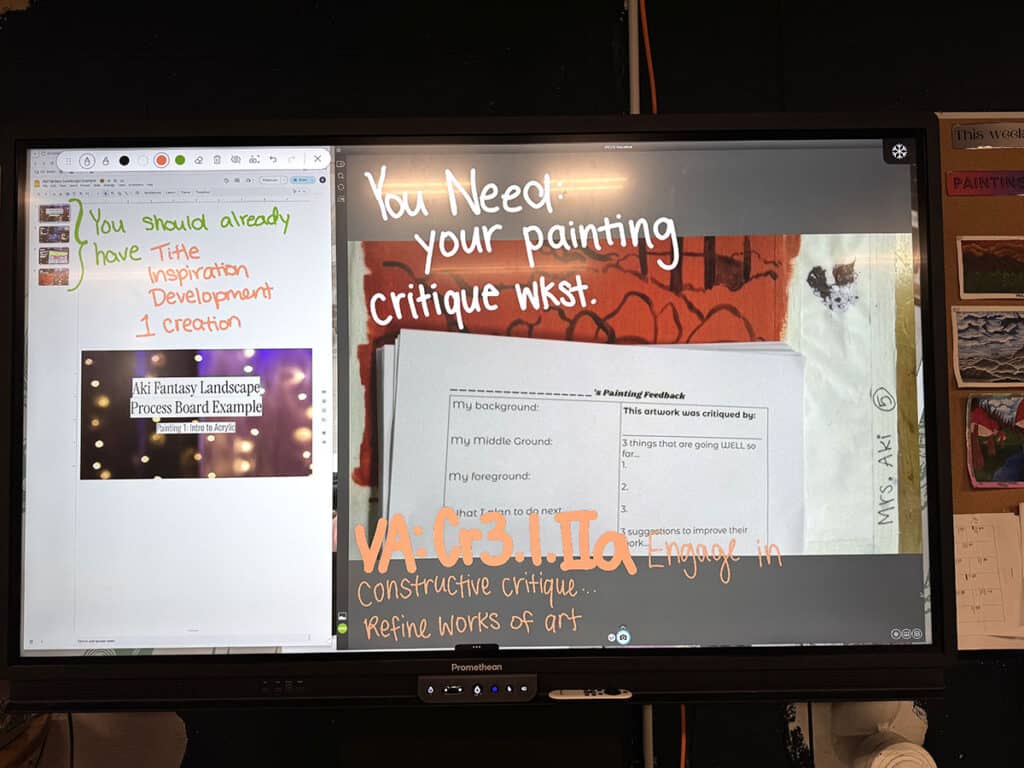
3. Write reminders on the board.
Work smarter, not harder. Don’t overlook the classic instructional method of writing on the board. It doesn’t need to be anything fancy, just a vehicle of information. Ensure it is easy to read, students can clearly see it, and it contains all of the pertinent information. If you have an interactive whiteboard, take a screenshot and post it, so you don’t have to worry about a student erasing the information or drawing over it.
The days of carrying an agenda book are long gone, and the notifications of digital calendars can be too much screen noise. Start and end each class period by reiterating due dates. As a special role, enlist students to write and announce the information on your behalf. This makes them feel special, gets the details out for the rest of the class, and reinforces the data when they have to write or speak it themselves.
4. Encourage them to Phone a Friend.
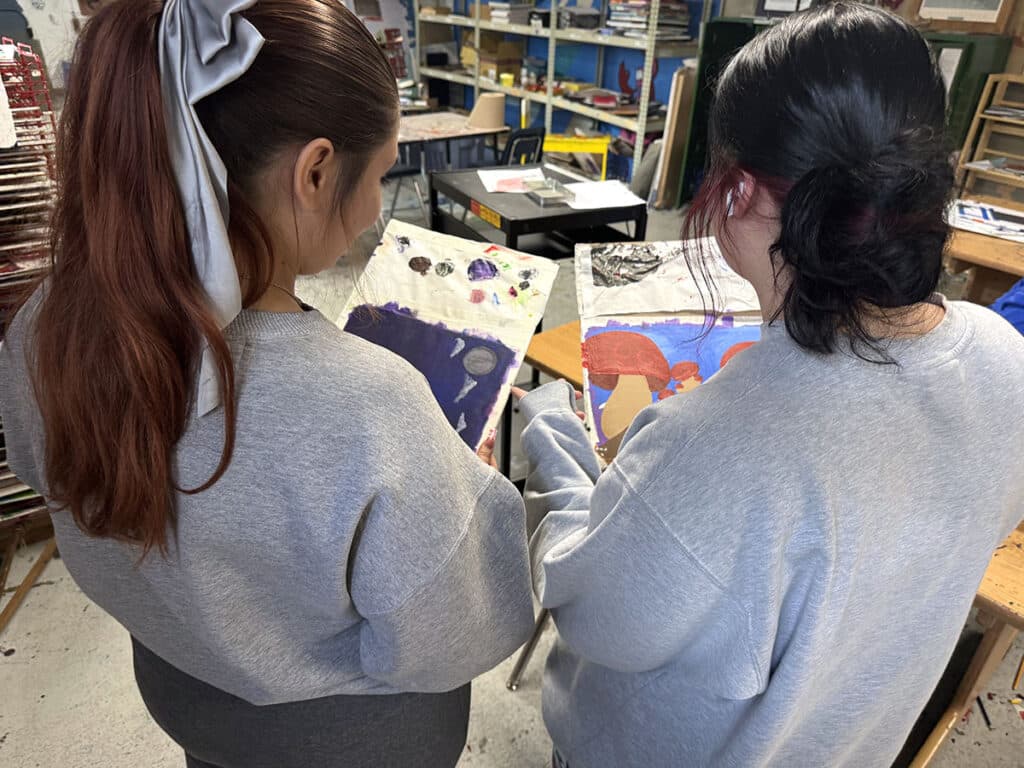
No matter how many reminders you give or post, there will inevitably be students who still ask, “Wait… What are we doing?” Empower them to figure out the answer on their own by consistently asking them to Phone a Friend at their table. You can even have a sign on your desk that you simply point to when they approach you.
Often, asking a peer for help can feel taboo. By implementing this as a teacher-imposed system, you are giving students permission to talk to each other and overcome any awkwardness. Over time, you will instill this habit in your studio culture, and students will naturally chat and collaborate.
Clear, consistent, and intentional communication sets expectations, prevents confusion, and helps students feel supported and confident in their learning. While it may seem repetitive or overly detailed at first, especially when working with teenagers, dial it back and create a designated wall space for announcements or write information on the board. This will free up space for a little humor with trending catchphrases or productive chitchat with art friends. When you over-communicate with tried-and-true “old school” methods, you’ll stand out above the digital noise and nurture those developing brains!
What is your top over-communication strategy that you use in your art class?
How do you cut down on constantly repeating yourself?
To chat about high schoolers’ listening skills with other art teachers, join us in The Art of Ed Community!
Magazine articles and podcasts are opinions of professional education contributors and do not necessarily represent the position of the Art of Education University (AOEU) or its academic offerings. Contributors use terms in the way they are most often talked about in the scope of their educational experiences.