
As the semester winds down, it’s natural to focus on finishing projects and managing materials. (Seriously, where do all the glue sticks go?) But it’s just as important to check in on your classroom environment. Research shows that the physical and emotional setup of a classroom shapes how students feel, behave, and learn—and it affects teacher wellbeing, too!
The days leading up to winter break are the perfect moments to pause and reflect: How does your art room function? What does it communicate? How does it make you feel? A simple three-part check-up: physical, visual, and emotional, can reveal small updates that will make a big difference. With a few intentional shifts now, you can walk into January with a room that you look forward to coming back to, and everyone is happy to create in.
Come back from break excited to teach with this easy three-part art room check-up: physical, visual, and emotional.
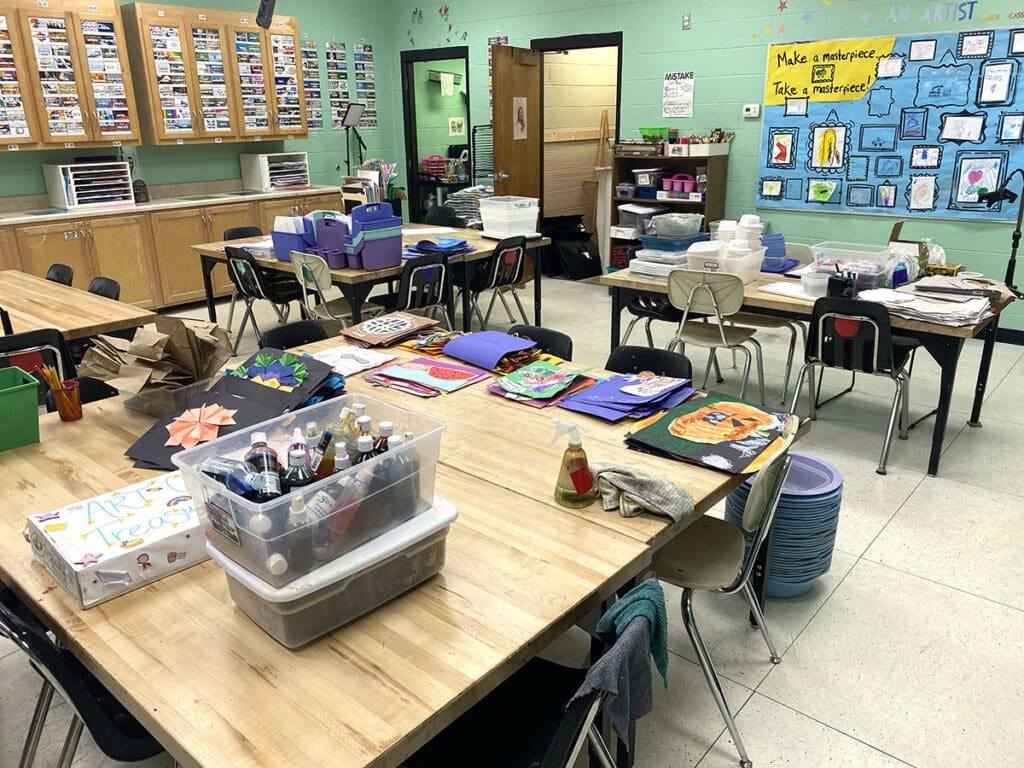
Physical Space
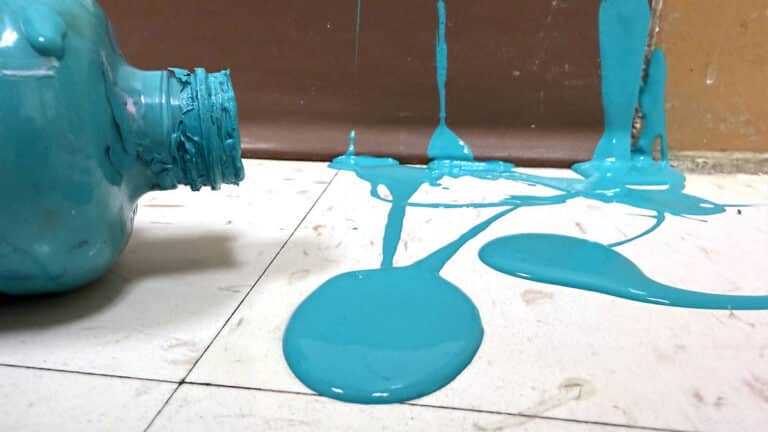
Do you have a cabinet door that doesn’t quite close? Or perhaps you have paper storage that’s more like a paper pile? Is there an area of your room that creates a bottleneck? Do the scraping, squeaking chair legs drive you crazy every class? After a semester, we become used to certain inconveniences. Now is the time to take notice of those bumps in your day because research suggests your physical environment affects morale and learning.
Run through this quick observational checklist:
- Walk around your space with your “visitor lens” on or ask a colleague to tour your room and provide their honest opinion.
- Note any safety and accessibility concerns.
- Examine high-traffic areas for functionality and flow, including pathways, supply areas, and sink zones.
- Pay attention to the furniture arrangement and how it influences your circulation and teaching style.
- Reflect on how comfortable the lighting and temperature make you feel.
Action Step:
Designate a 30-minute sprint before break to clear one cluttered zone, relabel a storage area, adjust lighting, or reconfigure desks into a flexible arrangement.
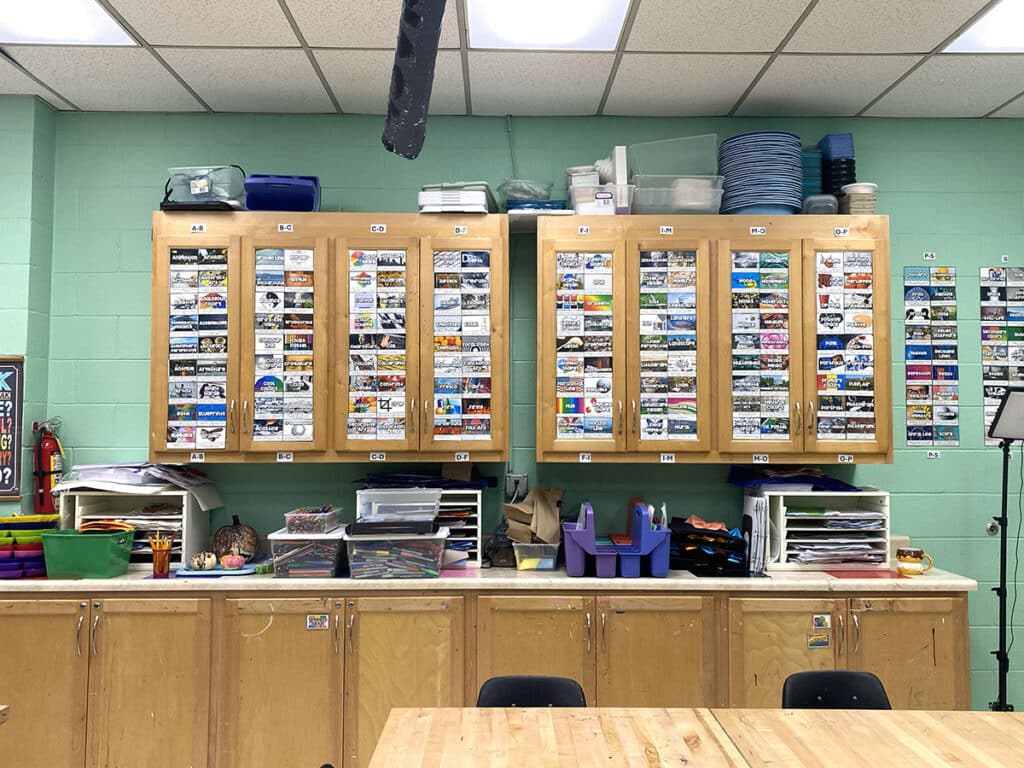
Visual Environment
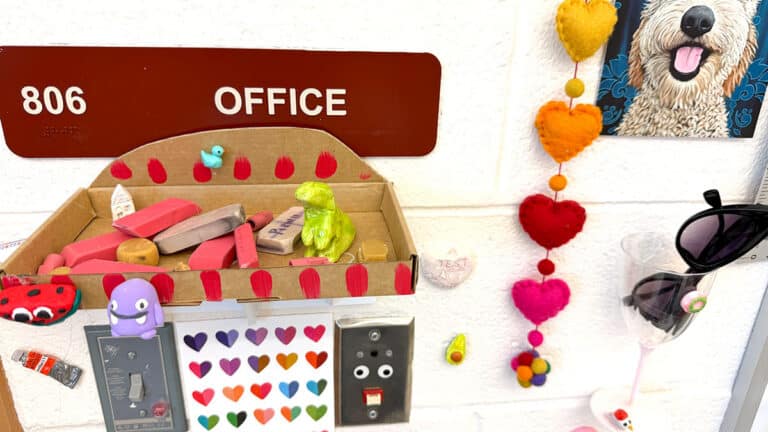
As visual art teachers, we know appearance does matter! But bulletin boards and posters can be so much more than just pretty displays. Board space can be a powerful place to advocate for your program and provide inspiration, information, and reminders for your students. However, during the hectic school year, it can be challenging to maintain them.
Take a moment to visualize your ideal classroom displays:
- Student Work
If you still have fall leaves or pumpkins displayed in December, consider allowing trusted students or early finishers to rotate the art. Add recently completed works that students are proud of or post past examples to get students excited about what they’ll make in January. - Visual Aids
Are students referencing your posters, prints, word walls, and visual aids, or have they become wallpaper? Think about how you can spruce up your visuals, such as adding an interactive element to pique students’ curiosity!
- Boards
Do you have whiteboards, smartboards, or bulletin boards with anchor charts? Is the information current or from two units ago? Get ahead of the game and prepare your materials for the first week of January so they’re ready to copy or pop up on the board when you return. - Visual Noise
There’s nothing wrong with a good rainbow art room, but sometimes streamlining your decor can positively impact student engagement. Instead of finding things to add to your room, you may improve your space by taking things out.
Action Step:
Take a photo of your visuals now as a “before.” File the photos in folders by unit or month so you can easily reference the information again in the future. Keep this habit up every week, and you won’t have to reinvent the wheel next year! Then, spend 20 minutes cleaning up visual clutter. Swap out posters and objectives or toss or donate extra decor.
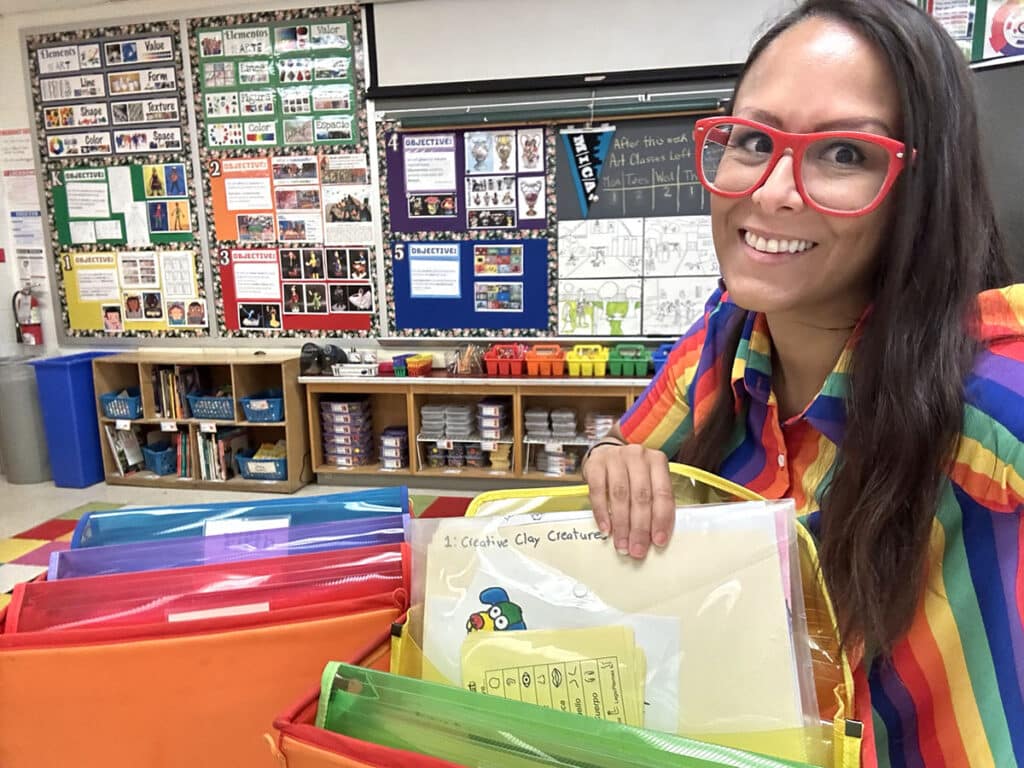
Emotional Climate
Let’s talk about our feelings—well, kind of! Ultimately, the art room should be a space where everyone is relaxed and happy to be. Pause, breathe, and assess the emotional climate of your room. This can be a bit tricky to figure out, so you may want to curate a short activity to collect data. Make it a quick bellringer or exit ticket for students to share what the art room feels like to them.
Consider questions like:
- How would you describe this art room?
- What would make this room more comfortable for you?
- Is this classroom a place you want to be? Why or why not?
- How does this art room reflect [insert your name here]’s personality?
Action Step:
It only takes 30 minutes to implement one change from your students’ feedback. It can be as simple as dimming the lights and playing a relaxing playlist from The Art of Ed Community during studio time.
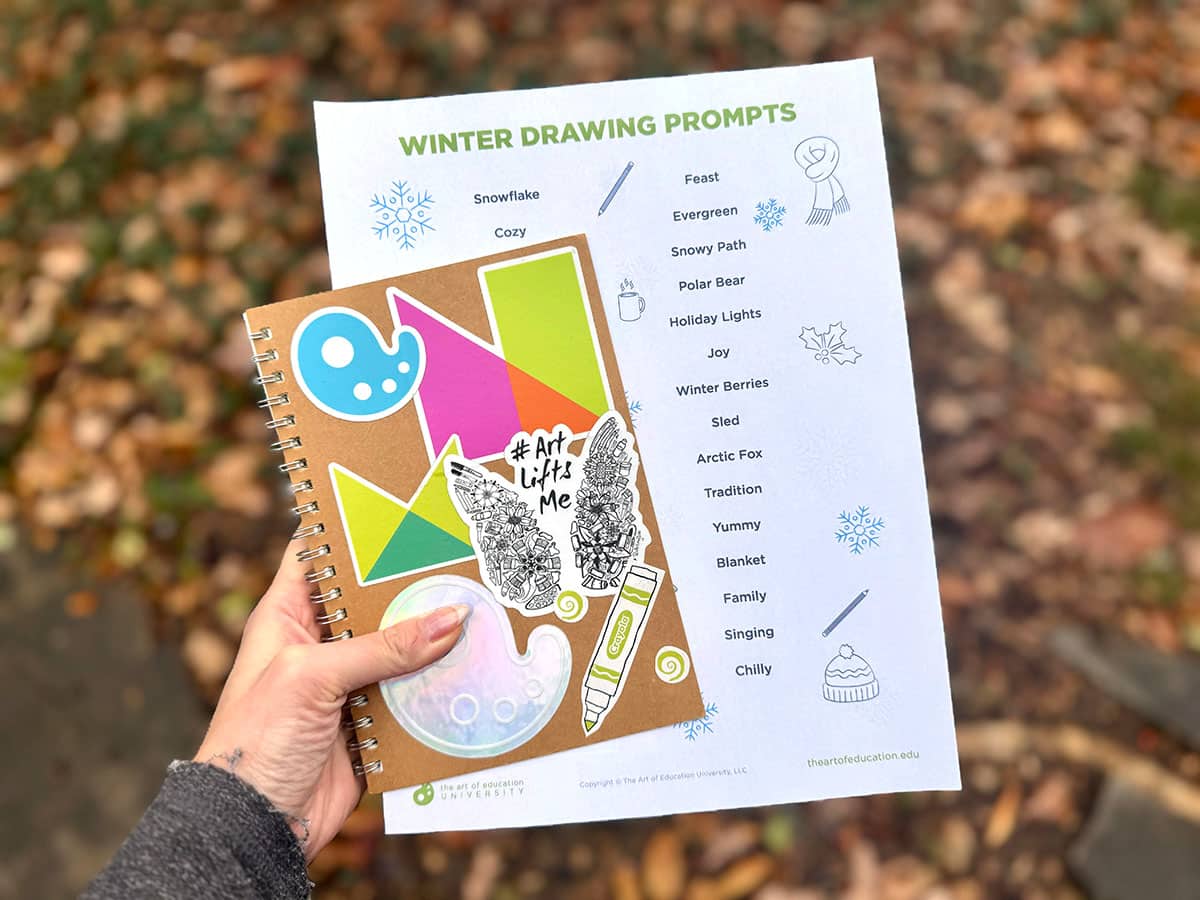
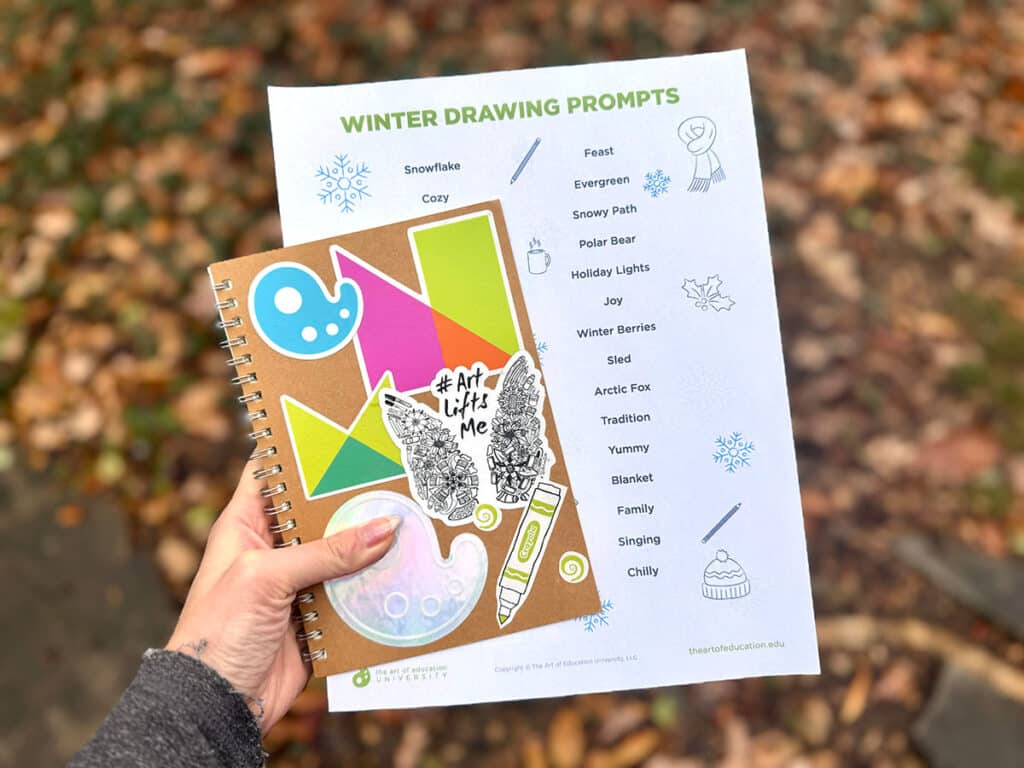
Then, plan a simple “soft start” for when everyone returns after the break, such as sketchbook time using downloadable Winter Drawing Prompts. You’ll avoid the “what are we doing” scramble the last night of break, and your students will be able to ease back into your routines.
Starting the new year in your best room ever doesn’t have to require a complete overhaul or tons of work. Refresh your art room with three 30-minute sprints between now and winter break. Take a pause after the chaos of the semester and conduct a quick check-up: physical, visual, and emotional. Do three intentional small tasks that will set you and your students up for a successful start in January when you return. Come back with renewed energy and a clearer mind, ready to create and teach!
What are your biggest art room wishes for the New Year?
Describe the energy of your room in one word.
To chat about shutting down your art room before winter break with other art teachers, join us in The Art of Ed Community!
Magazine articles and podcasts are opinions of professional education contributors and do not necessarily represent the position of the Art of Education University (AOEU) or its academic offerings. Contributors use terms in the way they are most often talked about in the scope of their educational experiences.