
Being an art teacher can be exhausting. Managing the supplies, the mess, the questions, rotating art in the showcase, in addition to teaching, can be a bit overwhelming. One way to combat this fatigue is by purposefully building moments of humor into your curriculum. There’s nothing like a good laugh to remind you why you love your job, fuel your purpose, and propel your students to connect and create.
Save these four hilarious whiteboard activities to build community and creativity.
Whiteboard games are a quick way to connect with students and show them that it’s okay to laugh and have fun while creating. Switching from paper and pencil to whiteboards and dry-erase markers instantly provides the magic you need to boost moods and creative energy. It’s also a nice brain break during a long class period or unit, an icebreaker following an extended weekend or break, or an early finisher activity as the class wraps up and cleans up.
Whiteboards are the perfect art room tool because you can:
- See different solutions to the same prompt
- Boost creative thinking
- Build class community
- Incorporate meaningful art activities
- Assess students formatively
If you don’t have a whiteboard, did you know that you can DIY your own? Use any flat surface, such as a chalkboard or piece of donated scrap wood mounted to the wall, and cover it with inexpensive whiteboard contact paper. Likewise, you can grab a cheap white panel board from the hardware store and mount it to a wall.
Stretch your budget with these individual whiteboard ideas:
- Use the same wall panel board above and cut it into individual sizes.
- Snag dollar-store, thrifted, or donated picture frames, and insert white paper behind the glass.
- Repurpose clear plastic sleeves with white copy paper inside.
- Laminate white paper and cut it down into smaller sizes.
- Draw right on white or colored plastic clipboards.
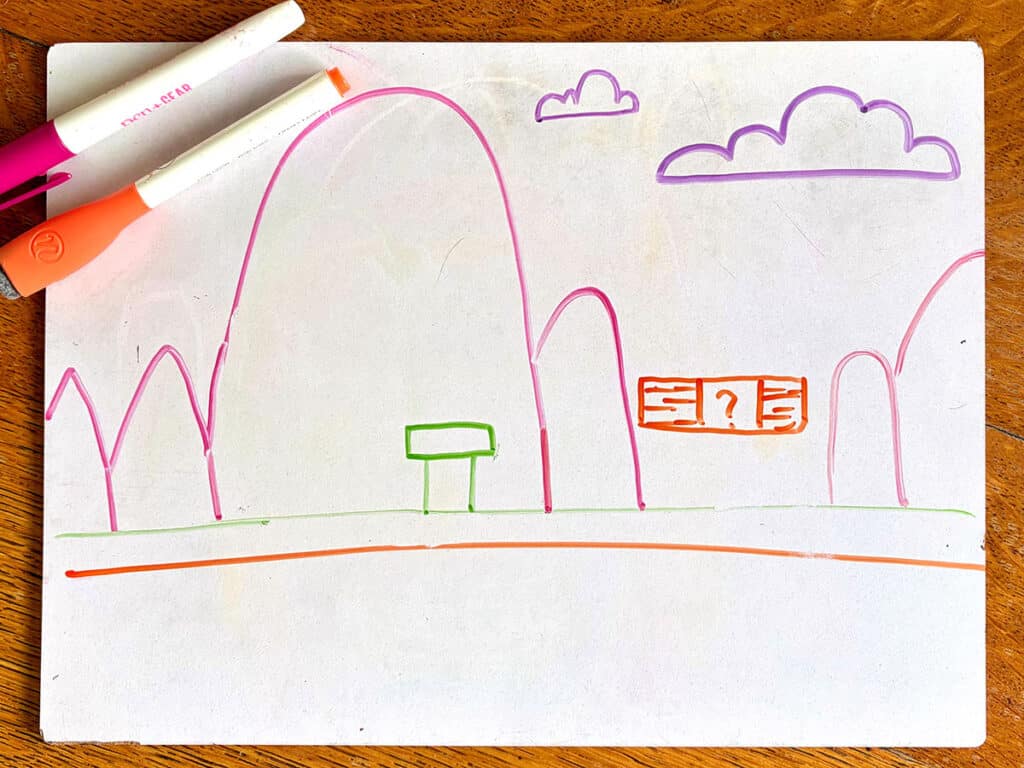
1. Finish the Picture
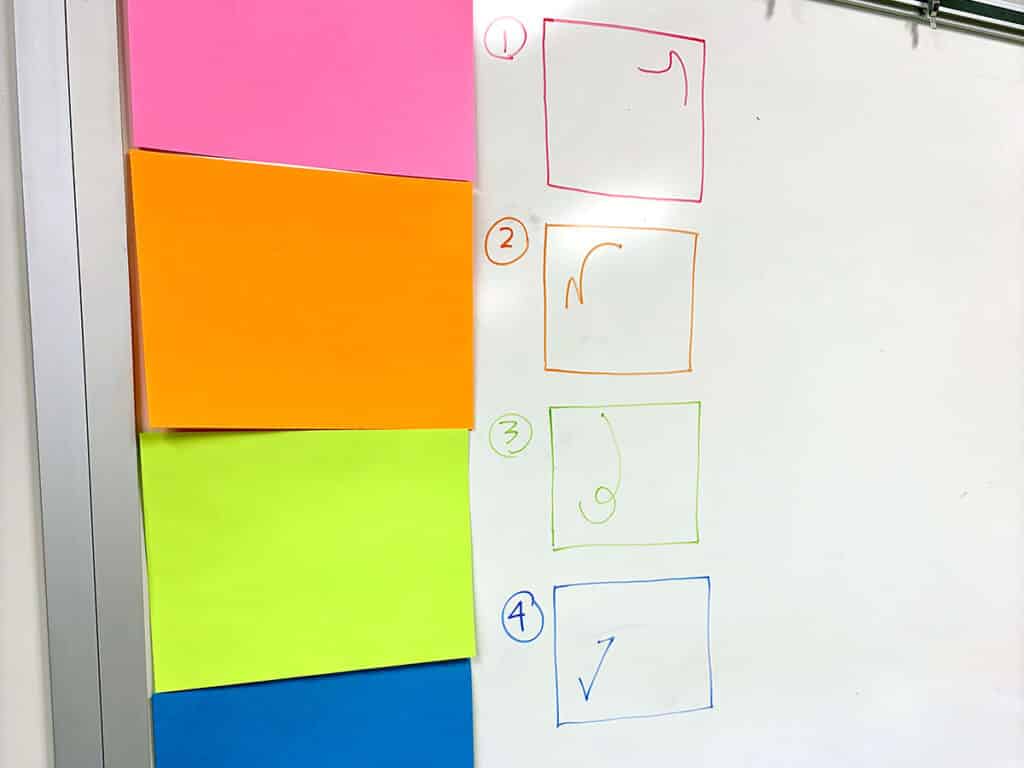
Finish the Picture is a favorite drawing activity for all ages. It prompts students to use their imaginations as they incorporate a “random” line into a finished image. Bring this concept from paper to whiteboard to foster camaraderie and magnify inspiration! You can also download Finish the Picture prompts, insert them into clear plastic sleeves, and draw on them with thin dry-erase markers.
How to Play:
- Draw a line fragment on the board.
- Encourage students to turn it into a drawing from their imagination.
- Announce a 10-second warning and say, “Board’s up!”
- Give students space and time to get comfortable sharing their drawings with the class.
- Praise and appreciate students verbally for sharing!
2. Metamorph It
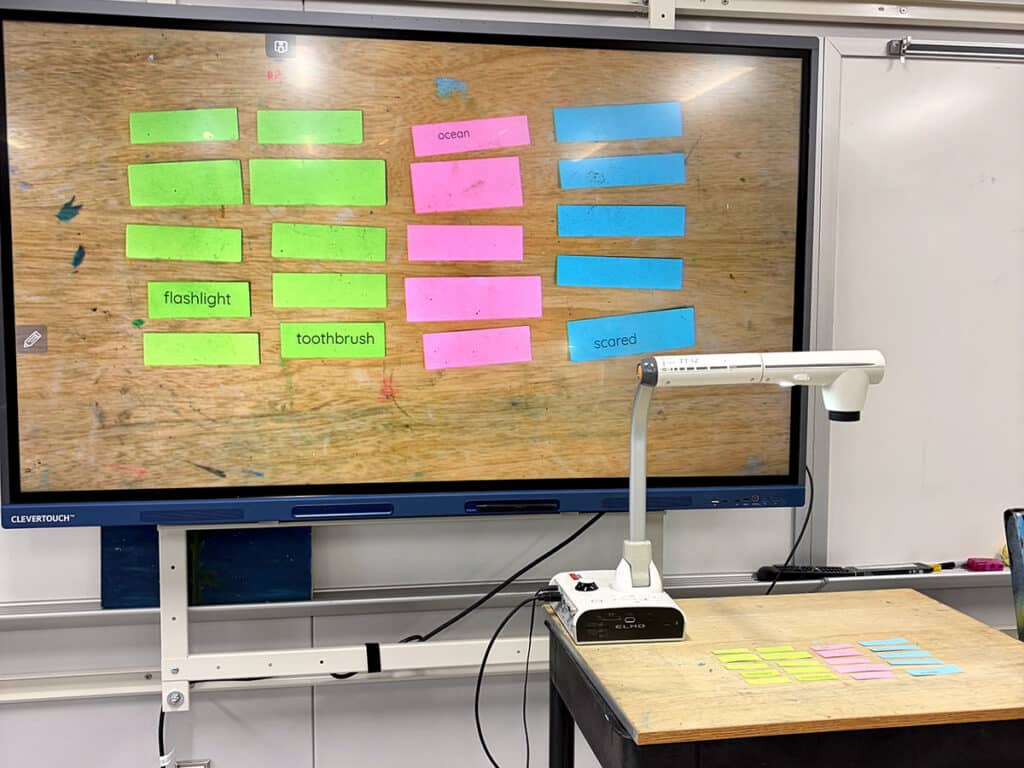
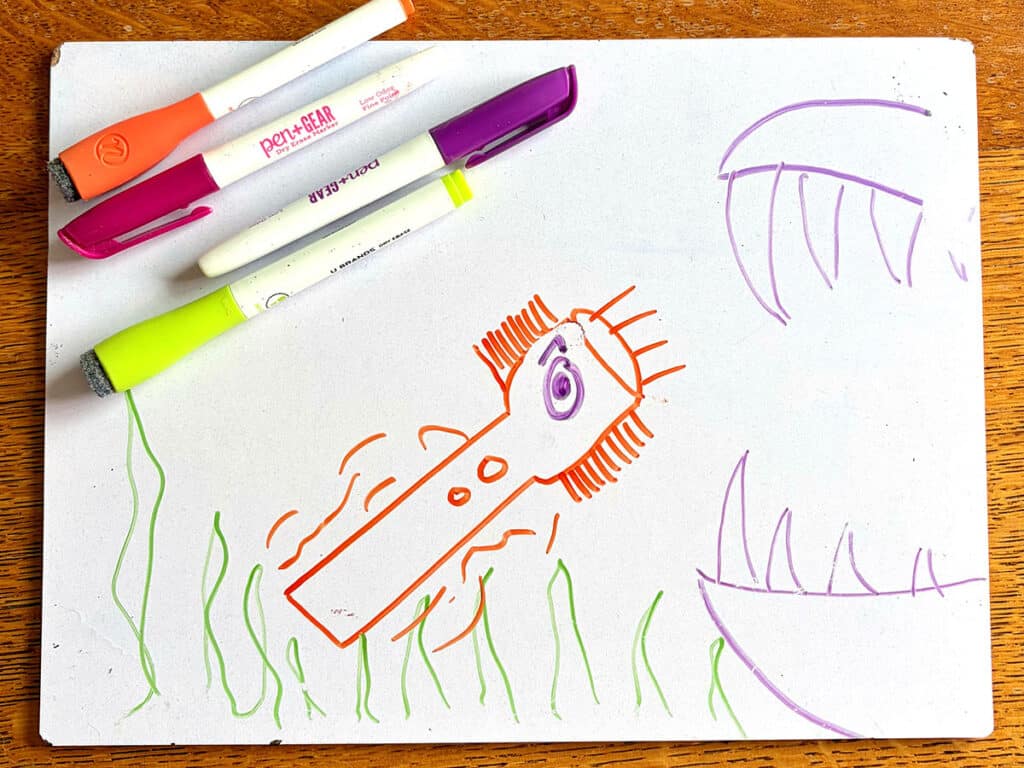
One Surrealist technique is to juxtapose unrelated objects together, sometimes merging them in a unique metamorphosis. Without fail, the final results fascinate students! Plus, the process encourages students to think critically about how their pairings will merge. When presenting their final drawings, ask them to include a story—the wilder, the better!
How to Play:
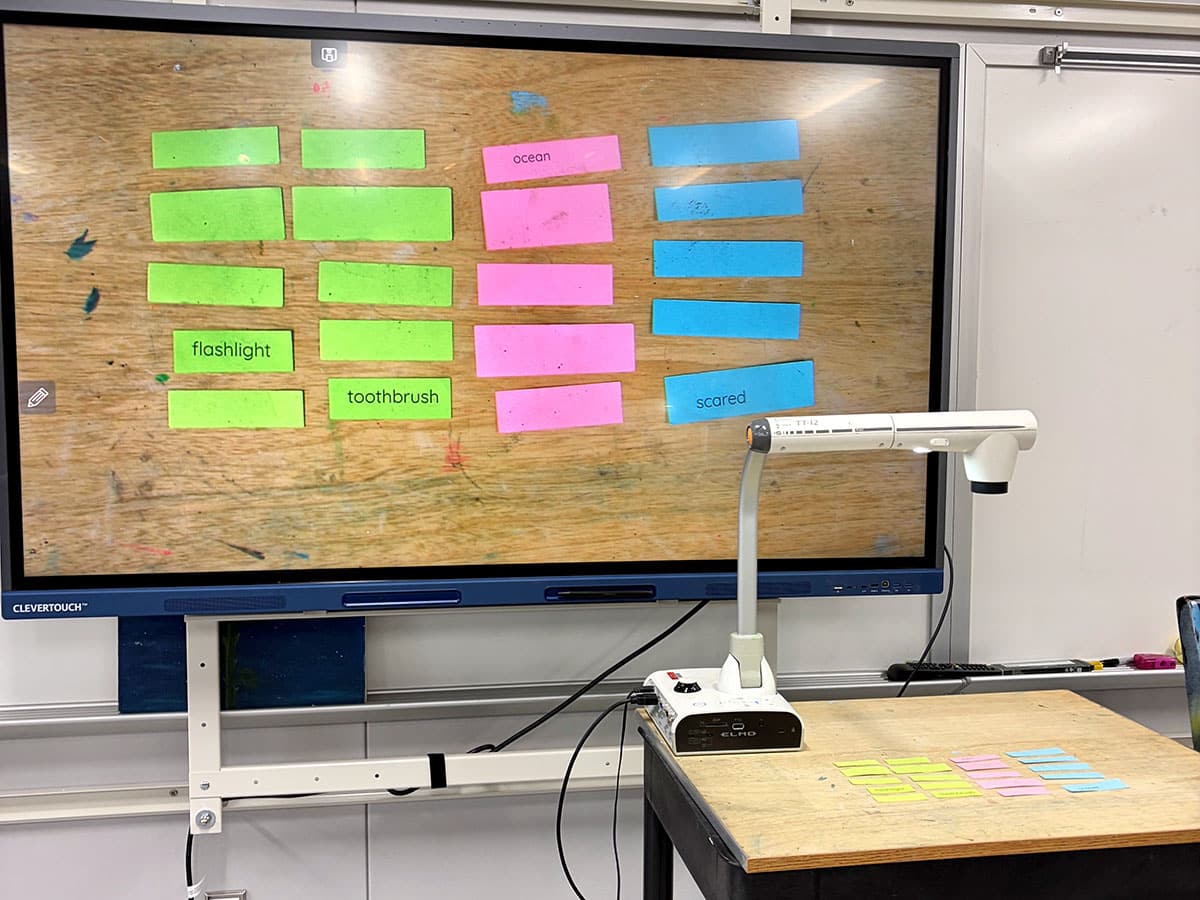
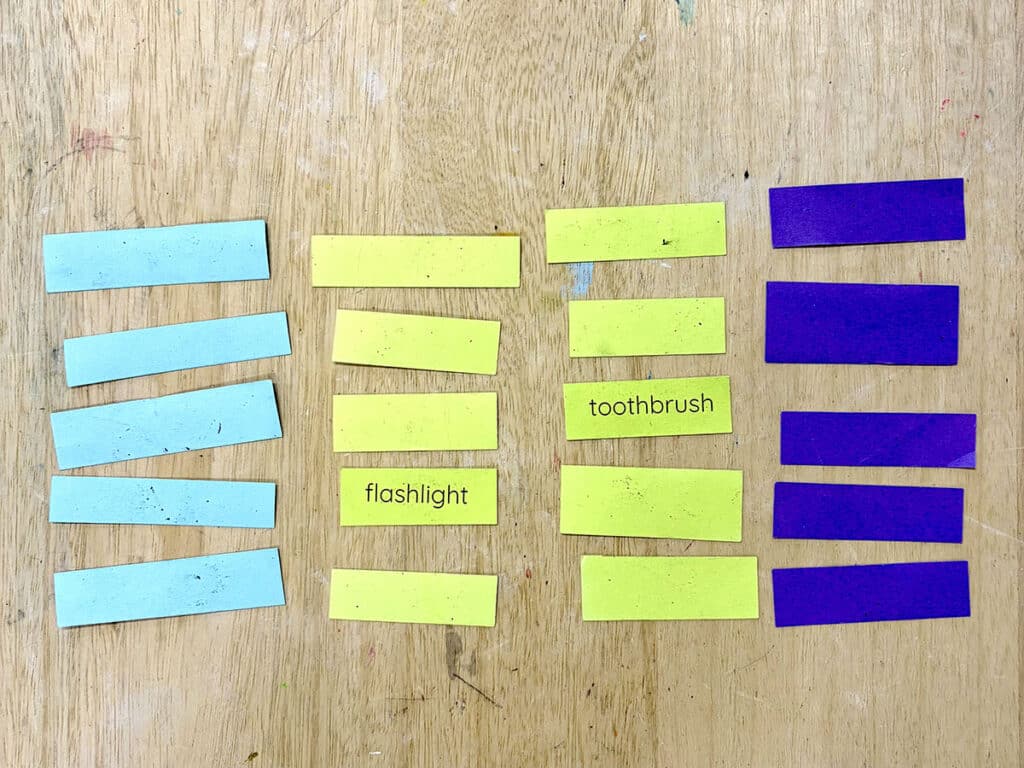
- Prepare cards with object words and place them upside down.
- Turn over two cards for students to merge into one drawing.
- Add in emotion or location wildcards to reveal and incorporate mid-drawing.
- Compose stories that capture the drawings.
- Relieve pressure by making this a collaborative exercise with a partner!
3. Last Person Standing
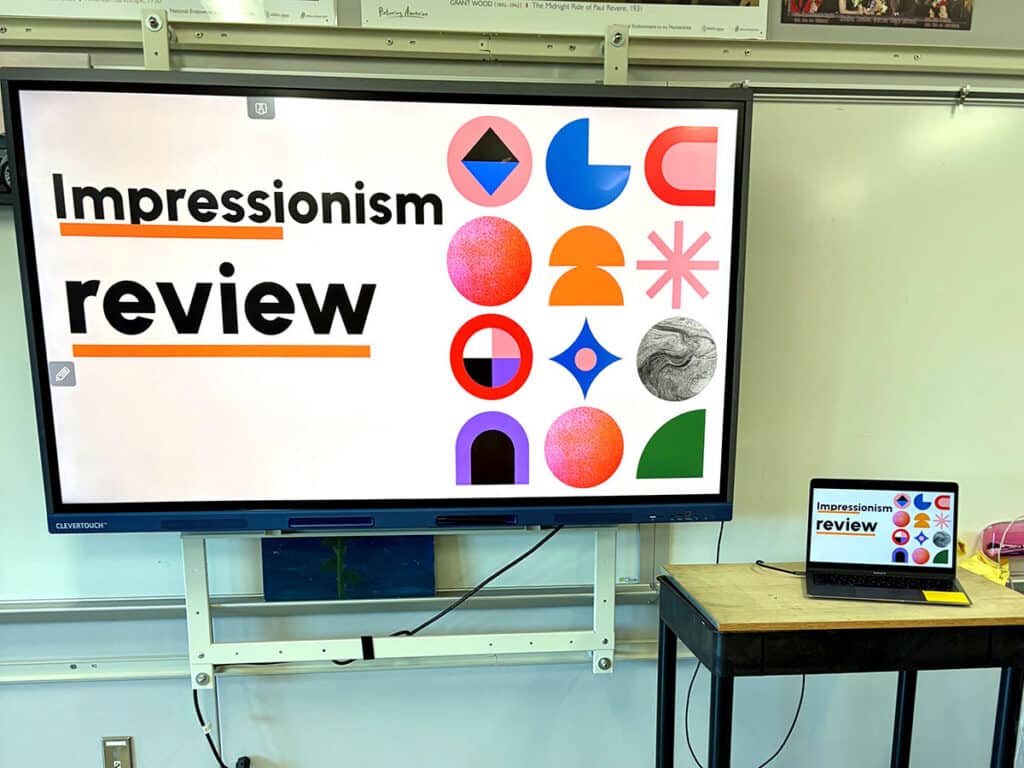
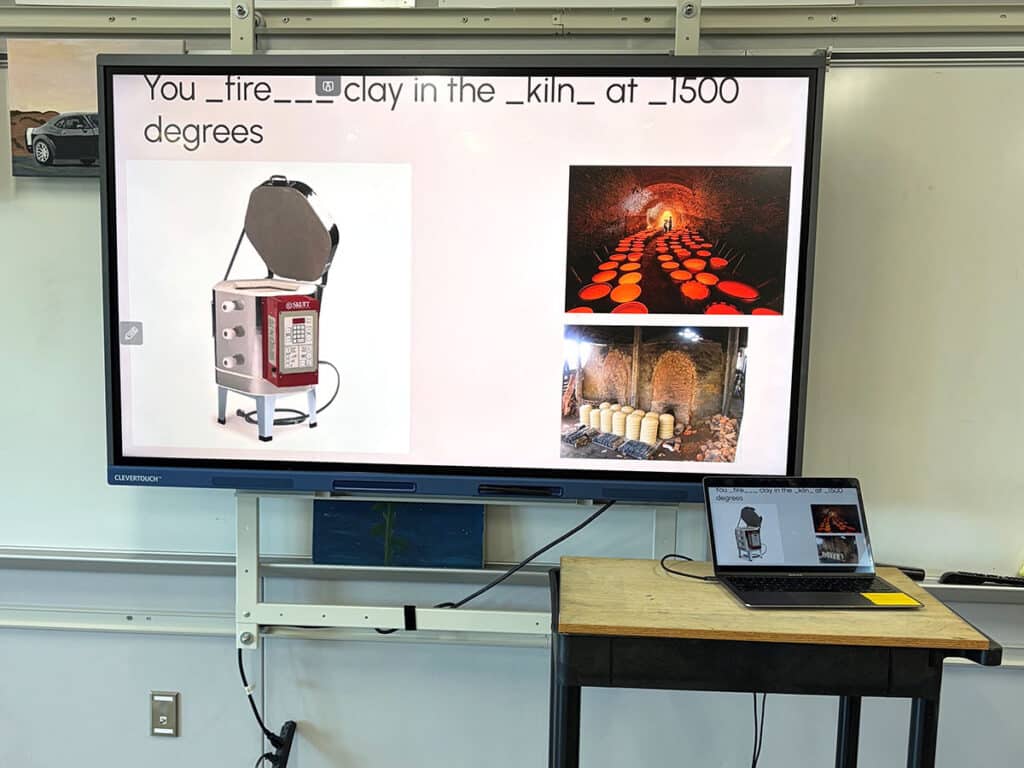
Instead of a traditional written quiz, try a formative assessment game instead. Compose your questions and put one per slide, gradually making each question more challenging. Questions can be about the Elements of Art or Principles of Design, vocabulary, art history, tools, or processes. Students will take a seat when they’re “out,” and students will remain standing if they get the answer correct. If students are nervous, have them stand in a line, shoulder-to-shoulder. This removes pressure as students can’t see each other and others’ boards.
How to Play:
- Prepare a slideshow with your questions (starting easy and progressing to more difficult) and project it on a screen.
- Distribute whiteboards and markers to each standing student.
- Answer each question at the same time on individual boards.
- Identify incorrect answers, and have those students sit down.
- Award the winner, who should be the last person standing!
4. Two-Person Pictionary
Pictionary is a classic art game. Bring it to your students with a twist and watch engagement soar as your artists get a little rowdy! This game is best at the end of the period as a cleanup reward—even for your oldest high school students.
How to Play:
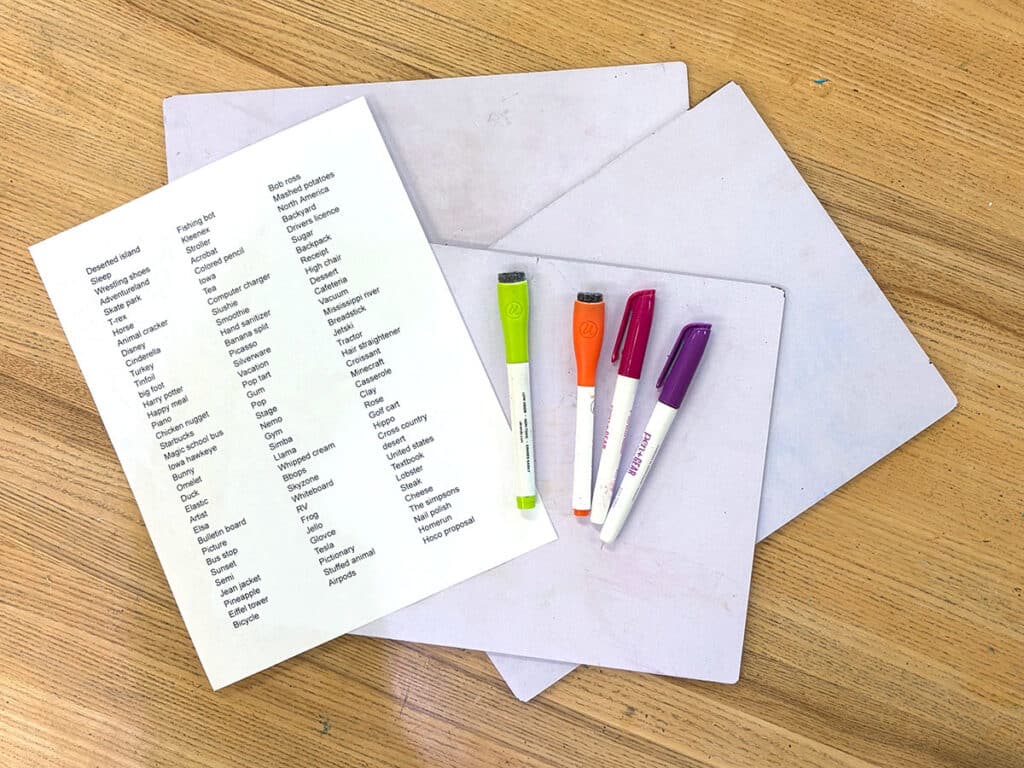
- Generate a list of words to draw.
- Divide the class into two groups.
- Assign a member from each team to track their points.
- Ask a volunteer from each group to draw the same word on opposite ends of the whiteboard.
- Announce the winner based on which side correctly guessed the word first.
- Select a student referee to manage the game, so you can wrap up loose odds and ends before the next class enters!
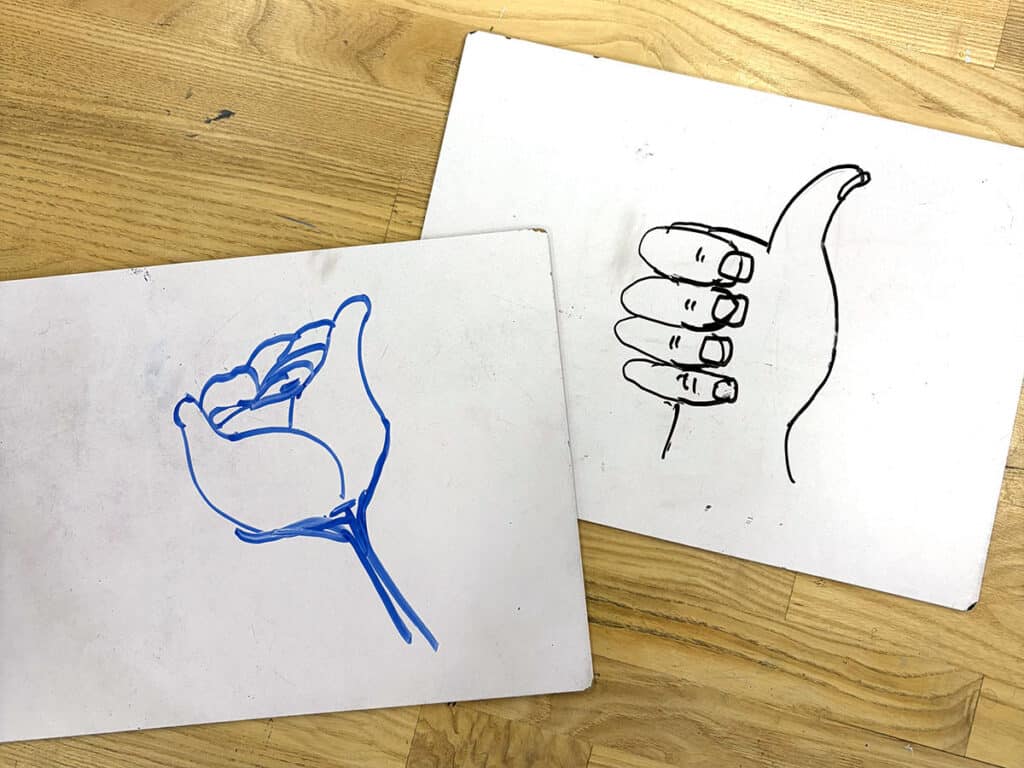
At the end of the day, you don’t have to run on exhaustion and paint fumes alone—you and your students can run on creativity, connection, and lots of laughter! Weave simple whiteboard games into your curriculum and routine to foster studio community, reinforce knowledge, and tap into imagination. These small, playful moments remind everyone why the art room matters and that this is where everyone belongs.
What games make you and your students laugh in art class?
Which activity above will you try next?
To chat about whiteboard games with other art teachers, join us in The Art of Ed Community!
Magazine articles and podcasts are opinions of professional education contributors and do not necessarily represent the position of the Art of Education University (AOEU) or its academic offerings. Contributors use terms in the way they are most often talked about in the scope of their educational experiences.