
Being an art teacher is one of the most rewarding professions! The hidden truths of teaching art allow you to guide students’ artistic transformations, witness their growth toward mastery, and receive compensation for your expertise in art education. With 93% of adults in agreement that exposure to the fine arts helps expand the mind to new possibilities, your role as an art teacher is one of the most essential on campus.
Discover the top three joys of being an art teacher, from the “aha” moments to student triumphs.
Secret #1: The “Aha” Moments
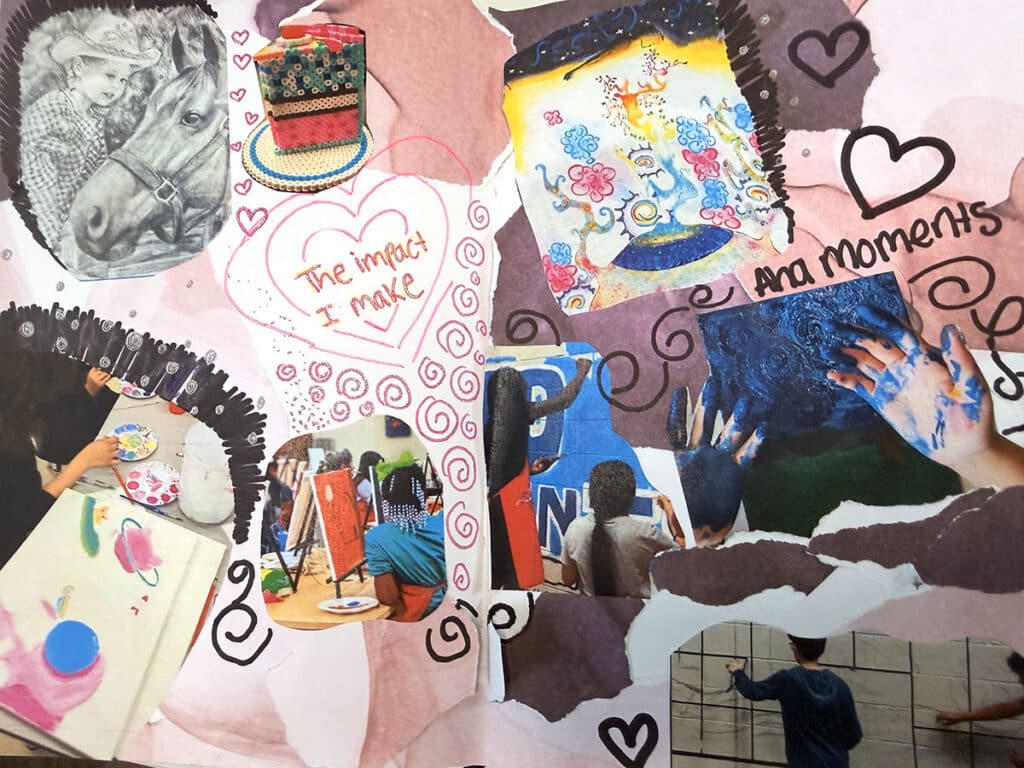
The “aha” moments justify all the reasons you became an art educator. You get to observe students interacting with new materials, intentionally collaborating during art projects, and basking in the glory when a concept clicks. Pay attention in your next art class for these significant body language moments that show a student finally feels the creativity flowing.
Don’t miss these three “secret” places where “aha” moments happen:
- Students’ Eyes
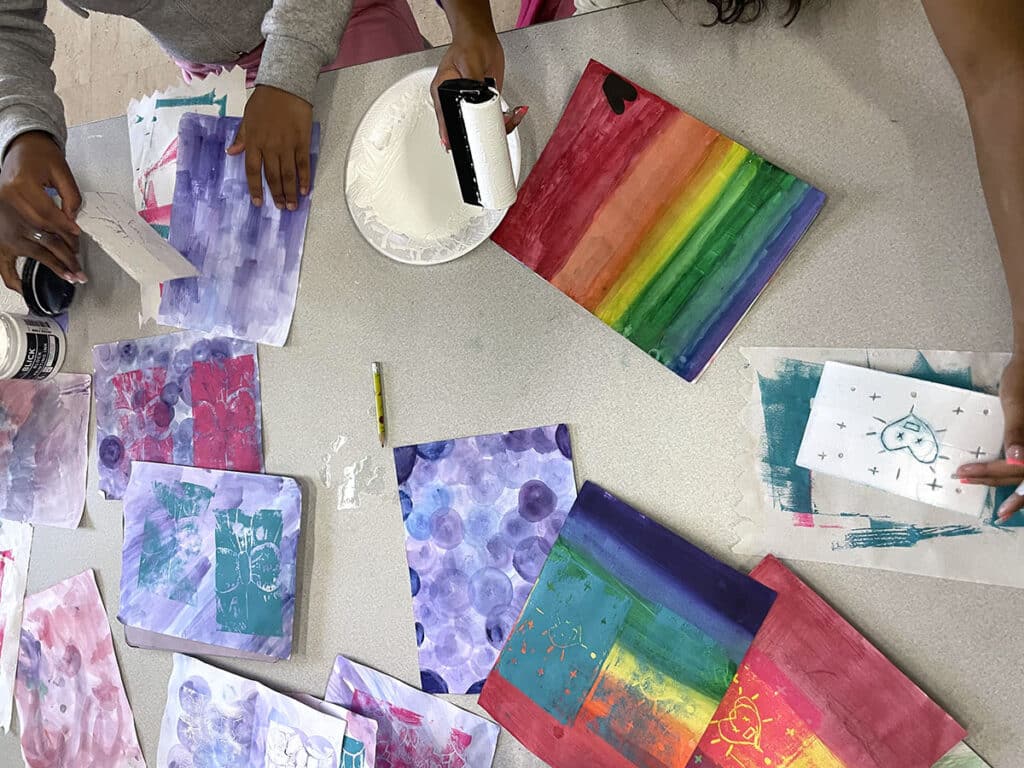
When students discover the chemical reaction of a resist technique, their eyes will light up! Keep a watchful gaze in your classroom for shining eyes to pause, celebrate the discovery with enthusiasm, reinforce learning, and encourage more exploration. Be present for these moments by circulating the room and asking curious questions. - Students’ Mouths
When students struggle with weaving and shout out in excitement after successfully executing a soumak technique, join in their joy! Praise their achievement by verbally acknowledging them in the class, “Wow, you wove that yarn like a pro—everyone come and watch their weaving technique!” Affirming students lets them know they are on the right track and shows them that their enthusiasm is something to share with others. - Students’ Hands
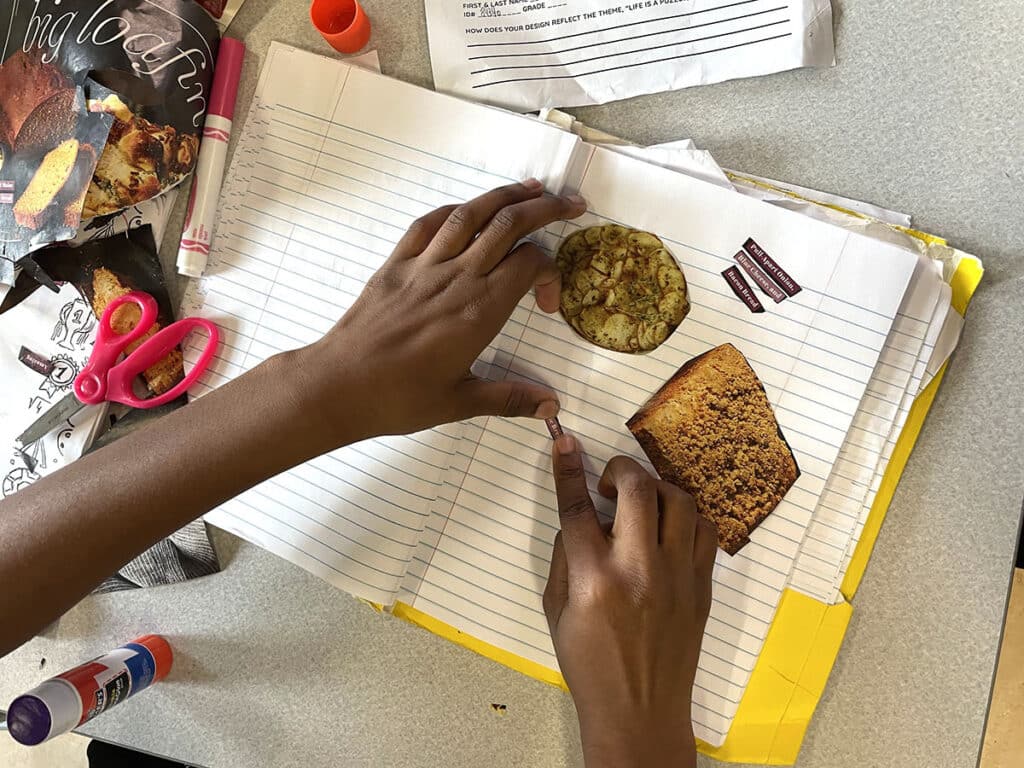
When a student is rhythmically tapping their pen on their paper while creating Ben-Day dots—let them. They are actively developing and exploring a new technique that may involve more movement than you are accustomed to. During these active moments, play music in the background to keep the artmaking flowing. (It’s also fun to notice if any hands start markmaking to the music!)
Secret #2: Student to Master
The most rewarding yet humbling moment is when the student becomes the master and performs the art technique better than you. It’s the ultimate proof that you’ve done your job, not by making an army of copiers but by igniting the creative spark that burns in everyone. Remember, this is not a negative attribution to your skill but a significant teaching achievement to harness.
Don’t miss these two “secret” places where mastery moments happen:
- Art Masterpieces
After teaching a new concept, let your students take off and run with it. Encourage students to continue their high level of creativity and craftsmanship by challenging them, asking questions, helping them discover the “why” behind their art choices, and engaging in a constructive feedback loop. When we let go of our own ego, we create an opportunity for students to shine and become the best artists they can be. - Winning Competitions
Submitting your students’ artwork to competitions validates their effort and skill. It’s also great for your teaching portfolio, and you can leverage winning artworks to advocate for your program and funding in your school and district.
Secret 3: Passion & Knowledge Collide
As an art educator, you have an abundance of passion and knowledge ready to share with students. When so many people feel dissatisfied or disengaged at work, knowing your worth and the impact you have in the art room is essential. Art teachers get to show up and transform lives through creativity—all while supporting themselves financially.
Don’t miss these two “secret” reasons to love teaching art:
- Value Experience
With the average art teacher salary ranging by state from $46K in Idaho to $105K in New York, there are multiple opportunities for growth and celebration in earning a living doing what you love. Every year, you get the chance to wake up and talk about and make art all day, while enjoying breaks and personal time off. - Transform Lives
You get to bring joy to the art room, teach foundational creative skills, and help students discover their passion for the fine arts. Students reshape their sense of self, increase their confidence, and reclaim their narratives as they navigate through your class with your expert guidance. Most importantly, you are cultivating critical thinkers to trust their creative instincts.
While others are making it through their day, art teachers are living it up in their art rooms, knowing they make the greatest impact of all. This month, reflect each day. Discover more “aha” moments and hidden secrets that connect why teaching art matters to you. Every time a student takes a creative risk, discovers their voice, or surpasses your expectations, it’s a reminder that teaching art is more than a job—it’s an opportunity to shape how students see themselves and the world.
Which “aha” moment resonated with you the most?
Share a transformational student story from your art room.
To chat about the best secret parts of being an art teacher with other art teachers, join us in The Art of Ed Community!
Magazine articles and podcasts are opinions of professional education contributors and do not necessarily represent the position of the Art of Education University (AOEU) or its academic offerings. Contributors use terms in the way they are most often talked about in the scope of their educational experiences.