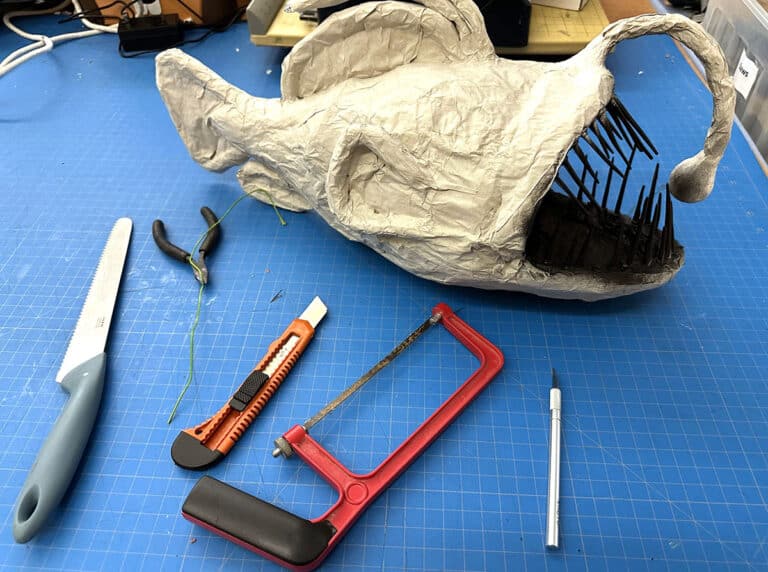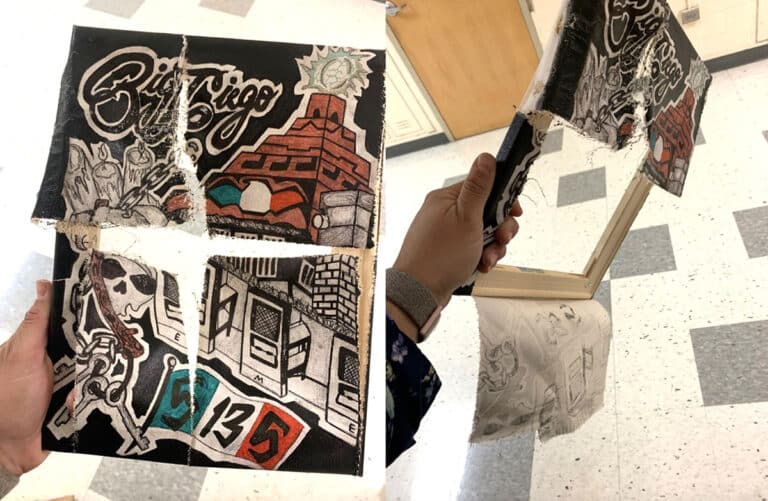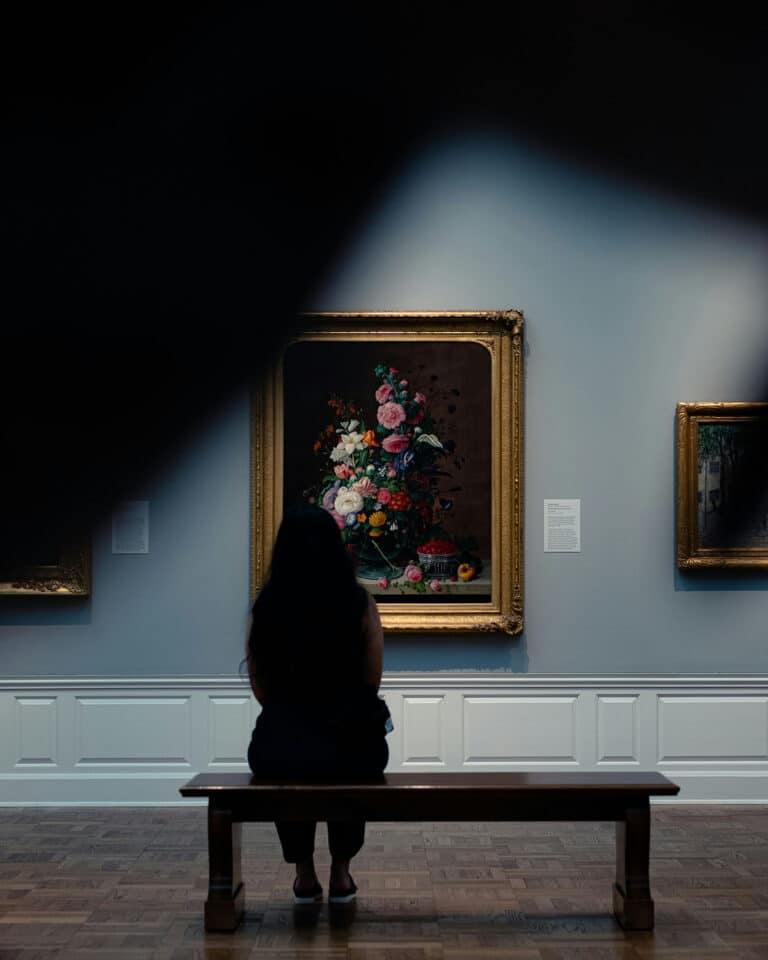

Do you ever feel pressure to constantly try the newest, most outside-the-box art techniques? Maybe you’ve found yourself juggling spray paint bottles, soap, squeegees, found objects, or whatever trend just made the rounds on social media. The intention is always good. We want art class to feel exciting and relevant. However, keeping up with trends can be exhausting, and sometimes, despite all the effort, students are still unfocused, frustrated, or disconnected from their work.
What if the answer isn’t more novelty, but something simpler and time-tested? Old-school art techniques, when thoughtfully adapted, offer a grounded, effective way to engage students, build confidence, and reduce teacher burnout.
When “new and exciting” starts to feel exhausting, discover how to reset with old-school drawing methods.
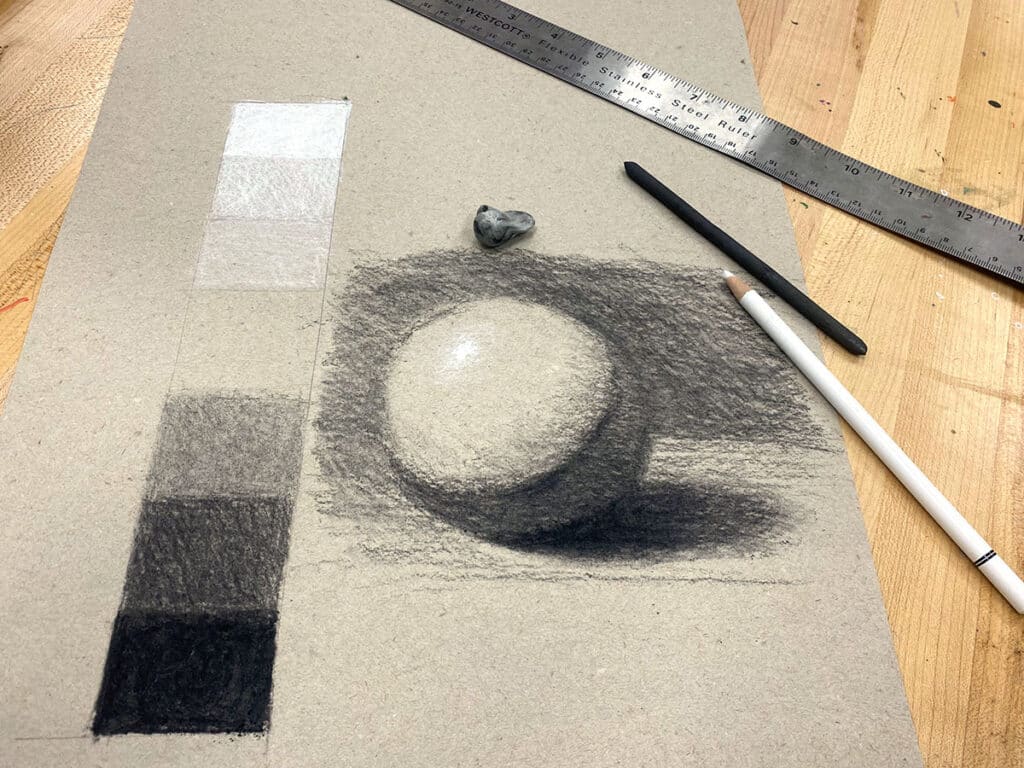
The Real Problem: Engagement, Confidence, and Burnout
With the tug of technology, short attention spans, and the pressures of home and school, coupled with students’ desire to draw perfectly, art teachers face challenges with engagement. Trying to find fresh ways to hook students from the start of a lesson all the way to the end can keep you on your toes—too much!
In your classroom, this may look like:
- Student frustration when ideas outpace skills
- Pressure to constantly innovate and entertain
- A fast-paced classroom that leaves little room for depth
- Projects that look fun but don’t always lead to growth
Students often want their work to look “realistic,” but don’t yet have the tools to make that happen. You want to support their creativity without turning every class into a high-energy production. Does this sound like a unicorn? Fortunately, it is very achievable when you take a step back to basics and explore foundational, skill-based approaches.
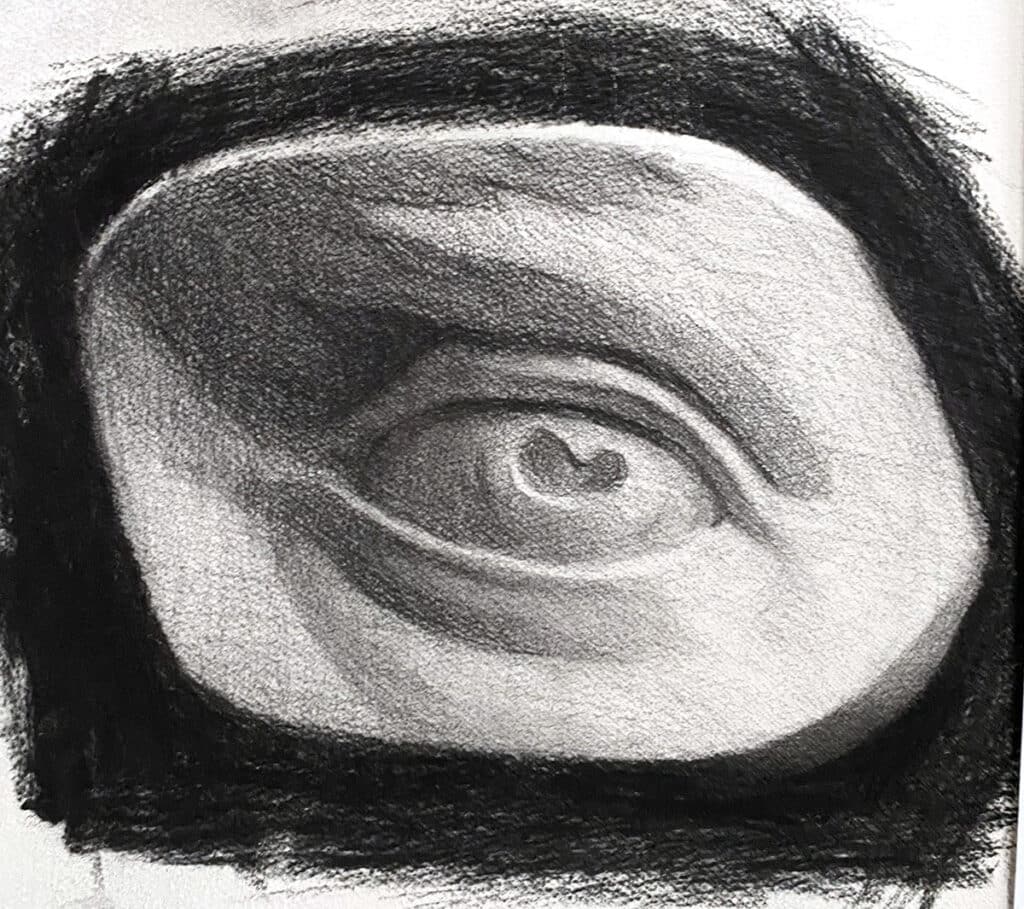
Old-School, Atelier, and Classical Techniques 101
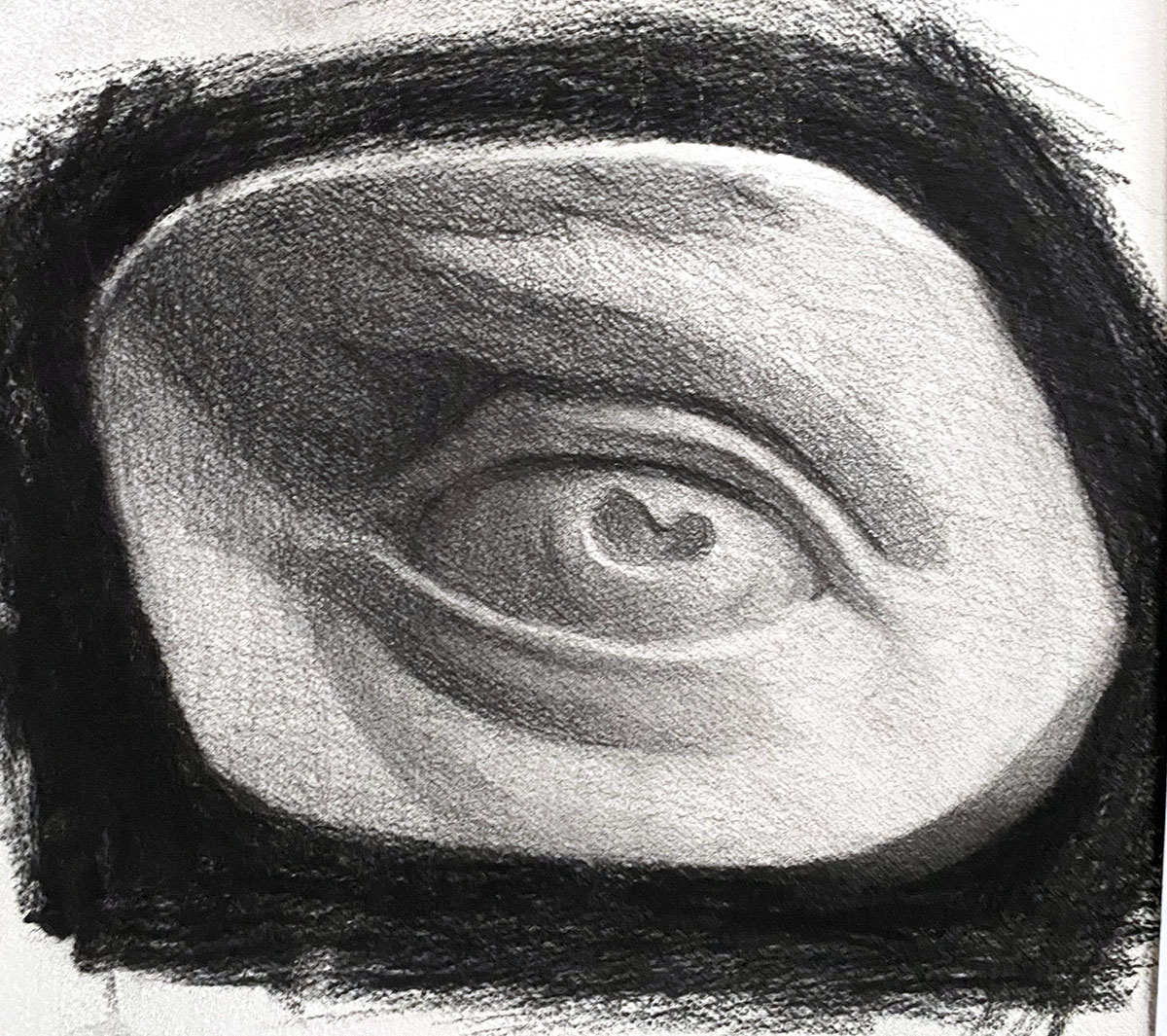
Classical, atelier, or “old-school” art education is often associated with 19th-century French academies. At its core, it’s less about history and more about structure. Establishing a clear sequence for developing skills with just graphite, charcoal, and oil paint helps make learning more equitable. The focus shifts away from labels like “talent” and toward growth. In this model, every student can build artistic skills, no matter where they start.
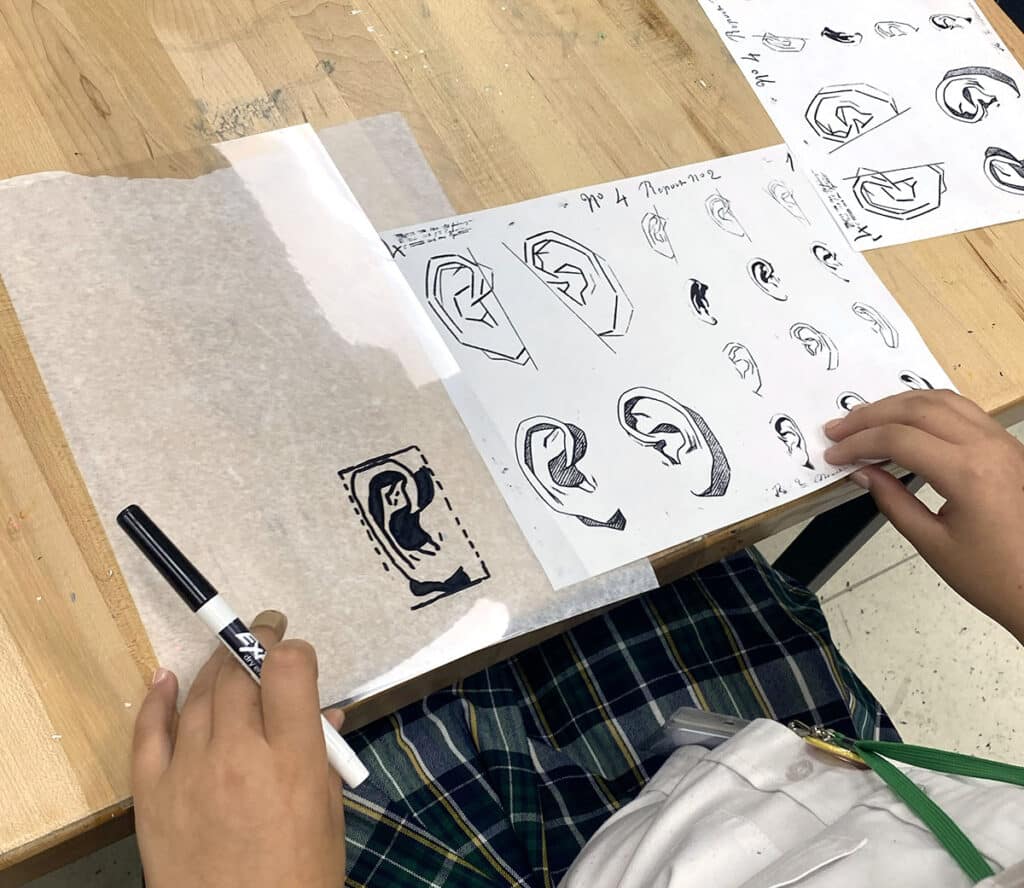
In traditional academies, drawing was a skill developed step by step. In some cases, before students could even apply, they completed a sequence of instructional “Bargue drawings,” building accuracy, patience, and confidence along the way. It was less about copying and more about understanding form, light, line quality, proportion, and structure through repetition, control of materials, and other various exercises. Even Vincent Van Gogh extolled praises for this method and how it improved his figure drawings.
“The careful study, the constant and repeated drawing of Bargue’s Exercices au fusain has given me more insight into figure drawing. I’ve learned to measure and to see and to attempt the broad outlines, etc. So that what used to seem to me desperately impossible is now gradually becoming possible, thank God.”
Why Time-Tested Techniques Still Matter
Historically, artists learned through structured practice before improvisation. These old-school methods have endured the test of time because they address universal learning needs. That sequence also mirrors what we now know about effective learning: skills first, with creativity built on top. While the world around us may be rapidly shifting, the way humans learn and grow, and the skills we need to thrive, remain the same.
Classical drawing methods slow students down in productive ways, make progress visible and measurable, teach great observational skills, and replace guesswork with clarity. It gives students more practice with patience, persistence, problem-solving through making, and pride in craftsmanship. These skills transcend the art room and will equip students for years to come, no matter what career they choose.
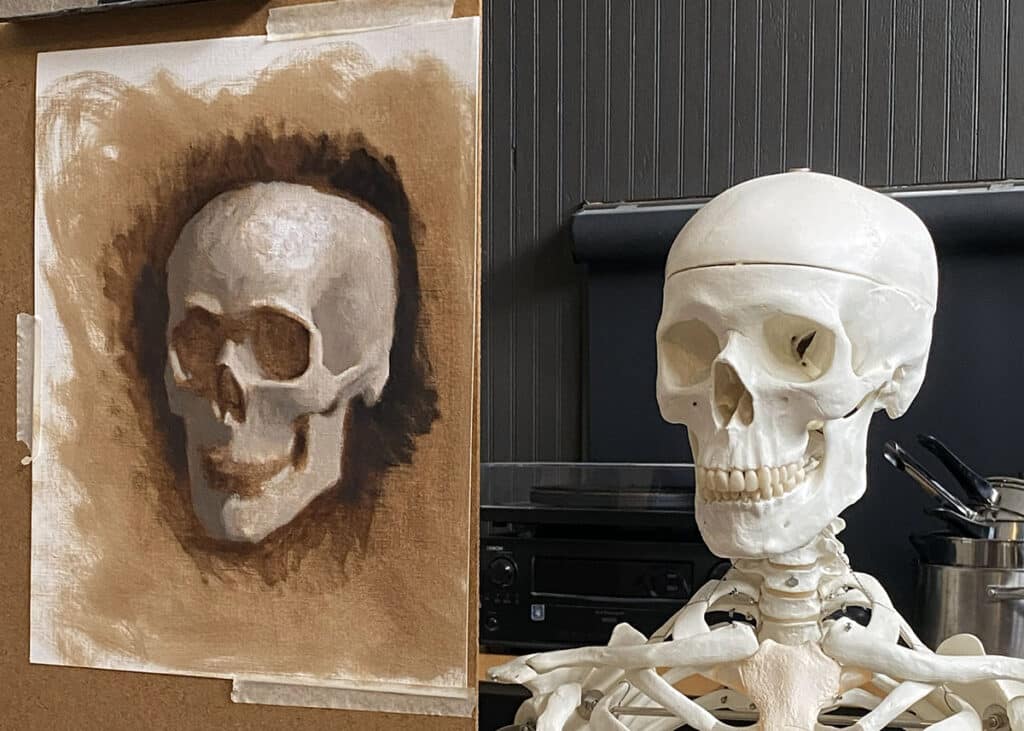
What This Looks Like in Your Classroom
Classical doesn’t mean long, formal studies or expensive supplies. Make small shifts for a big impact! Bring in one exercise per class period for student skill building. No need to reinvent the wheel every time; feel free to revisit the same exercises so students can see their growth often. Sit down with your students during this time to foster connection and rapport, give yourself a much-needed brain break, and expand your skills along with them.
In a 50-minute class, try one of these 5-10 minute exercises as a bellringer or between longer activities:
- Focus on one element of art in a small observational drawing
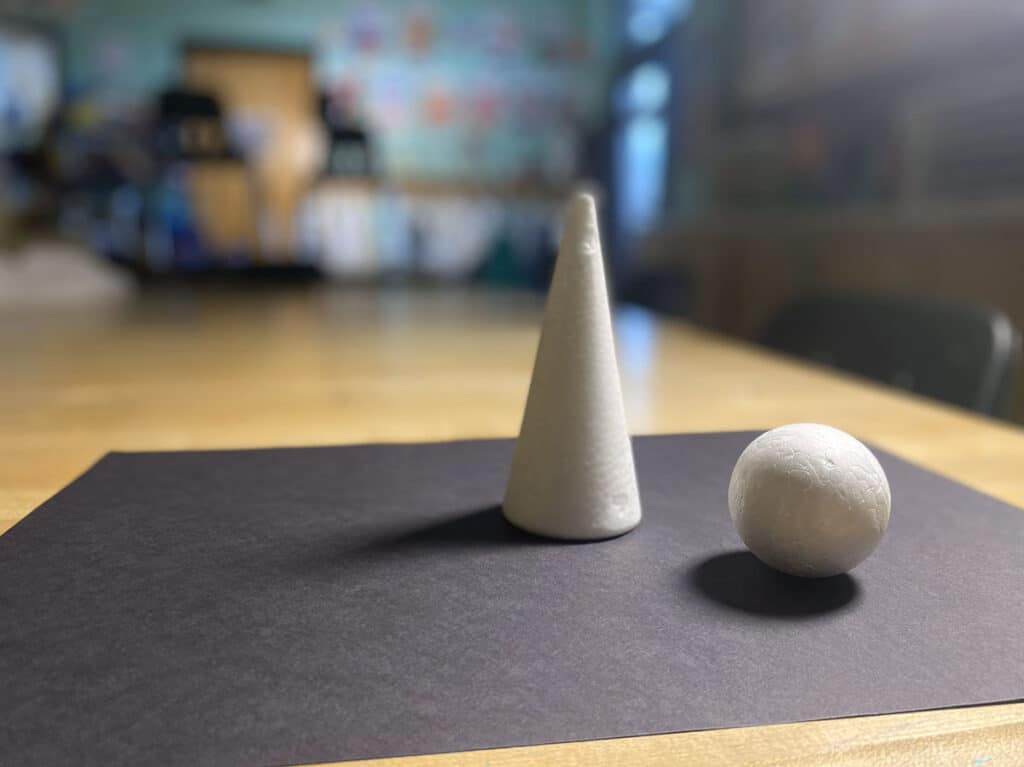
- Draw a simple still-life setup using one classroom object
- Practice shading using a single lamp for dramatic lighting
- Explore one technique with one medium
- Examine a master artwork to see how they solved one problem
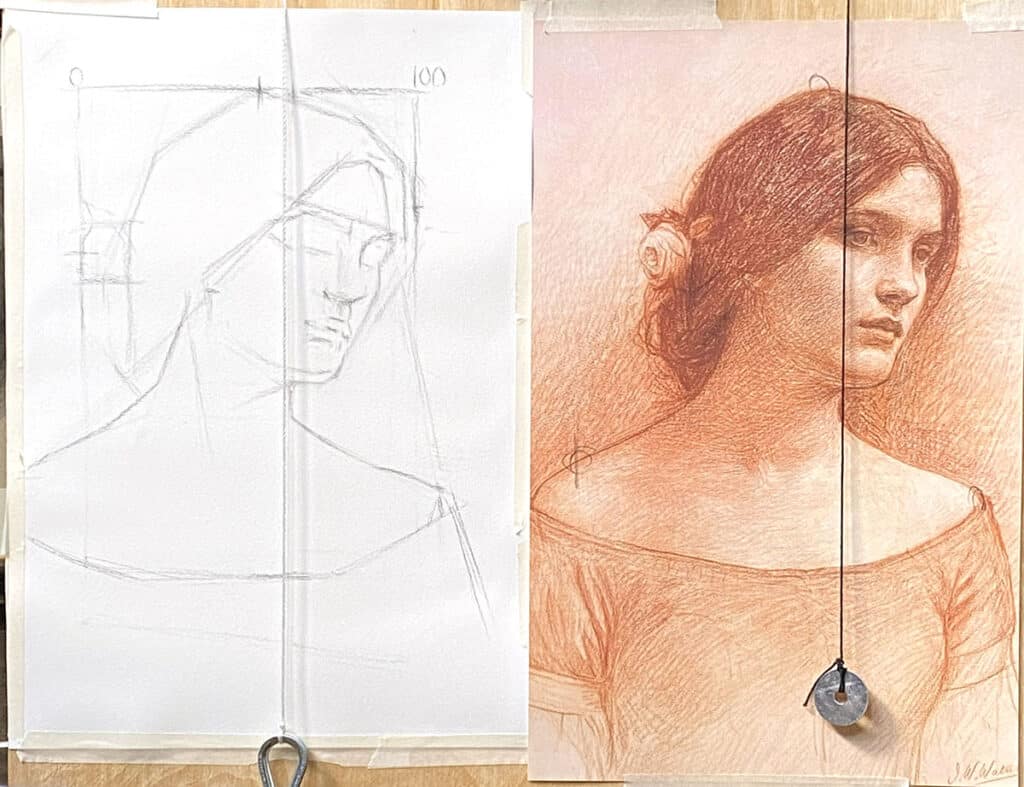
Why Your Students Will Respond Well to These Drawing Methods
Sometimes we think taking a step back will be boring or a drag. However, students respond really well to atelier techniques! Students thrive on structure and expectations, and this model provides clear, achievable steps with quick, visible progress. This skill-building boosts motivation and confidence, and reduces anxiety and perfectionism. Plus, their learning shows through in their final pieces, resulting in more technically proficient artworks. Instead of asking, “Is this good?” students begin asking, “How can I improve this?”
FAQs: Common Teacher Concerns
As mentioned, old-school drawing methods don’t have to take up much time or require an overhaul of your curriculum. With a few intentional, short exercises, your classroom routine and student morale will improve in no time. For longer projects, work on them in short bursts. This will help your students to see their work with fresh eyes.
Here are a few more atelier myths:
- “I’m not classically trained.”
You don’t need to be to get started. The biggest factors in classical techniques are time and observation. - “It’s not exciting enough.”
Students will naturally get excited when they see themselves improving! - “This will limit my students’ creativity.”
Knowledge and structure give students freedom to be creative. They’ll be better equipped to capture their ideas in reality with a strong foundation. Rules can’t be broken if they aren’t learned first.
You don’t need to chase every trend to run a strong and engaging art program. By returning to time-tested, skill-based practices, you give students the structure they need to build confidence and grow. Plus, you’ll create a calmer and more sustainable studio for yourself. Sometimes drawing on the past is the most powerful way for future artists to move forward.
For more resources on old-school drawing methods, save the following:
- Back to Basics: Spilling the Tea on How to Teach Observational Drawing with Confidence
- An Introduction to Atelier Training (Ep. 368)
- Don’t Let Drawing Disappear From Your Curriculum
- Studio: Drawing Living Forms
What’s one old-school technique you’d like to try in your classroom?
Share a lingering question or concern you have about the atelier approach.
To chat about old-school drawing methods with other art teachers, join us in The Art of Ed Community!
Magazine articles and podcasts are opinions of professional education contributors and do not necessarily represent the position of the Art of Education University (AOEU) or its academic offerings. Contributors use terms in the way they are most often talked about in the scope of their educational experiences.