
Art education thrives on innovation, experimentation, and engagement. While foundational materials like paint, paper, and clay are timeless, introducing fresh and exciting art supplies and tools can spark new levels of enthusiasm in both you and your students. Whether you’re plugging in the heat gun or the heat press, the right tools can transform your art room into a creative furnace of ideas.
Here are eight sizzling hot art supplies that are sure to fire up your students’ imaginations and heat up their artwork.

1. Hair Dryer
Why It’s Hot: It’s an interactive way for science to meet art.
Use a hair dryer to heat up thermochromic paint to change its color. This is an engaging way to merge creativity with basic scientific principles. This paint is ideal for sensory-based lessons and interactive artworks where you can use your breath, body heat, or tools like hair dryers to alter designs. It’s also a powerful way to explore temperature, color theory, and emotional expression. Imagine creating mood-themed self-portraits that shift hues based on the environment!
Bookmark this FLEX Lesson for the Fall:
Swap out regular paint with heat-activated paint in this Batik Mantra Flags Lesson from FLEX Curriculum. This is a magical lesson that will bring your students together in the first few weeks of school.
FLEX is a standards-aligned K-12 art curriculum with step-by-step lessons and lists of art supplies. It also has thousands of student-facing resources, including artist bios, reflection guides, animated videos, and much more. When you find a lesson or resource you like, bookmark it so you don’t have to dig for it later!

2. Heat Gun
Why It’s Hot: It’s quick, targeted heating for dynamic art effects.
Heat guns are a must-have for mixed-media projects. They provide controlled, high-temperature airflow that you can use for a range of creative outcomes. From embossing powder designs to accelerating the drying of acrylics and watercolor washes, heat guns enable students to quickly manipulate materials. They are especially useful in sculpture or recycled art units involving shrink plastic or melting techniques.
Bookmark this FLEX lesson for the fall:
The Abstract Soda Can Portraits Lesson is a good beginner opportunity to practice using heat guns!

3. Wood Burning Pen
Why It’s Hot: It creates intricate designs with fire—need we say more?
Wood burning pens, or pyrography tools, introduce students to a traditional technique that demands patience and precision. Using heat to etch into wood or leather, students can explore line work, shading, and texture in a permanent and tactile form. This medium encourages careful planning and hand control, which is ideal for lessons on contour drawing or pattern development.
Bookmark this FLEX Lesson for the Fall:
Take the Creative Carving: Wood in Focus Lesson to the next level. Bring the heat of a wood burning pen to the surface of your sculptures.

4. UV Lamp
Why It’s Hot: It’s fast-curing resin art in minutes.
UV resin offers a quick-curing alternative to traditional resin. It allows students to create detailed and polished art pieces without long wait times. With a UV lamp, projects cure in under five minutes, making this perfect for a tight class schedule. Use resin to create jewelry, embed natural items like dried flowers, or encapsulate small drawings and objects. Through this process, students will also gain a basic understanding of chemical reactions and polymerization.
Bookmark this FLEX Lesson for the Fall:
Combine metalworking and resin to create a nature-inspired piece of work in the Found Inside Lesson.

5. Hot Plate
Why It’s Hot: It’s painting with molten wax for rich texture and color.
Encaustic painting uses heated beeswax mixed with colored pigments to create textured, luminous surfaces. This ancient technique offers rich visual depth and a highly tactile experience as students layer, scrape, and fuse wax. It’s a great way to integrate lessons on history, chemistry, and abstraction. While it requires supervision and proper ventilation, students love the sculptural qualities of encaustic art. Use mini hot plates, metal tools, and brushes to guide students through color layering, image embedding, and surface manipulation.
Bookmark this FLEX Lesson for the Fall:
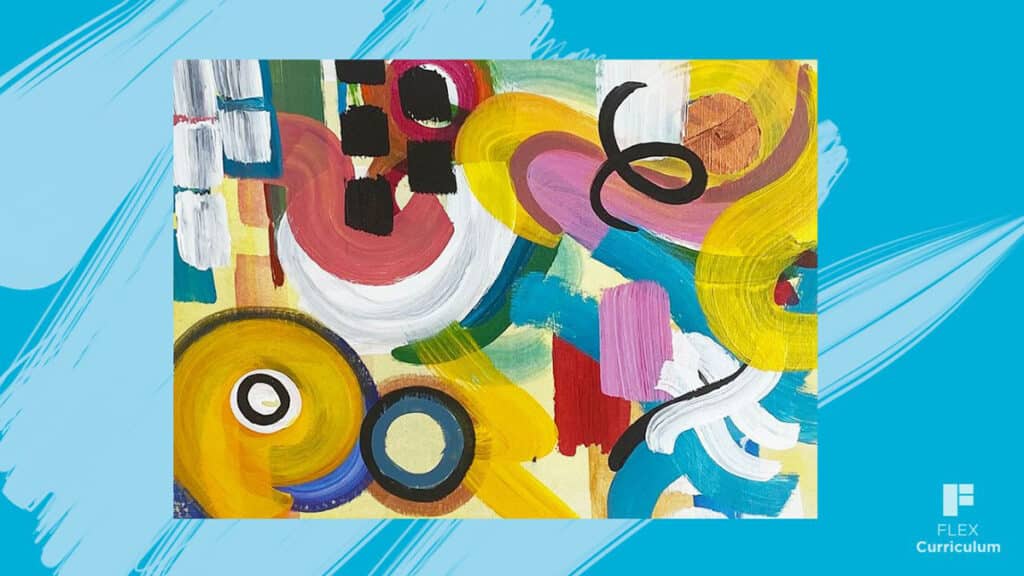
Explore abstraction while teaching students about the history of encaustics in ancient Greek and Egyptian art with the Abstract Alpha Lesson.
6. Cordless Hot Glue Gun
Why It’s Hot: It’s instant adhesion and 3D creativity without the cord clutter.
Cordless hot glue guns bring flexibility, mobility, and speed to any creation. Unlike traditional plug-in glue guns, the cordless versions heat up quickly, and you’re not tethered to an outlet. This makes them ideal for collaborative workspaces, sculpture stations, or outdoor art projects.
These tools allow you to build, layer, and attach a wide range of materials, including cardboard, fabric, wood, plastic, and found objects. In addition to its traditional role as an adhesive, use hot glue as a medium in itself. (Plus, it makes for cheap art supplies!) Draw with glue on canvas or board to create textured linework, and then paint over it or use it as a resist.
Bookmark this FLEX Lesson for the Fall:
In the Layers of Relief Lesson, students learn about layering with low relief sculptures. Use a cordless hot glue gun to create surface designs on their sculptures.

7. Laminator or Foil Transfer Machine
Why It’s Hot: It’s got metallic shine and tactile dimension.
Metal embossing uses styluses and foam pads to push patterns into foil sheets, bringing a 3D element. It’s a low-mess, high-impact material perfect for introducing texture and relief. Combine this with foil heat transfer for a contemporary twist. Students can use laser prints and a heat source to apply metallic accents to their work. Projects range from medieval-inspired metalwork to modern pop art. Combine embossed tiles or quilt squares into collaborative displays.
Bookmark this FLEX Lesson for the Fall:
Create a school-wide tile or quilt wall with the Arabesque Metal Tile Lesson!

8. Fabric Heat Press or Mini Iron
Why It’s Hot: It instantly customizes wearable art.
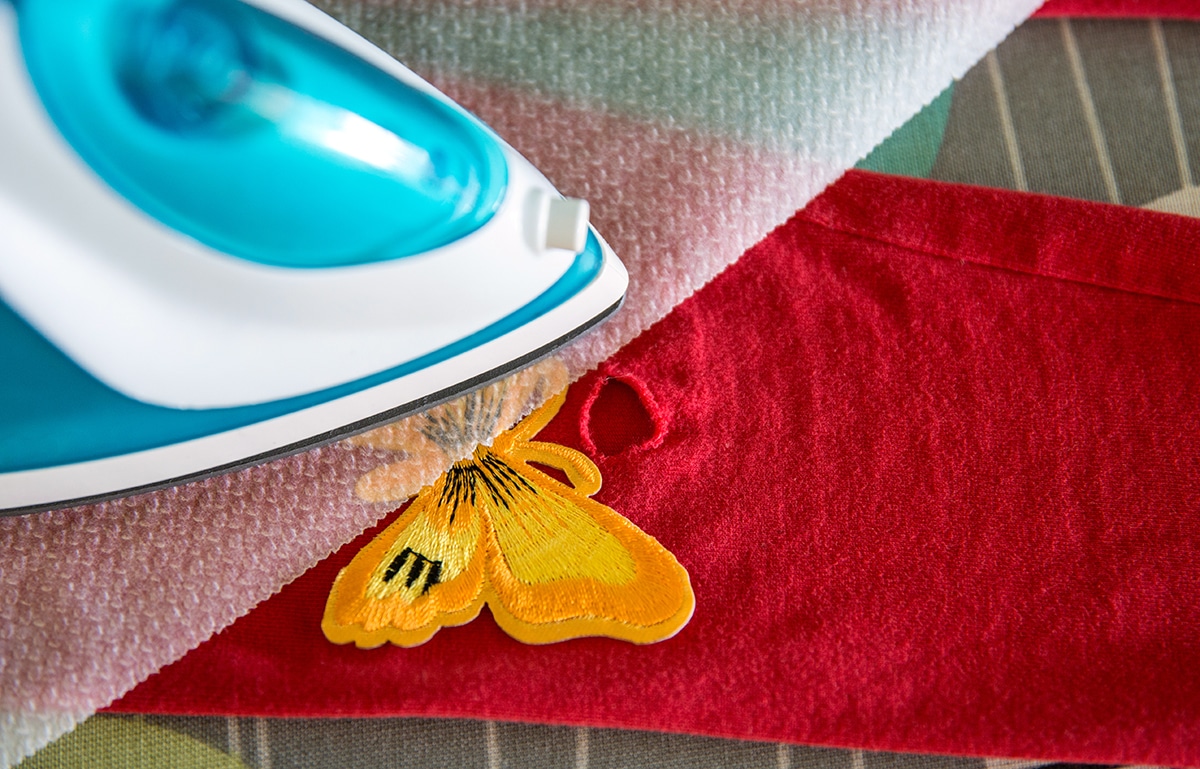
Heat presses and mini irons are essential tools for textile-based projects. They enable students to apply heat transfer vinyl (HTV), perform sublimation printing, or permanently set ink onto fabric surfaces. These tools open the door to designing and producing custom t-shirts, tote bags, banners, and patches, and bring students’ graphic designs from the screen to real life. Heat presses apply consistent temperature and pressure, ensuring professional-quality results. Mini irons are great for spot treatments or smaller applications.
Bookmark this FLEX Lesson for the Fall:
Adapt the Needle Felted Symbol Patches Lesson and use iron-on adhesive to create a collage of patches that represent your students.

Today’s art room is more than just a space for drawing and painting—it’s a studio, a lab, and a launchpad for innovation. Incorporate these hot tools and art supplies to invite your students to explore ancient techniques with cutting-edge technology. The heat brings sensory experiences that will deepen their understanding of materials and processes. As you warm things up with your heat gun, UV lamp, or heat press, you’ll cultivate not only artistic skills but curiosity, confidence, and cross-disciplinary thinking. Turn up the creative temperature and let your art room blaze with imagination!
What sizzling art tools do you want to try this school year?
Share a hot art tool that we missed!
To chat about ways to heat up your art room with sizzling art supplies, head over to The Art of Ed Community!
Articles and podcasts are opinions of professional education contributors and do not necessarily represent the position of the Art of Education University (AOEU) or its academic offerings. Contributors use terms in the way they are most often talked about in the scope of their educational experiences.