
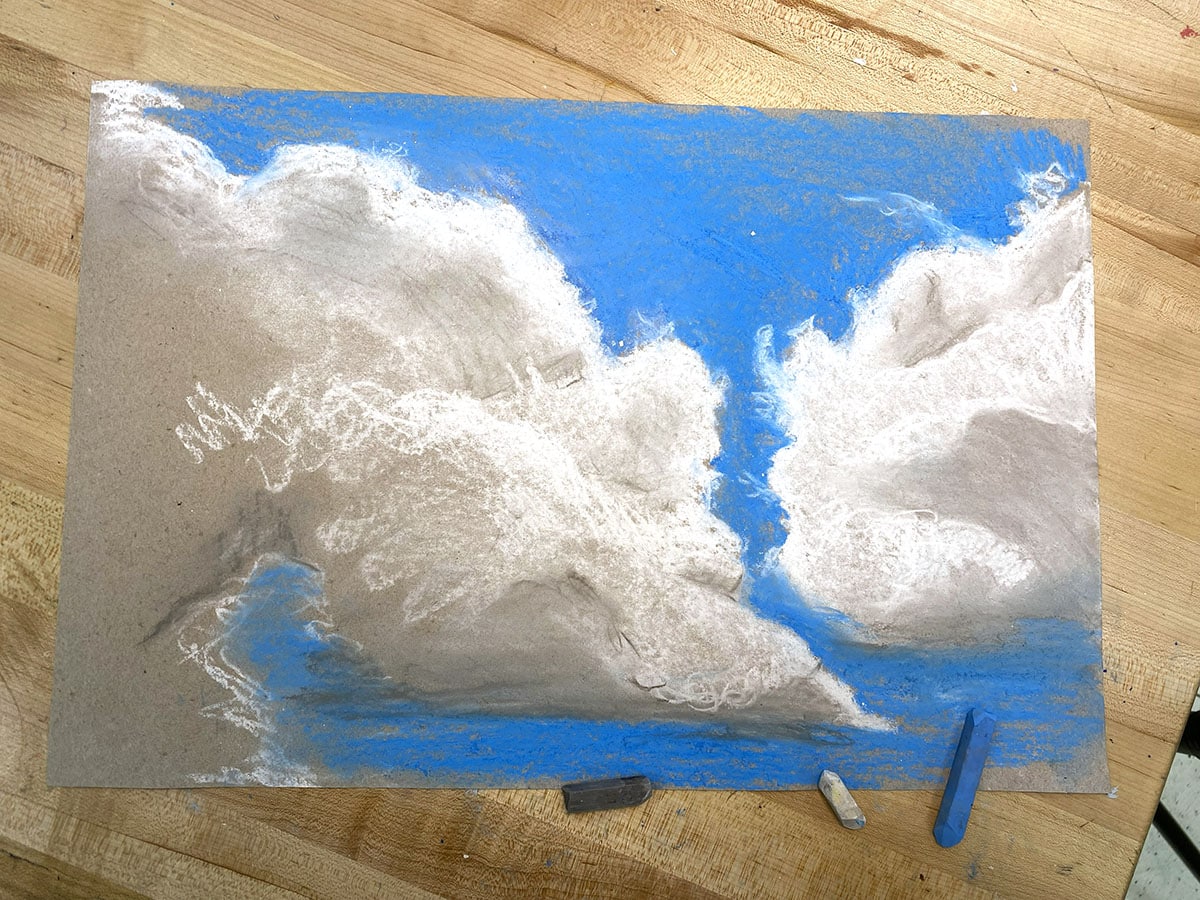
Do you dread starting a chalk pastel project? Maybe dusty tables, smudged sleeves, and fingerprints everywhere quietly convinced you to retire them to the back of the supply closet. You’re not alone. Many art teachers have a complicated relationship with chalk pastels.
But what if chalk pastels were actually a powerful teaching tool hiding in plain sight? With the right framing, they can build observational skills, patience, confidence, and studio habits that transfer to other media. Despite their mess potential, chalk pastels offer many reasons to fall back in love with this sometimes-dusty, often-delightful material.
Learn why chalk pastels might just earn a permanent place in your curriculum—even if you swore them off years ago.
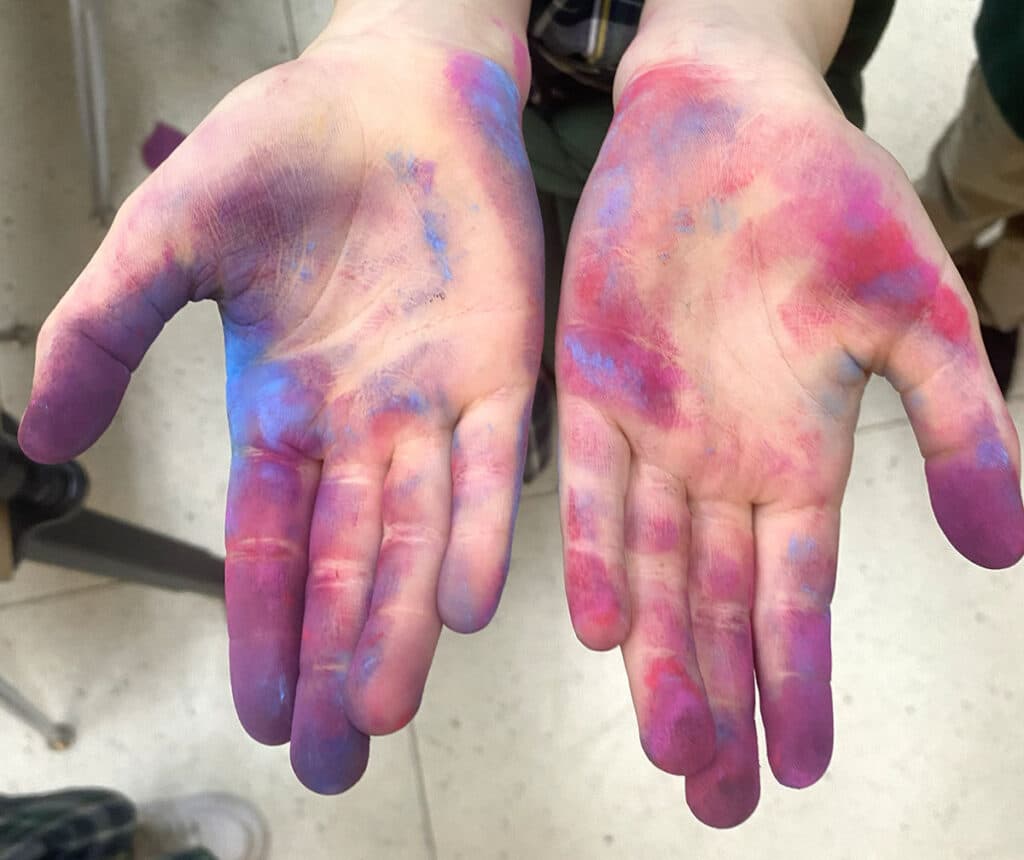
1. Simple Materials, Big Impact
At the most basic level, chalk pastel projects require only pastels and paper. No water. No drying time. No brushes to clean. That simplicity makes them ideal for short class periods, limited sink access, sub plans, or quick-start lessons. Despite the minimal setup, students can achieve rich, painterly results almost immediately. Chalk pastels allow learners to focus on seeing and markmaking rather than managing tools. When materials become second nature, learning moves front and center.
To launch your chalk pastel unit for any grade level, try the Chalk Pastel Techniques Collection from FLEX Curriculum.
2. Instant Color = Instant Engagement
Chalk pastels offer immediate payoff. Students don’t have to wait for layers to dry or build color slowly, as they would with watercolor or colored pencil. Bold color appears right away, which can be incredibly motivating. For many learners, chalk pastels feel more like painting with their hands than drawing with a tool. That sensory engagement sparks curiosity and excitement, two things every art teacher loves to see.

Chalk pastels’ instant vibrancy:
- Boosts confidence for hesitant artists
- Keeps momentum high during class
- Helps reluctant students experience early success

To kick-start student engagement, try this Paul Klee-inspired Chalk-Pastel Portraits Lesson from FLEX.
3. Built-In Lessons on Control and Intention
Instead of fighting the dust and smudging, use them as part of the lesson. Students quickly learn that every movement matters. Unlike media that allow endless erasing or correcting, chalk pastels prompt students to commit to their marks. That constraint strengthens artistic decision-making and encourages thoughtful risk-taking.
Chalk pastels naturally teach:
- Pressure control
- Hand placement awareness
- Slowing down and working intentionally
4. Texture Teacher
Whether students tackle fur, clouds, tree bark, fabric, or skin, chalk pastels make markmaking visible. That visibility helps students connect what they see to how they move their hands, a key step in developing observational skills.
Keep in mind that the range of markmaking with pastels is also dependent on the paper you use! Smooth drawing paper and (gasp!) copy paper don’t have enough “tooth” (surface texture) or weight to hold the pigment. Instead, use pastel or charcoal paper, heavy recycled paper (like Bogus paper), or even watercolor paper. If you don’t like the feeling of pastels scraping or squeaking while you draw, chances are you’re using the wrong type of paper.
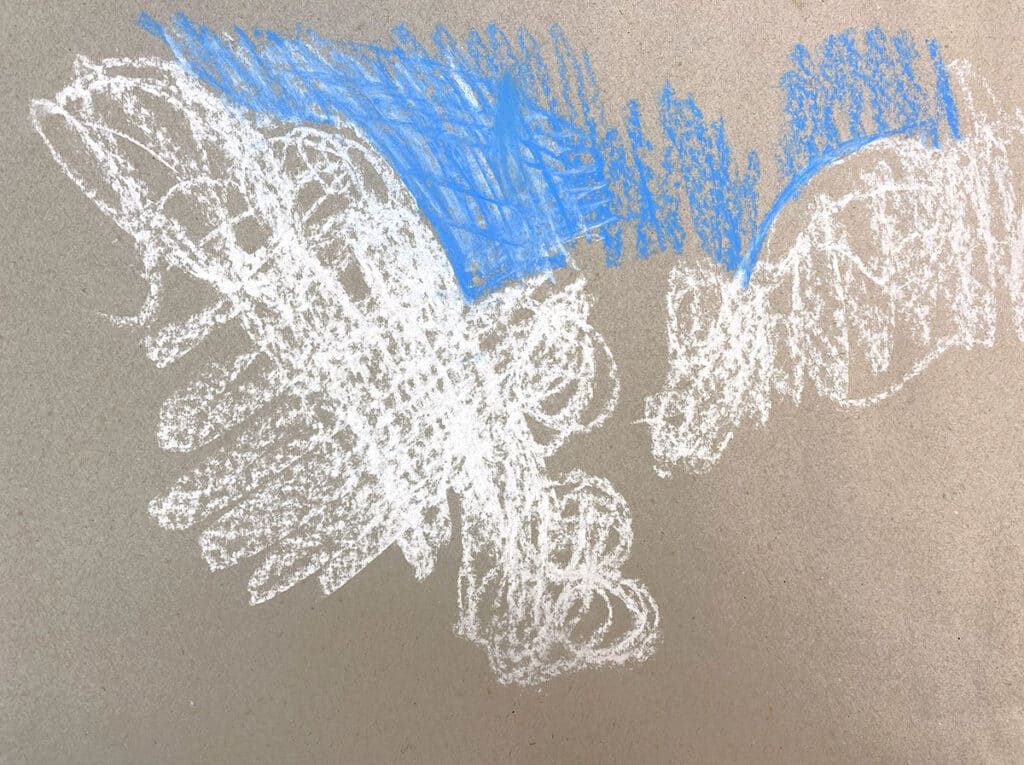
Few media teach texture as effectively because students can:
- Layer softly or apply color more aggressively
- Blend areas smoothly or leave marks raw
- Experiment with stippling, hatching, and directional strokes
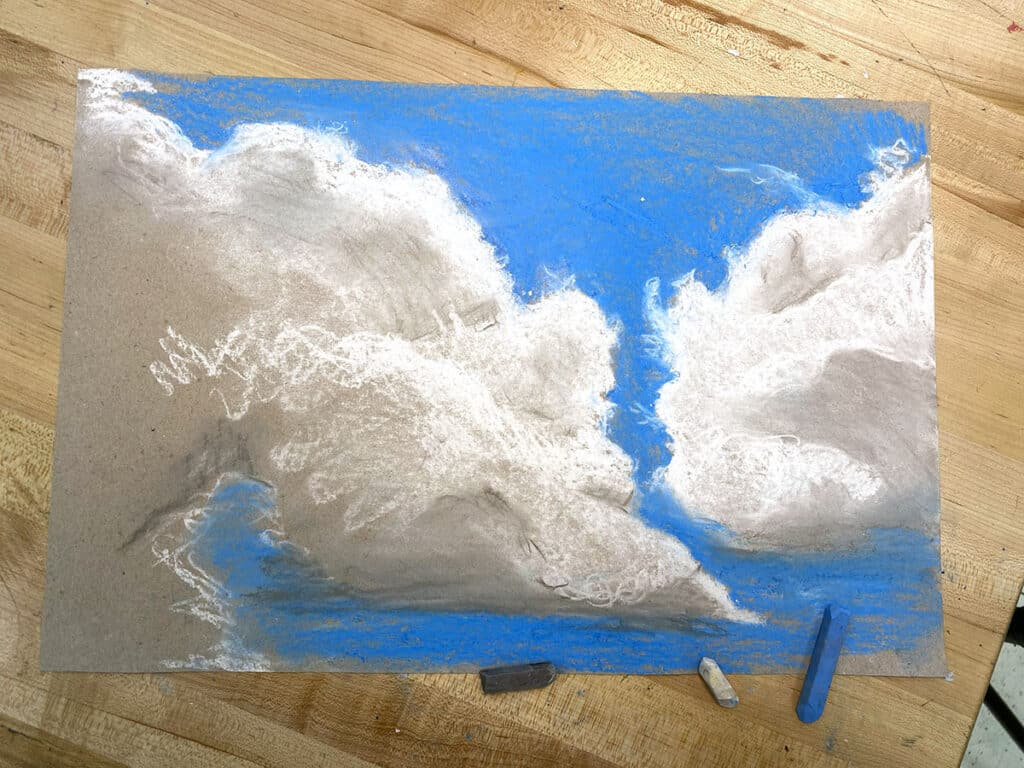
Start with this visual guide of chalk-pastel techniques from FLEX to maximize markmaking and create a variety of textures.
5. A Gateway to Seeing Like an Artist
Because chalk pastels encourage broad areas of color, students can’t rely on outlines alone. They must look carefully and think in terms of value and shape. In other words, pastels naturally push students toward seeing instead of symbol-drawing. They help students shift from “drawing what I think I see” to “drawing what is actually there.”
This approach encourages:
- Value-based thinking
- Shape recognition
- Attention to light and shadow
6. Respectful Classroom Culture
It may sound counterintuitive, but messy materials like chalk pastels can promote thought and care in the art room. When expectations are clear, these lessons can improve studio habits rather than disrupt them. The medium itself reinforces mindfulness, both in the artwork and in the classroom. Students learn quickly that careless movements have visible consequences, which encourages responsibility and focus.
Many teachers find that students:
- Move with increased care
- Respect materials more
- Take cleanup routines seriously
To inspire students with the process of making and using chalk pastels, check out this video featuring a chalk pastel maker in France with a secret recipe dating back to the 1800s!
7. Grade Level Versatility
From early elementary explorations to middle school realism and high school still lifes, chalk pastels scale beautifully. Younger students can focus on color, blending, and discovery. Projects like glue drawings on black paper, where students apply pastel between dried glue lines, offer high engagement with minimal frustration.
Shift older students toward value, realism, and restraint. General-to-specific or “mystery” drawings (where students start with an out-of-focus “mystery” reference) work especially well. Activities like these help students learn to block in shapes before refining details. No matter the grade level, chalk pastels are a perfect material with many entry points.
Chalk Pastels: Practical Hacks
If you’re ready to give chalk pastels a second chance, a few hacks and simple adjustments can make all the difference. Try these classroom-tested strategies to keep the focus on fun and learning rather than cleanup.
Save these hacks to streamline your time and their mess:
- Add liquid starch for blending or dust-based painting.
- Stock up on Casein fixative (non-toxic, non-flammable, and low-odor) for students to safely spray their own work indoors!
- Use tape or resist techniques to control composition.
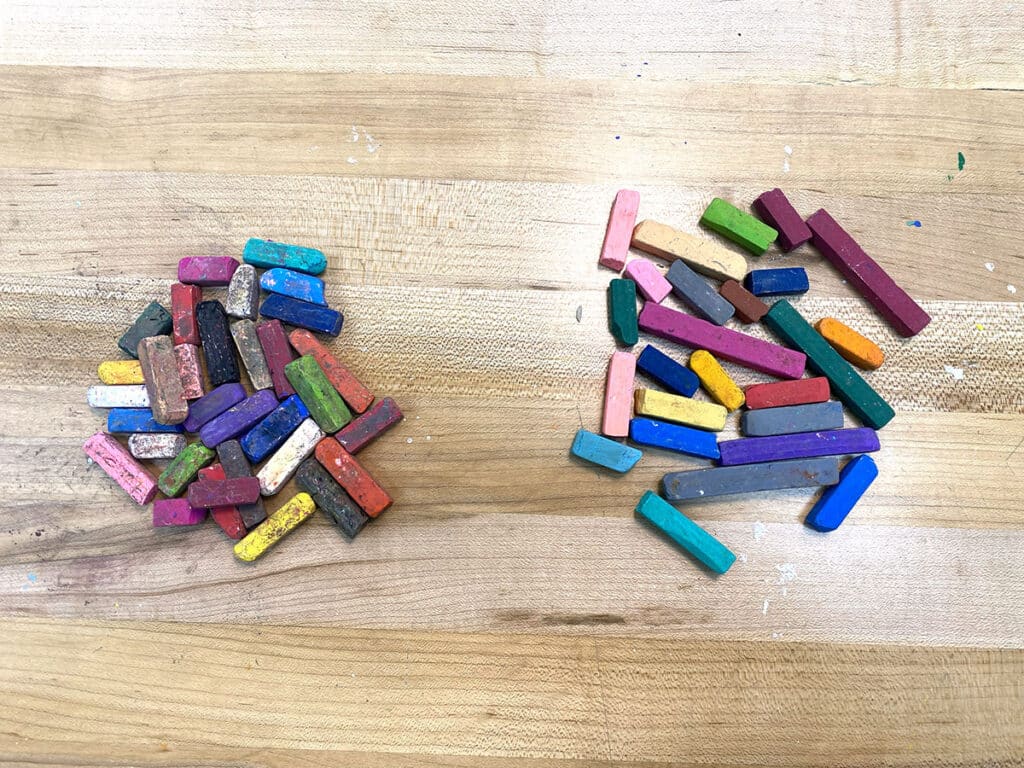
- Clean old, dusty pastels by shaking them in a sealed container of rice.
- Blend only with the pastel itself for a “No Hands” challenge and no dusty fingers!
- Set up Tapping Stations at each table where students gently tap dust off work at the end of class.
- Collect pastel dust to add pigment for paper marbling, polymer clay, or liquid starch “painting.”
Chalk pastels may never be totally mess-free, and that’s okay. They offer something far more valuable: opportunities for growth, intention, and artistic thinking. With the right structure and mindset, the dust becomes part of the process, not the problem. Messy materials allow us to embrace a little chaos while teaching control, technique, and responsibility. When we guide students thoughtfully, chalk pastels become powerful tools and sources of creative magic.
How can chalk pastels support students who struggle with perfectionism or fear of making mistakes?
How do the materials we choose shape the kind of artists our students become?
To chat about chalk pastels with other art teachers, join us in The Art of Ed Community!
Magazine articles and podcasts are opinions of professional education contributors and do not necessarily represent the position of the Art of Education University (AOEU) or its academic offerings. Contributors use terms in the way they are most often talked about in the scope of their educational experiences.