
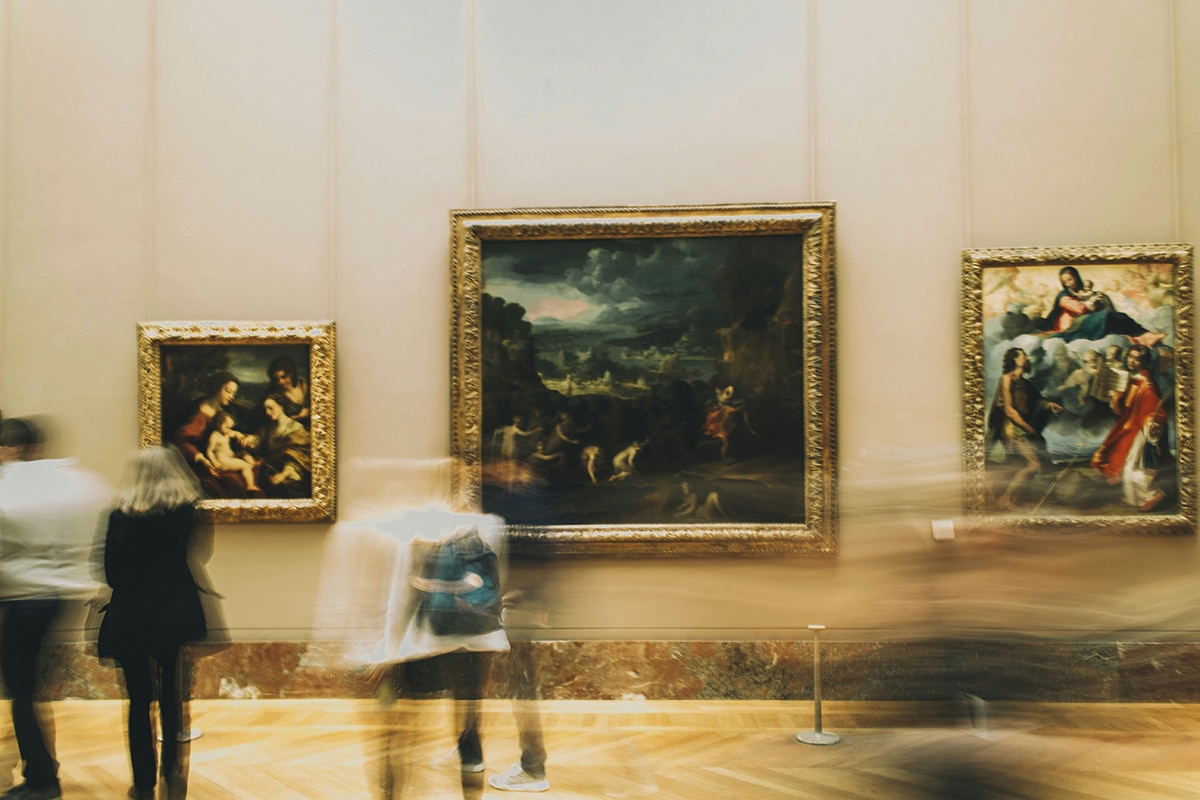
Students often think of art history as a list of names and dates. However, art history isn’t over—it’s an ongoing conversation. Artists borrow, layer, and transform traditions from the past to create something new. Contemporary artists continually reshape the past, making history relevant and proving that invention often begins by looking back. Let’s meet seven artists who work in clay, glass, paint, and beyond to spark curiosity and help students see history as a toolbox for their own creations.
Do you need fresh ideas for teaching the past? These seven artists are perfect to jumpstart student curiosity and creativity.
Note: Be sure to review all resources and preview all artists before determining if they are appropriate to share with your students.
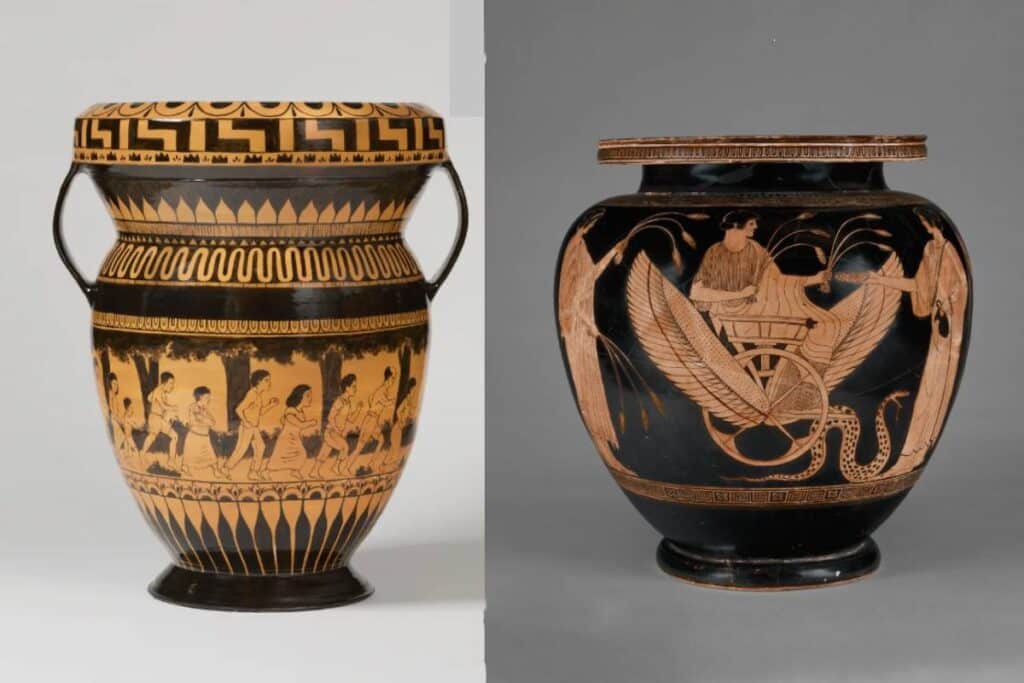
1. Roberto Lugo (Ceramics)
Roberto Lugo takes the ornate forms and sgrafitto designs of Greek pottery and infuses them with civil rights narratives, personal stories, and portraits of underrepresented figures. His work challenges traditions by replacing mythological heroes with community leaders, musicians, and activists. Lugo’s ceramics remind us that art history isn’t only about preservation. It can be about transformation and inclusion.
Classroom Connection
Design personal symbol vessels inspired by ancient Greek pottery forms, either with clay or as a two-dimensional design on paper. Use the FLEX Curriculum artist bio of Lugo to discover a bit about his work and achievements. Provide space for students to reflect on who they are and who they want to be. Brainstorm images that capture those ideals and highlight how to portray them with line and positive and negative shapes.
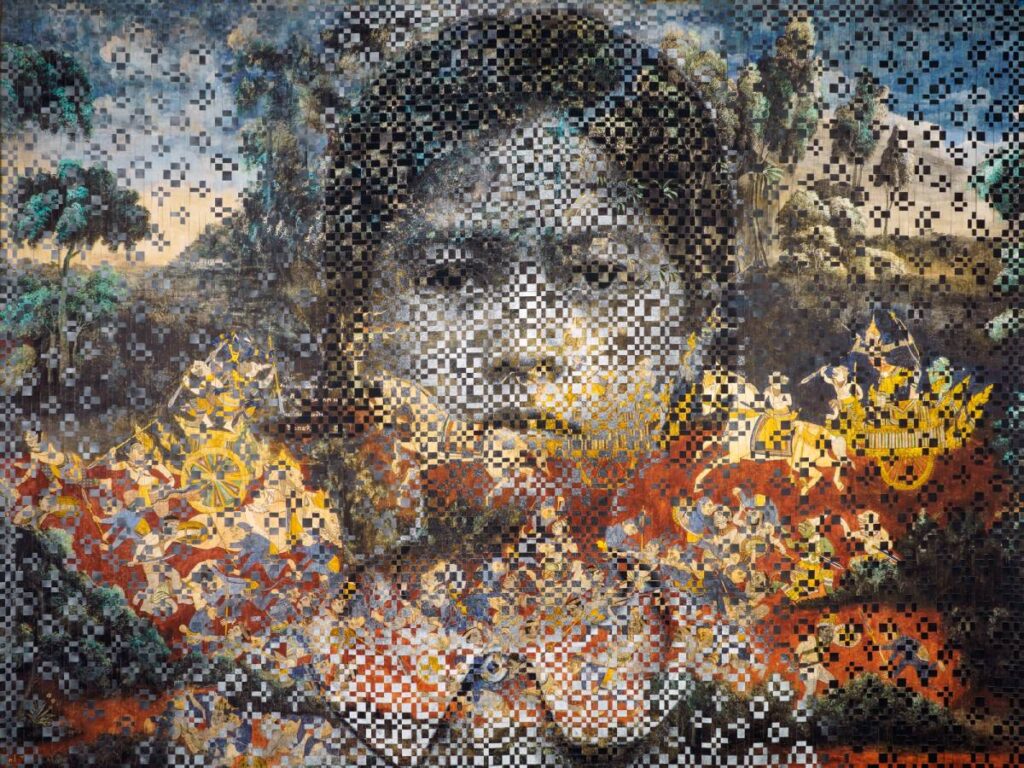
2. Dinh Q. Lê (Woven Photographs)
Dinh Q. Lê weaves together strips of photographs using traditional Vietnamese textile techniques. The result is a literal interlacing of memory, identity, and cultural history. His work investigates how to hold onto fragmented stories, whether it’s by hardship, migration, or time. The woven images blur the boundaries between personal memory and collective history.
Classroom Connection
Students weave their own printed photos or drawings with historical images to explore how personal and cultural narratives intersect. This is a great opportunity to repurpose leftover or “mistake” artwork. Use the Simple Paper Weaving Process Resource in FLEX Curriculum for clear step-by-step graphics and instructions.
3. Judith Schaechter (Stained Glass)
Judith Schaechter updates the Gothic tradition of stained glass with modern themes like grief, vulnerability, and the complexity of human emotion. Her jewel-toned panels transform craft into a vehicle for psychological storytelling. Cathedral windows celebrate saints, while Schaechter’s panels shine a light on the struggles and beauty of ordinary life.
Classroom Connection
Show students a handy timeline of the History of Stained Glass from FLEX Curriculum. Then, try acetate “stained glass” using markers and tape to explore personal storytelling through color and light.

4. Ben Fenske (Painting)
Ben Fenske paints in a loose, Impressionistic style. However, his subjects are distinctly contemporary, from backyard scenes to kitchen table still lifes. His work demonstrates that oil painting traditions can bring energy and relevance to everyday life.
Classroom Connection
Introduce the art movement with the Characteristics of Impressionism Resource in FLEX Curriculum. Try alla prima (painting in one sitting) or en plein air (painting outside) sessions with contemporary subjects. It’s a great way to practice color theory and perspective with a little element of challenge. Most importantly, it prompts students to see beauty in the mundane.

5. Jim Bachor (Mosaics)
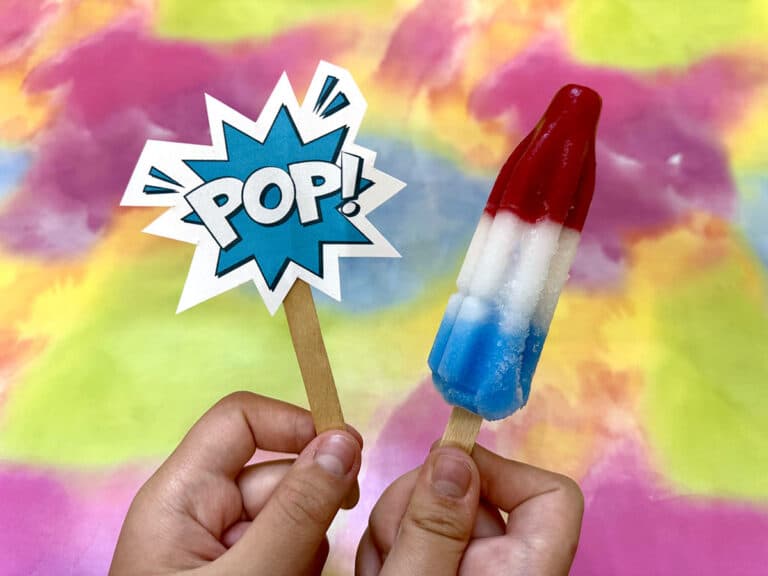
Jim Bachor takes one of the oldest art forms, mosaics, and plants it squarely in the modern urban landscape. His works appear in potholes across cities, depicting everything from popsicles to snack food labels. Bachor’s humor and ingenuity highlight the durability of mosaic as a medium and the playfulness of art in public spaces.
Classroom Connection
Provide the What Are Mosaics? Resource from FLEX Curriculum for a brief overview with explanations and images. Experiment with mosaics using painted, broken lasagna sheets, beans, or lentils to mimic tesserae. This hands-on approach makes ancient techniques accessible and fun.

6. Juliette Aristides (Painting)
Juliette Aristides is a painter and author who champions classical training. Her work and teaching merge timeless observational skills with contemporary subjects. Aristides’ work demonstrates that the discipline of drawing and painting from life is not merely nostalgic, but a way to deeply experience the present.
Classroom Connection
Practice observational skills with a still life or interior space. The Breaking Down a Still Life guide in FLEX Curriculum is a helpful tool to demystify an often intimidating process. In our fast-paced world of screens and distractions, discover how slowing down and looking closely can connect students with tradition and being present in their immediate environment.

7. Yinka Shonibare (Sculpture)
Yinka Shonibare reimagines European paintings as sculptures with vibrant African textiles. His work highlights issues of cultural hybridity, colonialism, and identity. He invites viewers to question who is represented in art history and who is left out. At the same time, Shonibare’s art is playful and visually captivating. The bold colors, dynamic poses, and familiar references pull students in right away. He shows us that art can tackle big ideas without losing its sense of fun.
Classroom Connection
Check out the When Borrowing (Copying?) Is OK Lesson Plan in FLEX Curriculum. This secondary lesson examines Shonibare’s work and challenges students to dig into the concept of appropriation. Students will reimagine an artwork to make a meaningful commentary on a social issue. Included in this lesson are an assortment of handouts, anchor charts, critique guides, and artist bios.

Artists have always looked both backward and forward. These seven contemporary voices show that art history isn’t a closed book, but a living resource. By introducing your students to artists who remix tradition, you’re not just teaching about the past; you’re giving them ways to connect their own experiences to a larger artistic conversation. Whether it’s weaving photographs, reimagining mosaics, or painting everyday life with classical techniques, these examples can spark projects that are both meaningful and engaging. Help students see that history belongs to them, too, and try introducing one of these historical references this week!
Which of these artists would resonate most with your students?
How do you currently connect art history with contemporary practice in your classroom?
To chat about hybrid art histories with other art teachers, join us in The Art of Ed Community!
Articles and podcasts are opinions of professional education contributors and do not necessarily represent the position of the Art of Education University (AOEU) or its academic offerings. Contributors use terms in the way they are most often talked about in the scope of their educational experiences.