
Art teachers know the necessity for advocacy—it’s the lifeblood of our profession. We hear about it in our undergraduate programs and at art teacher conferences. However, as much as we love teaching art, it requires a lot of time, energy, and mental power. Sometimes, taking on advocacy can feel like “one more thing,” and as a result, it won’t stick.
Advocacy doesn’t need to be anything huge. With a little mental shift, advocacy can actually help you to avoid burnout. Don’t think of advocacy as the need for validation, but as a way to share what you love. There are so many ways to start with small acts to get yourself into the right mindset.
Explore these five easy ways to advocate for the arts without burnout!
1. Focus on one grade level per month.
You may see large numbers of students and wonder how you can possibly share all of the great things they’re doing. Instead, choose one grade level to focus on each month. During that month, take progress photos of that group and share them with a wider audience.
Are you one of those teachers who forgets to pull out your phone because you’re so present during class? Set a reminder to take pictures during class time. This can be an alarm on your phone, a slide pre-embedded in your presentations, or a sticky note on your clipboard. Also, set reminders to share your photos during a future planning period so they don’t get stuck in your camera roll.
Here are three ways to share progress photos to streamline your calendar and workload:
- Elementary
Organize the photos by classroom teacher and share a link with them. Include a quick blurb about what students learned that month and ask them to include it in their next correspondence. This makes it super easy for them to add to their weekly newsletters or emails while shouting out your program. - Secondary
This can be a little trickier since classes are often mixed grades. Focus on one class period or course, and send an album link to the English teachers (who typically see all students every year) or to the professional school counselors. This is another quick way to share information with teachers who already send regular correspondence to the entire school. - Administration
Don’t be afraid to share those photos with your building or district administrators. Ask them to include it in announcements, school newsletters, and school or district websites and social media.
2. Do an “Art is…” exit ticket.
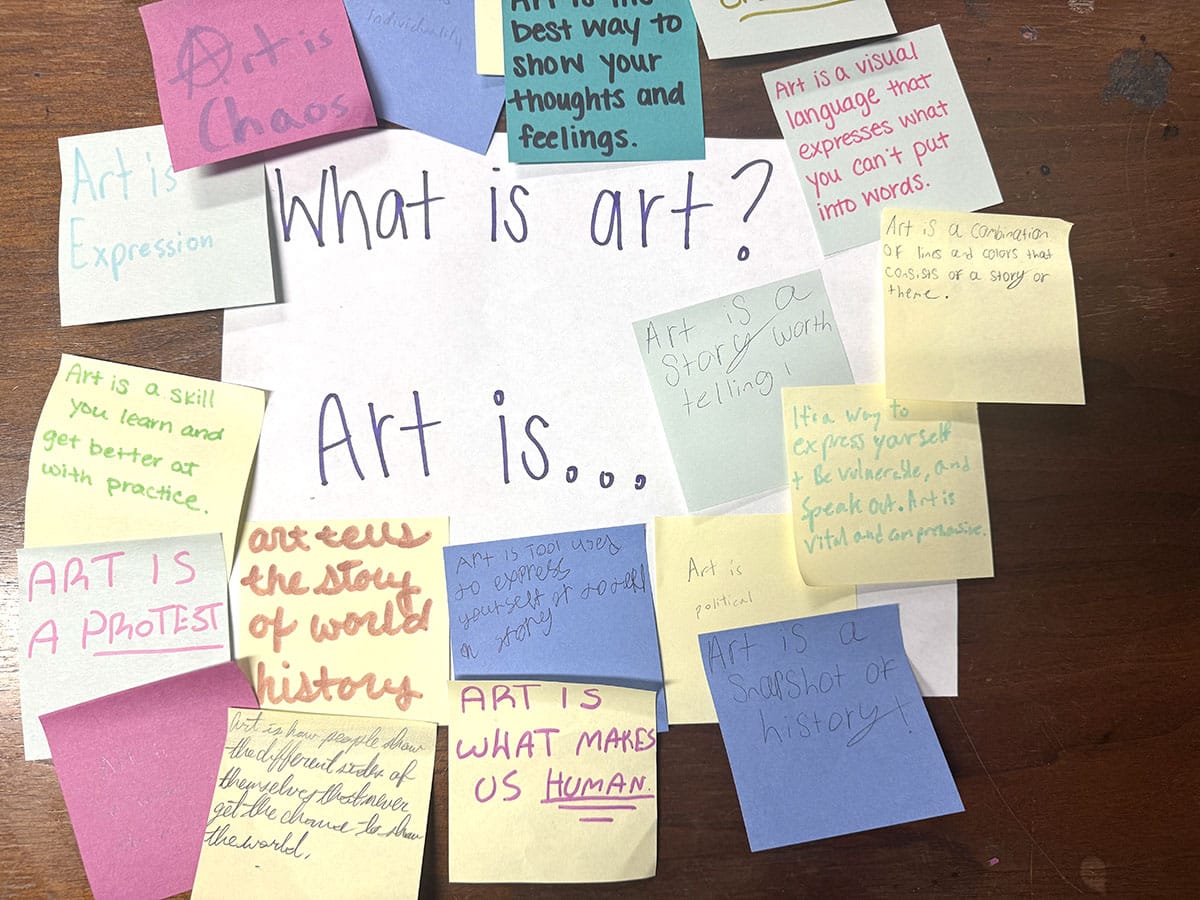
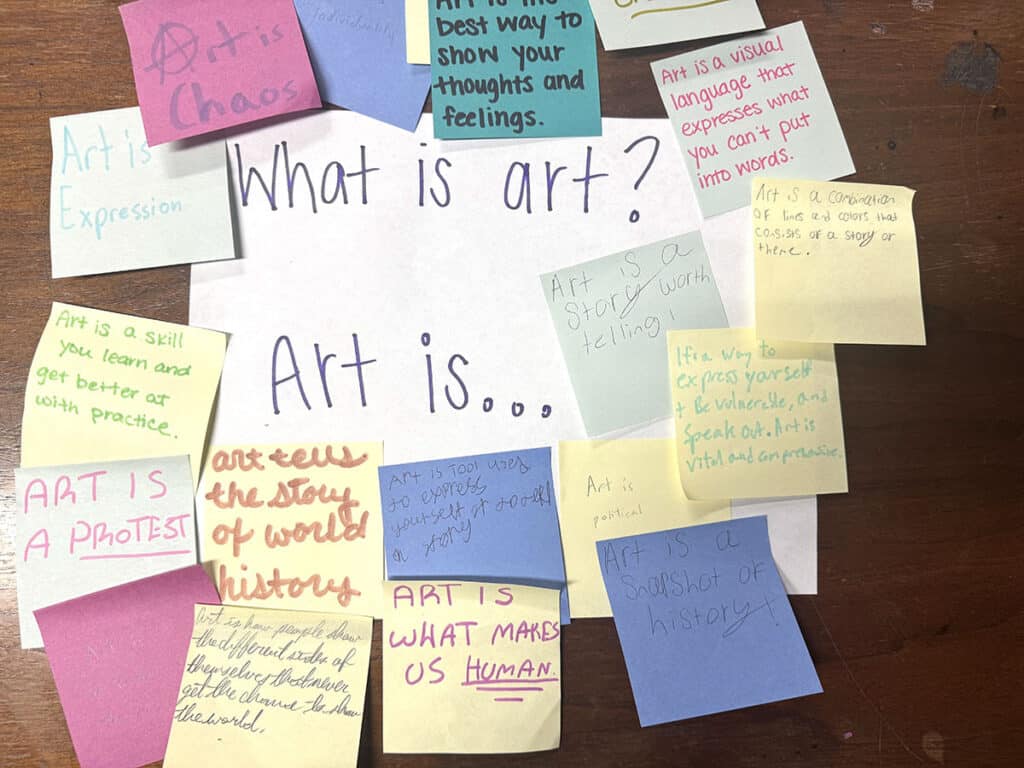
This quick exit ticket activity can transform a hallway into an advocacy display. It shares not only how important art is to the learning experience, but also how much your students adore your program. At the front of your classroom, display the prompt “Art is…” and then explain to your students that everyone has a different experience and definition of art.
Provide each grade level with a different color sticky note to write their response to the prompt. Collect the sticky notes and create a colorful advocacy display in the school. You can arrange the different colors into flowers, wings, or a simple pattern. In the middle, write a big sign that says “Art is…” to draw viewers in and read your students’ reflections.
3. Invite your administrators to visit the studio.
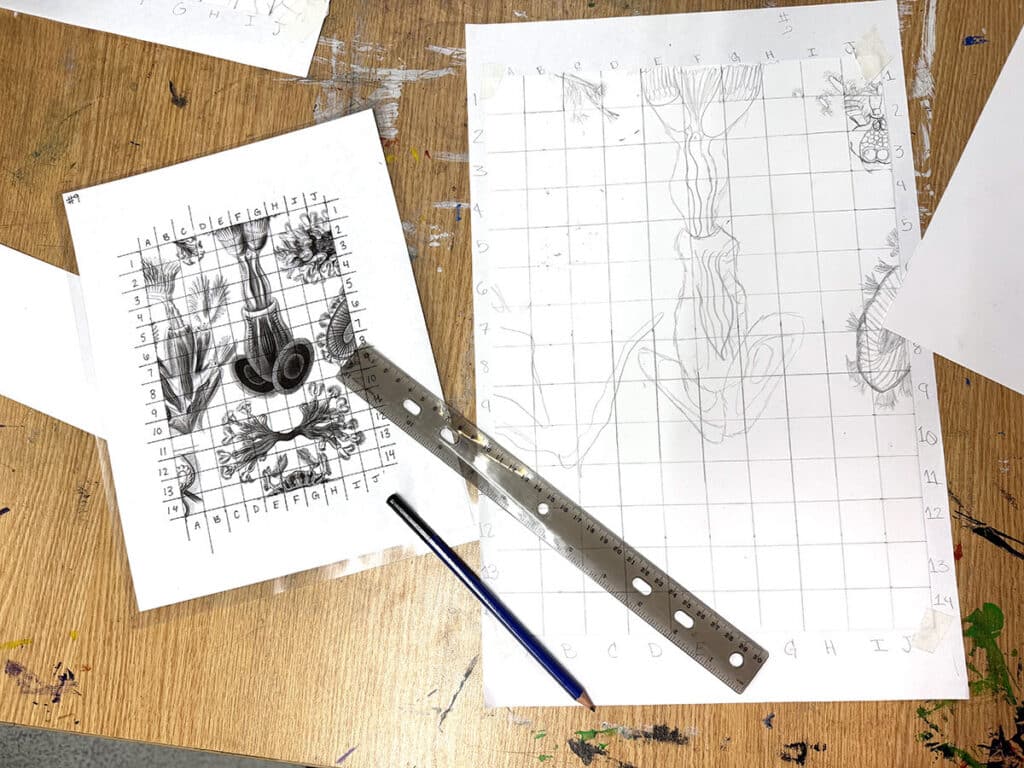
There’s no need to wait for a formal observation to show your administration your awesome teaching. Are you sharing the wonders of glazing techniques? Maybe you are making an artist connection that you know will draw your students into the lesson. Or, are your students ready to do a critique to demonstrate their analysis and communication skills? Don’t be afraid to show off the excitement and growth that happens in your room.
Use these sample emails to invite administrators into your classroom:
- Principal
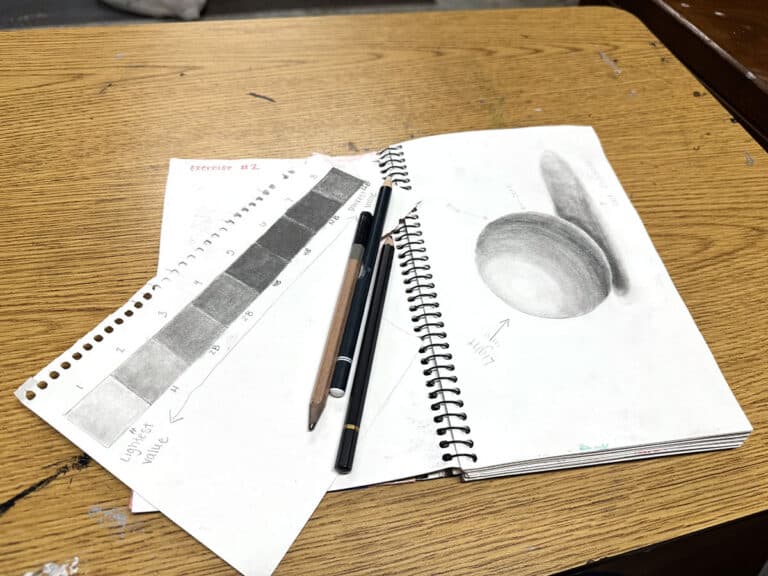
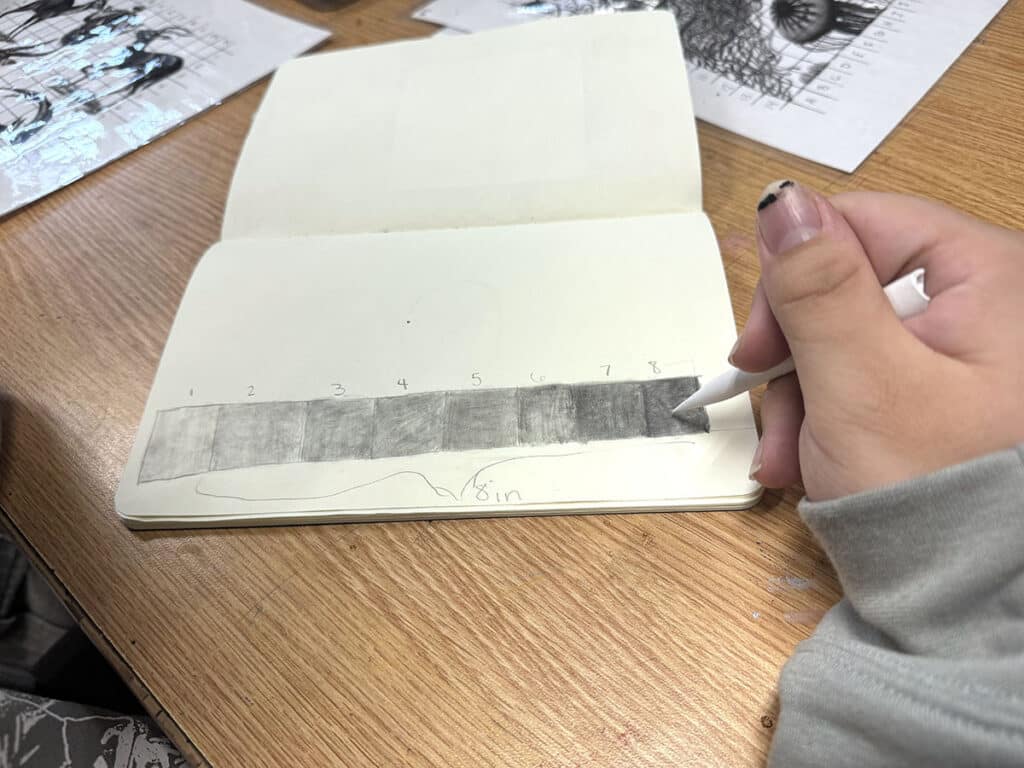
During Drawing 1 next week, students will be in the middle of developing their series topic and practicing with different value techniques. They are applying experimentation, peer critique, and revision strategies in real time. If you’re available, I’d love for you to visit on Monday from 12-1:15 and see how these skills unfold in the art room. - School Board Member
I teach visual art at [School Name], and my students are currently exploring various ways to create values in their drawing. I’d love for you to visit our classroom on Monday from 12-1:15 to see how visual art supports problem-solving, creative thinking, and communication skills. We would be honored to share our work with you. - District Leader
I am the art teacher at [School Name], and my students in Drawing 1 are currently learning how to create values using a variety of techniques. I’d love for you to visit our classroom on Monday from 12-1:15 to see how this lesson aligns with state standards. We would be honored to share our work with you.
4. Tie in an art-based career activity.
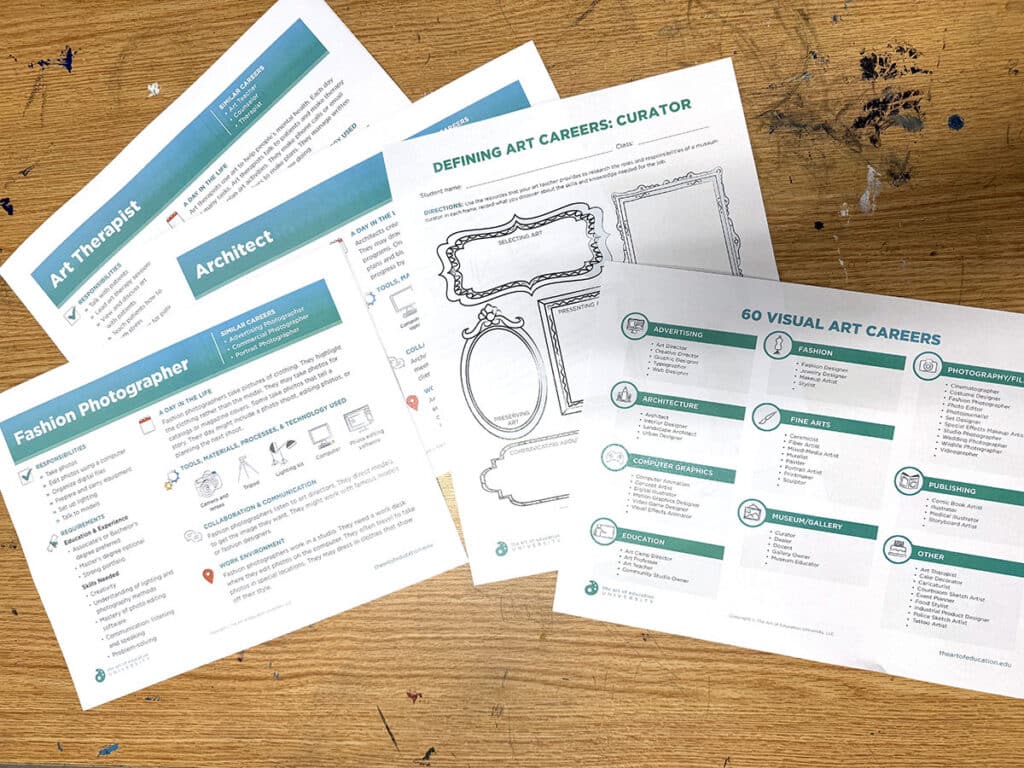
Sometimes schedules change, there’s a weird day in between units, or you’re feeling under the weather. It’s time to bring in a simple yet meaningful one-day activity! Download the list of 60 Visual Arts Careers and corresponding career resources in FLEX Curriculum for instant content. Inspire students to plan and create their own businesses based on an arts career.
As part of their plan, students will create a:
- Business name
- Logo
- Portfolio of work (thumbnails)
- Commercial or advertisement
If time allows, wrap up with a brief interview exercise. Pair them up so they take turns being the Business Owner and the New Hire. The Business Owners will interview the New Hires for their company. Provide a series of reflective questions that encourage students to draw on their art experiences from your class.
Try these reflective questions:
- What are your strengths as an artist?
- How do you develop your finished artworks?
- Give an example of an art project that did not go to plan and how you handled it.
- How do you navigate constructive criticism of your work?
- How do you manage deadlines for projects?
- What are your goals for your creative career?
5. Share a ready-to-go advocacy tool.
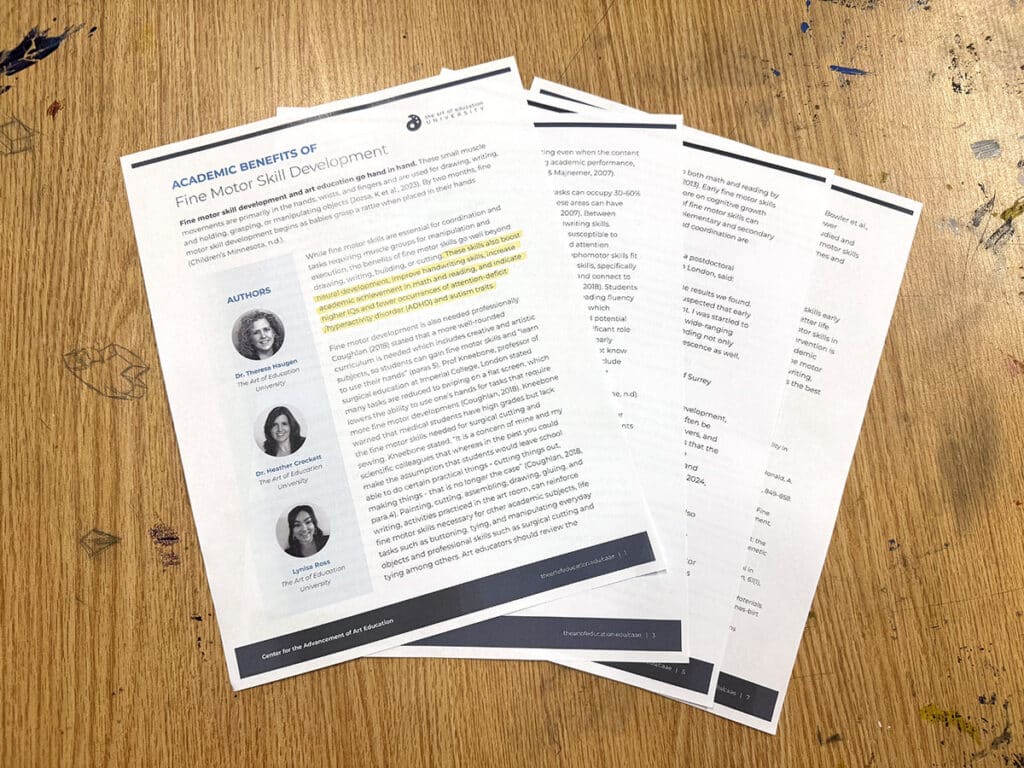
Have you ever had a parent ask what the point of art class is? Or maybe you got an email saying that they are going to cut one of your courses next year. Handling these conversations can be sensitive, so the Center for the Advancement of Art Education (CAAE) at The Art of Education University created ready-to-go advocacy tools. Give the decision-makers the data-driven information and research-based evidence they need and use the free (and easy-to-understand) resources to guide your discussions.
Get started with these three advocacy tools below:
- The Academic Benefits of Fine Motor
- The Link Between Literacy and Art
- Unique Benefits of Art Disciplines
Advocacy doesn’t have to begin with a grand initiative. In fact, lasting change often grows from small, consistent habits. A quick photo shared in a newsletter, a research article passed along to a colleague, or a simple classroom invitation can accumulate stronger visibility over time. You can gradually shift how others see and value your program in a sustainable way!
What’s one idea above that you can manage?
How has advocacy energized your teaching?
To chat about advocacy with other art teachers, join us in The Art of Ed Community!
Magazine articles and podcasts are opinions of professional education contributors and do not necessarily represent the position of the Art of Education University (AOEU) or its academic offerings. Contributors use terms in the way they are most often talked about in the scope of their educational experiences.