
Summer is such a sweet time for art teachers! It’s a chance to breathe, relax—and go to the bathroom whenever you want. There’s also more time to get some creative baking in and satisfy not only your sweet tooth, but your inner art history nerd. Revel in your summer break with a quirky, artsy dessert by your side.
Treat yourself with these three art history-inspired desserts.
Don’t think that when summer ends, the sweet rewards need to end, too! Bring both a sugar rush and a rush of creative energy to you and your students with these snacks. It’s a fun way to expose future students, family members, or summer campers to famous artists in a memorable way.
Note: Adhere to your district and school’s food and allergy guidelines. If you notice a student who appears hungry or is experiencing food insecurity, promptly reach out to your administrator and professional school counselor to ensure the student receives support and resources.
1. Magritte-loaf Muffins
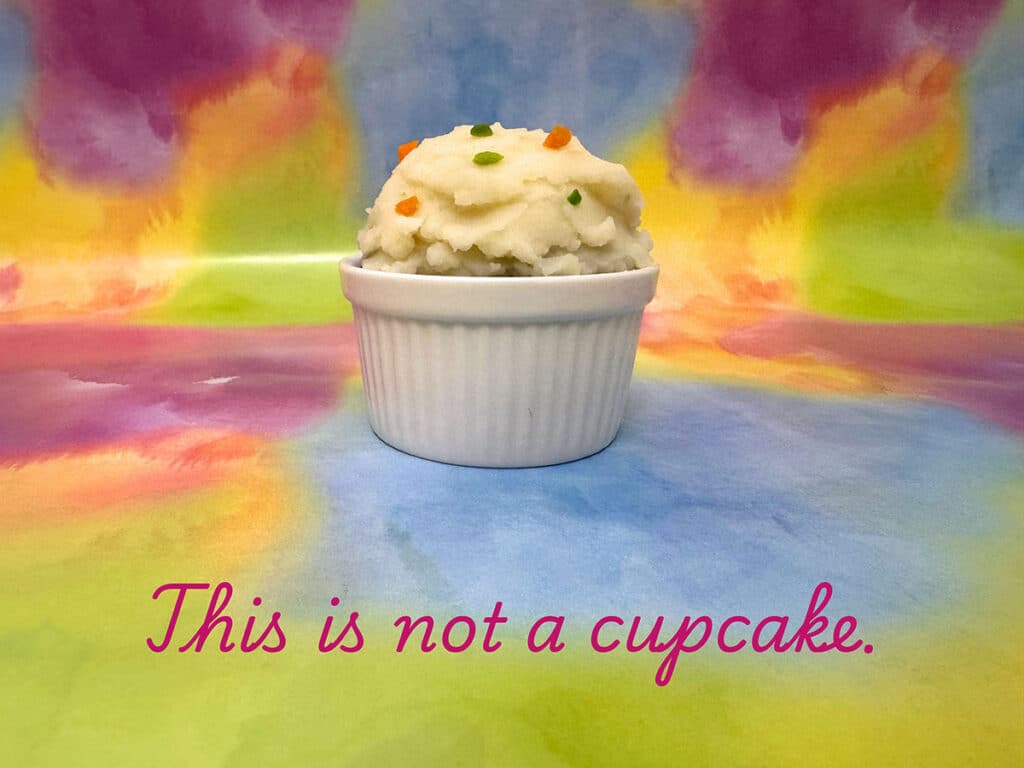
This is not a cupcake.
No, really.
This is NOT a cupcake.
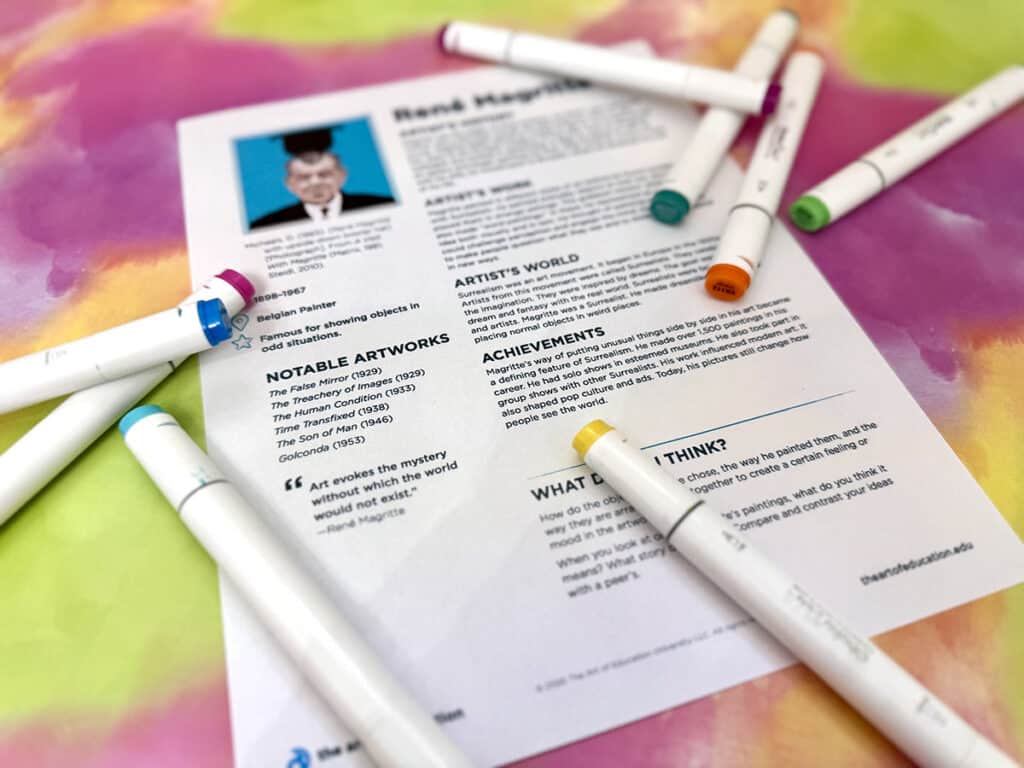
This is a cup-FAKE that gives a savory nod to the Surrealist, René Magritte. Magritte is perhaps best known for his painting The Treachery of Images, which challenges our perception of reality. It prompts us to think more deeply about text, images, and real objects. However, in this case, this “sweet” treat is literally not a dessert.
Take your favorite meatloaf recipe and press it into cupcake liners. Bake for about half the time your meatloaf calls for, checking frequently so it doesn’t overcook. “Frost” liberally with whipped potatoes and garnish with finely chopped pea and carrot “sprinkles!”
Treat your students to these sweet FLEX Resources:
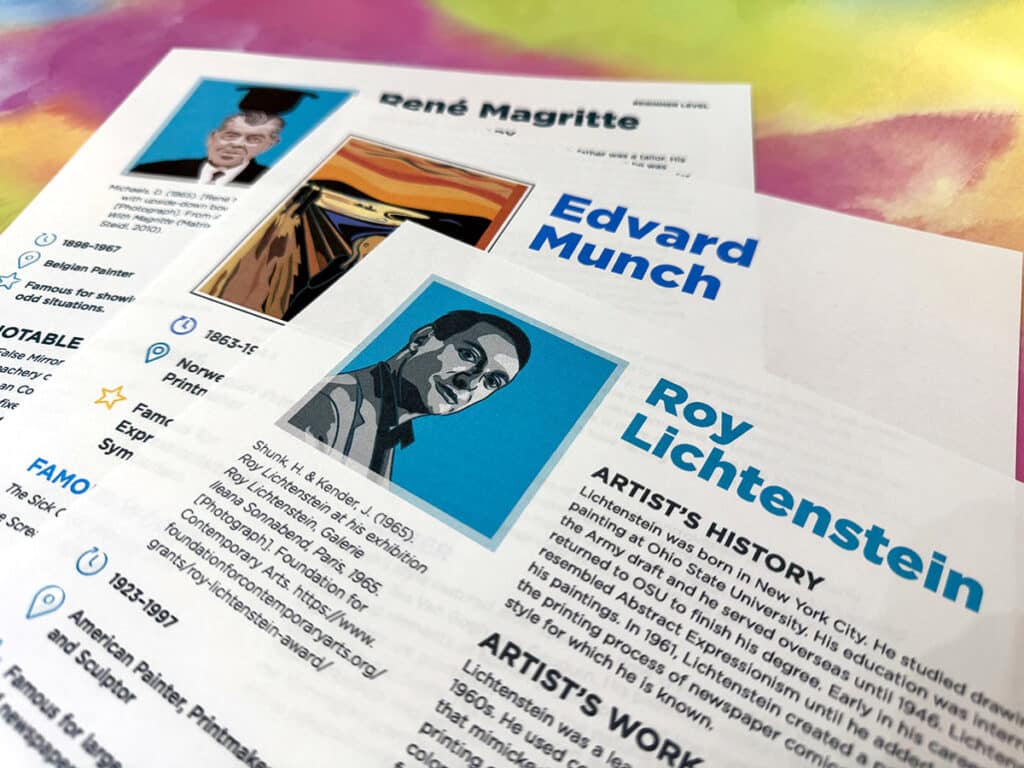
- René Magritte Artist Bio
- René Magritte: Int/Adv Artist Bio
- What Is Surrealism? Resource
- Surrealism Research Guide Resource
2. Edvard Munch-kins
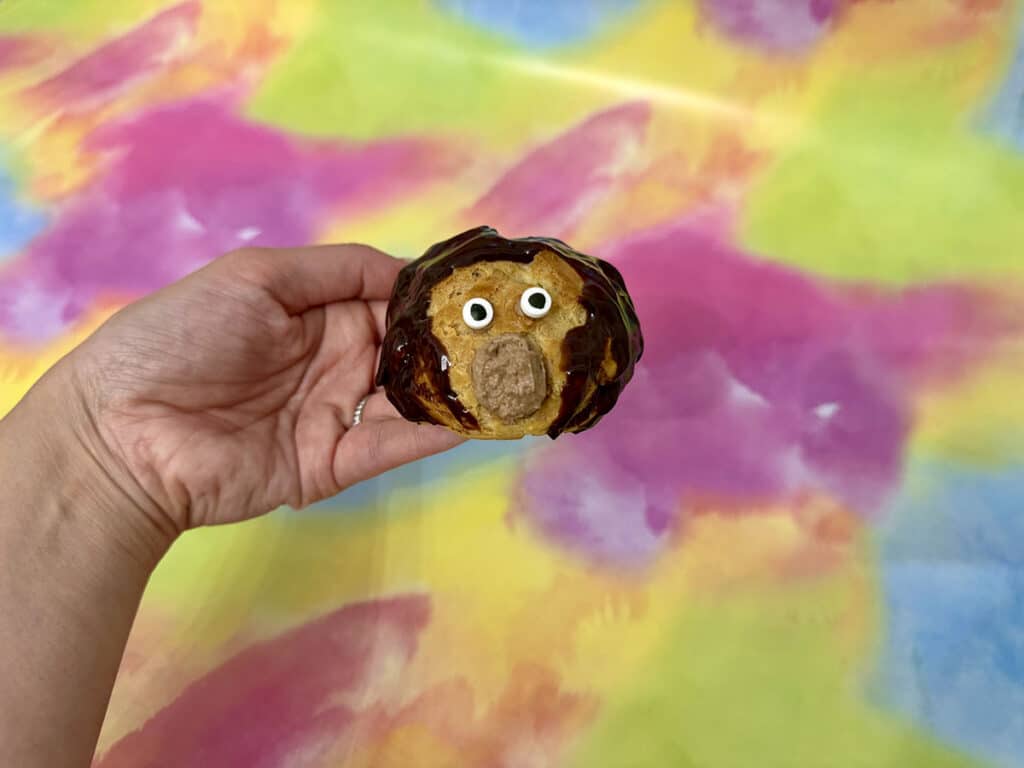
We see Edvard Munch’s The Scream everywhere! From the popular emoji to the Ghostface mask from the horror movie, this iconic painting has infiltrated our culture. Bring the same huge burst of emotional intensity to tiny pastries. A personal favorite in our household is a Choux pastry (Pâte à choux). This dough is the base of desserts like cream puffs, churros, and eclairs. Fill with a decadent yet silent chocolate “s-cream” for a little bit of extra Munch madness.
Treat your students to these sweet FLEX Resources:
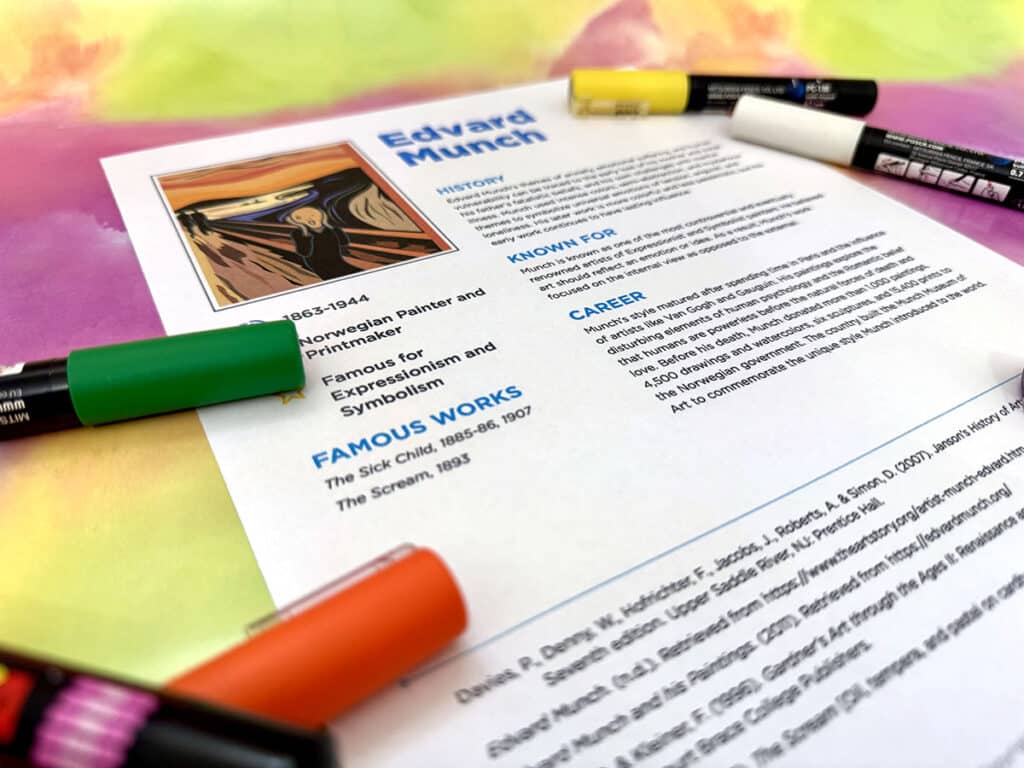
- Edvard Munch Artist Bio
- Emotions vs. Expression Resource
- Feelings, Moods, and Emotions Resource
Incorporating art history in your own life and in your curriculum boosts critical thinking skills, art awareness, and art appreciation. Doing so through tasty treats creates meaningful connections, fun memories, and introduces students to compelling and relevant artists.
For more creative strategies to incorporate art history into your curriculum, watch these two PRO Learning Packs:
3. Lick-tenstein Ice Pops
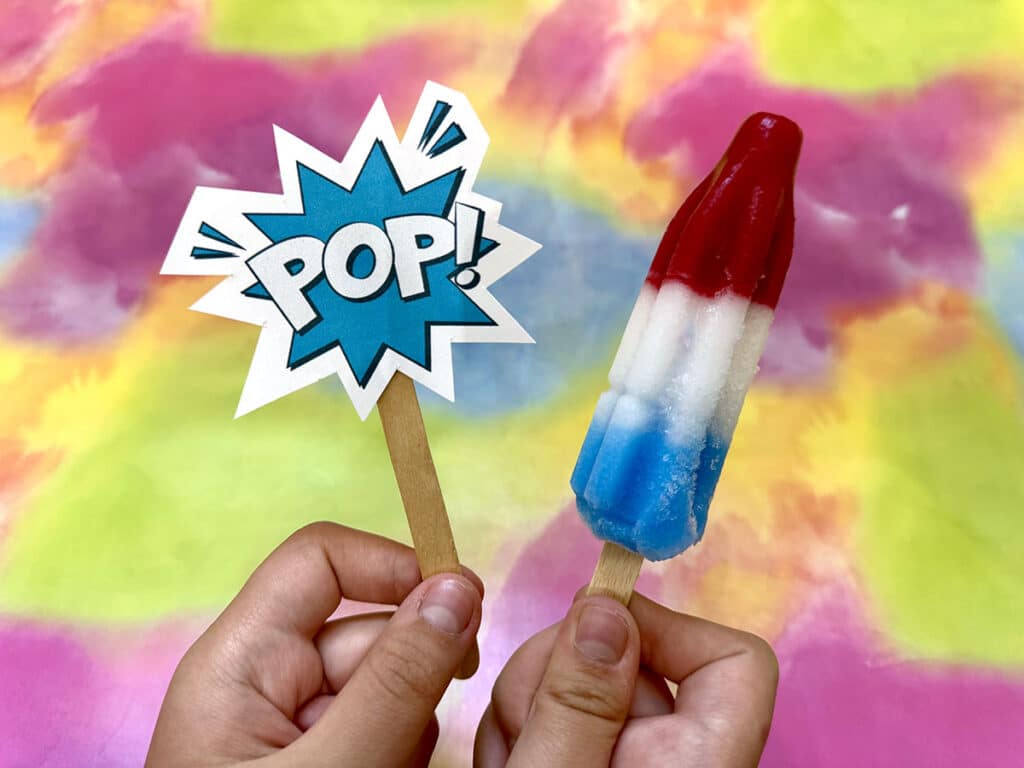
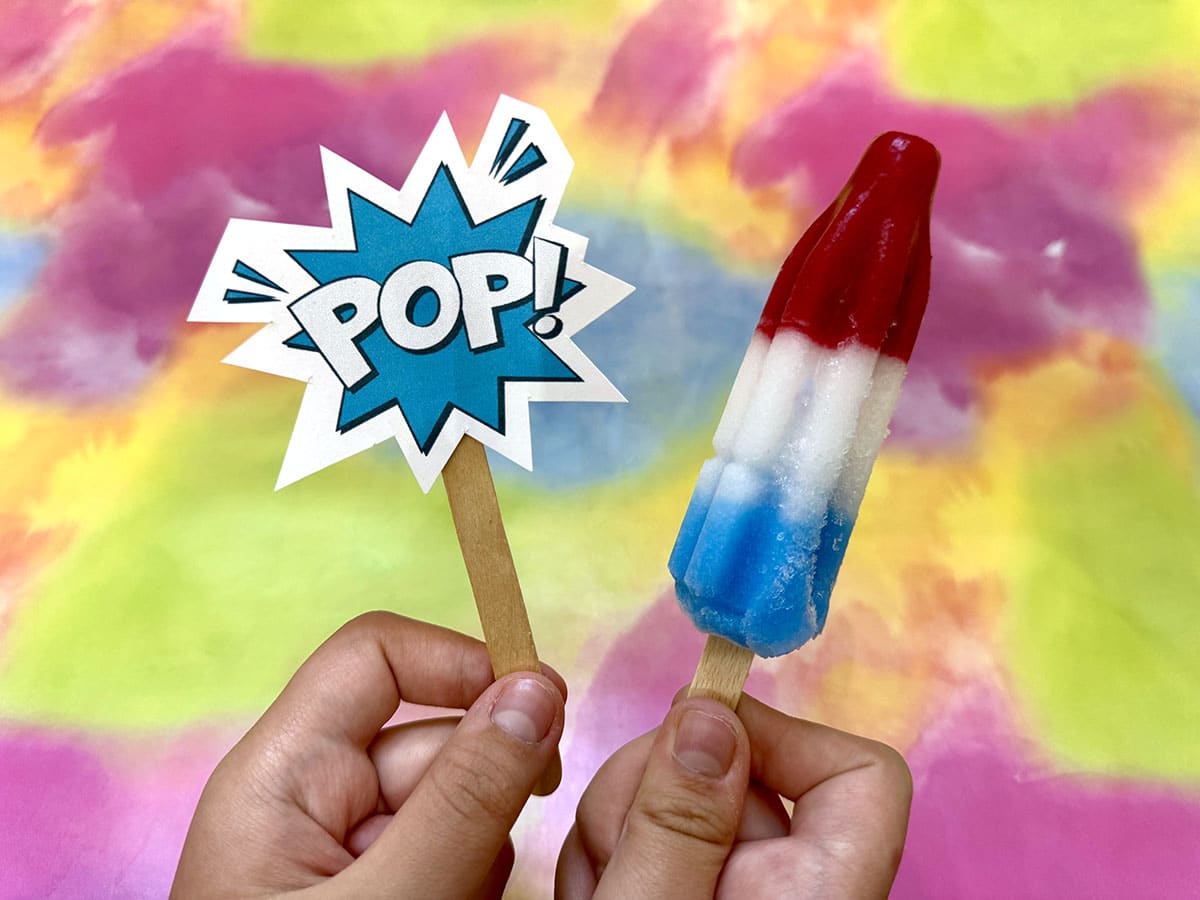
Cool down over the next couple of months with the ultimate refreshing sweet treat: the classic ice pop. The bold flavor pops of cherry, lime, and blue raspberry will have you proclaiming “SLURP!” and “MMM!” Brainstorm other fun onomatopoeias and provide little speech balloons to write them on. Whether you make your own ice pops with fun molds or purchase them from the store, this snack tastes like summer, Pop Art, and comic books.
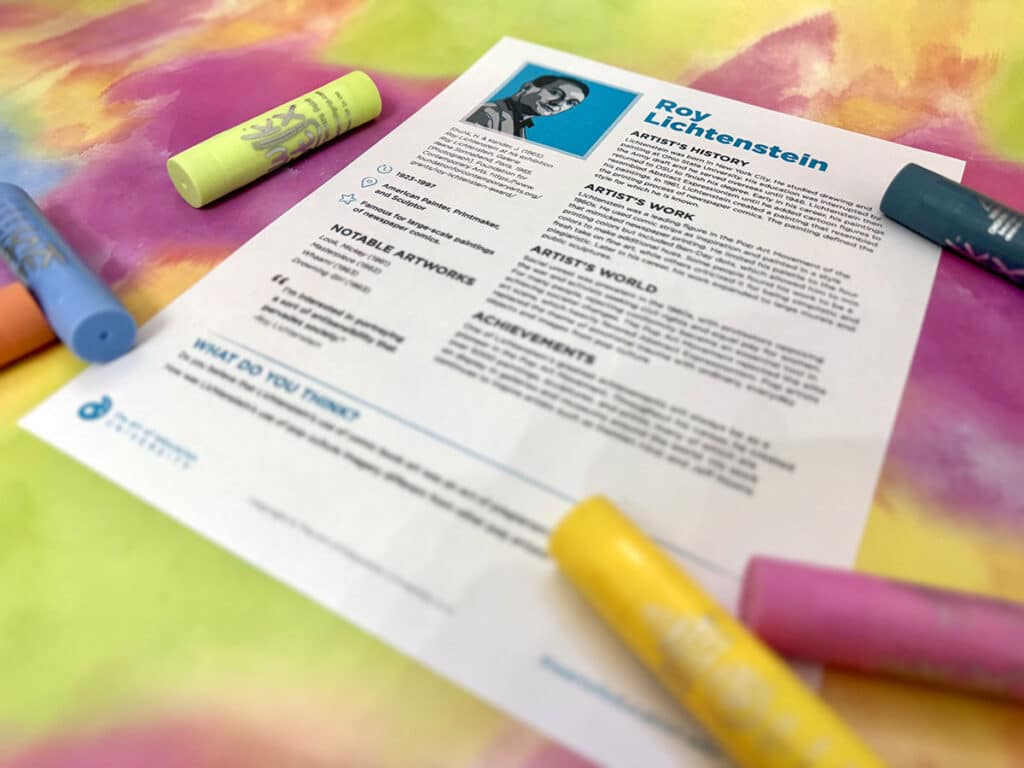
Treat your students to these sweet FLEX Resources:
- Roy Lichtenstein Artist Bio
- What is Pop Art? Video
- The 5 W’s of Pop Art Resource
- Cartoon Action Bubbles Resource
From savory cup-fakes and screaming pastries to frozen desserts that pack a POP, art history has never tasted so good. Grab one of the ideas above to treat yourself solo this summer or share the sweetness with students, family, or campers. These three confections prove that creativity belongs in the kitchen just as much as the art room and that the most important ingredient of any great work is a little imagination!
What’s your favorite artsy dessert?
How do you make art history fun for your students?
To chat about sweet art-themed treats with other art teachers, join us in The Art of Ed Community!
Magazine articles and podcasts are opinions of professional education contributors and do not necessarily represent the position of the Art of Education University (AOEU) or its academic offerings. Contributors use terms in the way they are most often talked about in the scope of their educational experiences.