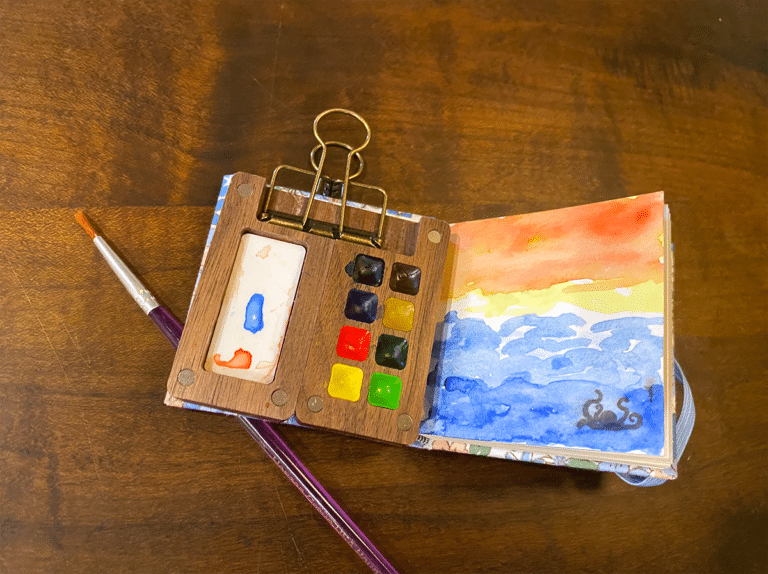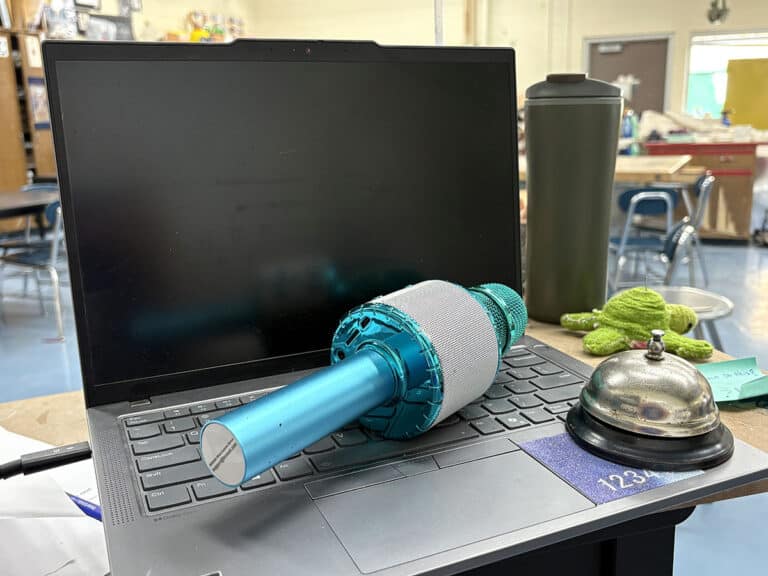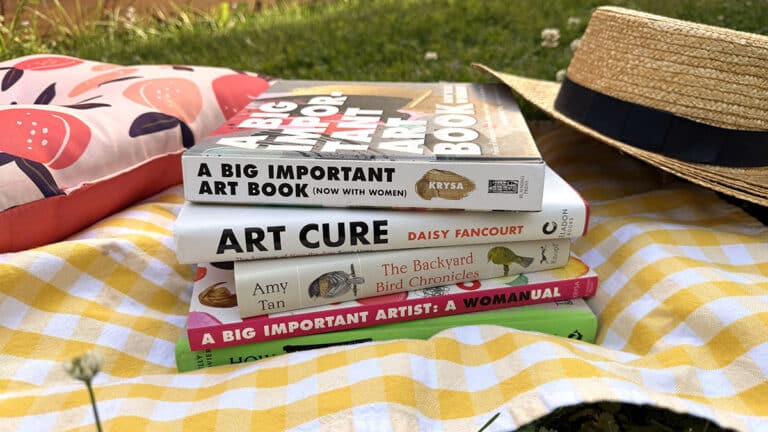


Everywhere you look, there are examples of perfect-looking art rooms, art projects, and artsy outfits. While these can be great sources of inspiration, it’s helpful to balance these pictures with reality: messes, “failed” artworks, behavior challenges, and ruined clothes. Seeing social media highlights without the behind-the-scenes grit can make it difficult to recognize our own wins and strengths. The key to making art education a sustainable and healthy career is to break the stereotype and celebrate what makes you uniquely you!
Use these four simple steps to become the art teacher your students need this year: your most authentic YOU!
1. Embrace being a role model.
Being a teacher doesn’t just mean transferring knowledge and building skills; it also means you are a role model for your students. They can look to you for a picture of what it would take to make art a passion and a career. Be someone they can trust to ask for advice and share challenges and celebrations with. Being a role model doesn’t mean you’re perfect—it means you always strive to do your best and take ownership of your growth.
Be a positive role model for your students with these reminders:
- Teach with authenticity
- Let students see your sense of humor and unique style
- Balance constructive criticism with positive reinforcement
- Focus on the growth process instead of a perfect outcome
- Think before you speak, and know it’s okay to pause to find the right words
- Share your successes and failures, as well as things you are learning
- Talk about mutual hobbies and interests
- Create an art room that reflects you and is fun to be in!
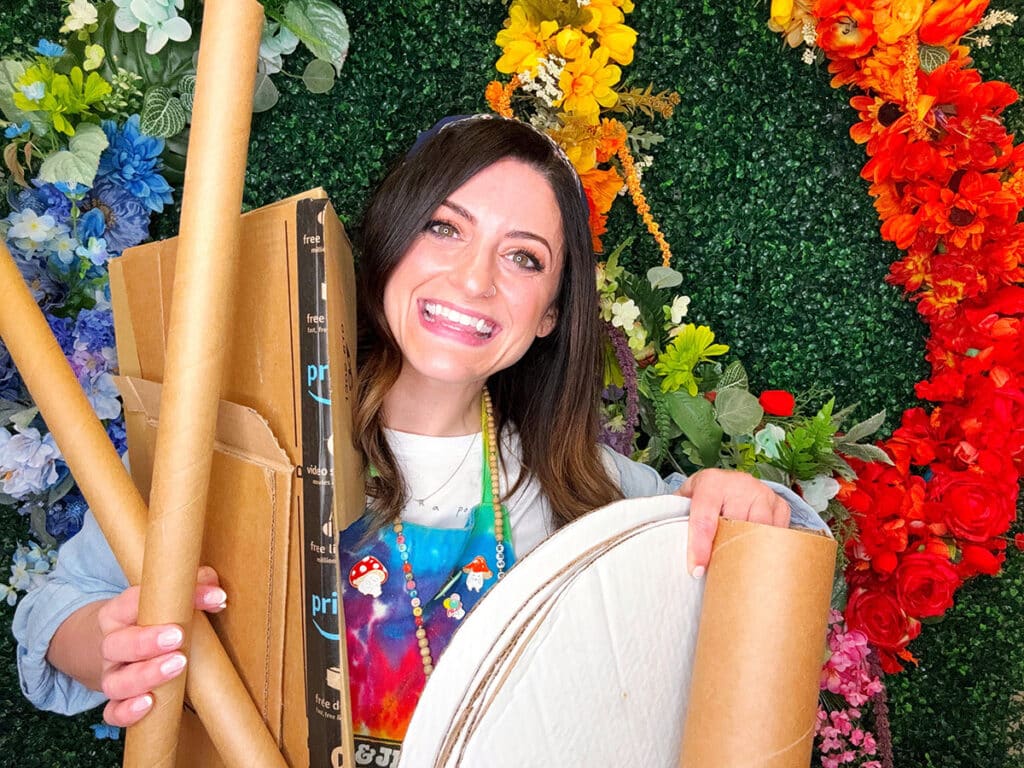
2. Understand your strengths and weaknesses.
Art teachers are great at instruction, classroom management, and supply organization. They’re also proficient at a range of art materials and can break down how to use each to a room full of students. While we have quite an extensive knowledge base, we can’t possibly be passionate experts of every medium, artist, movement, and tool. It’s natural to structure your room, curriculum, and instructional techniques based on your strengths.
Great leaders are aware of their blind spots, and great teachers are lifelong learners. It’s healthy to ask for and reflect on feedback so you can continue to grow and improve. Share with students what you’re working on, whether that’s verbally when you’re talking about weekend plans or physically by showing them a “not so great” attempt at a new art form.
Lean into growth with these ideas:
- Compile a priority list and set reasonable, realistic goals
- Create routines or stack habits
- Reach out to other art teachers who are good at what you are trying to do
- Write as many reminders as you need until it sticks
- Try out several different methods until you find one that works for you
- Be patient and remember that things get easier with time
- Make your own reward system (such as order a fun lunch on Friday or buy a new art supply)
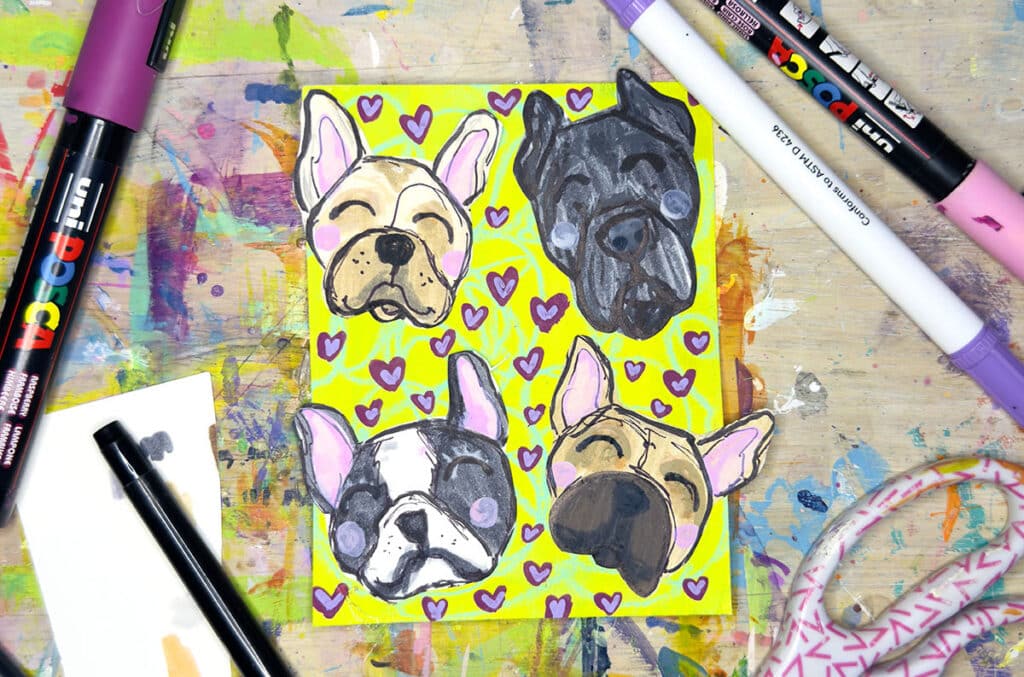
3. Reflect on your achievements.
If you don’t look backward once in a while, you won’t see how far you have come! We tend to compare “up” and look to others to see what we don’t have more often than we compare “down.” Taking time to remember where you used to be can foster a sense of pride for your grit and discipline, and gratitude for those who helped you along the way.
Once you’ve identified your recent accomplishments, look for ways to help other art teachers facing those same hurdles. There’s nothing better than walking with someone as they embrace a challenge and reminding them of the light at the end of the tunnel. Sharing your experiences and newfound wisdom will give you a deep sense of fulfillment and purpose and will set the example for your students on how to cheer on their peers, too.
Look for wins in these teaching areas:
- New lesson plans and activities
- Instructional methods
- Classroom management
- Student achievement
- Skill-building and proficiency with media, processes, and tools
- Building requirements (such as attendance, email, goals, and data)
- Room organization
- Parent communication
- Work/life balance
4. Be patient.
Just as an artist’s style changes over time, so might your teaching style and curriculum. New art teachers are often full of optimism and energy and willing to try new things. As you gain experience, confidence, and knowledge each year, you may lose a little spark and motivation. As you change and grow, you may need to find new techniques or routines that work for the current version of you. Every stage of being an art teacher is a great one, so it is important to take time and appreciate where you are now.
Keep these tips in mind through changes:
- Maintain what works, and know it’s okay to change what doesn’t
- Listen to advice, but make it your own
- Budget for ways to learn your craft and love your job (such as museum trips, courses, or a new degree)
- Stay up-to-date with current art trends and the art world
- Surround yourself with art teachers who still enjoy teaching
- Show your students changes and new developments in your artwork and curriculum

There are all types of art teachers out there, but there is only one you! You are exactly the art teacher your students want and need. Instead of trying to be the ultimate art teacher, lean into what you’re good at, reflect on your accomplishments, and own your growth. Create an art room environment, teaching methodology, and curriculum that captures your style and passions. When you accept who you are and celebrate your wins, your students will do the same in their own lives and artwork.
How are you still growing as an art teacher?
What is one quirky thing about you that your students appreciate?
To chat about being uniquely you with other art teachers, join us in The Art of Ed Community!
Magazine articles and podcasts are opinions of professional education contributors and do not necessarily represent the position of the Art of Education University (AOEU) or its academic offerings. Contributors use terms in the way they are most often talked about in the scope of their educational experiences.