
We all want our students to walk away from our class loving art and able to recognize iconic pieces. But how do we get there with an already packed curriculum? Using a set art history routine at the beginning of each period not only creates a sense of stability and predictability but also infuses artists and key works into every single class. This is a designated time each day to guide students through visual literacy skills—looking at and talking about one art piece in different ways throughout the week.
Check out these weekly routines to build art history into your classroom culture.
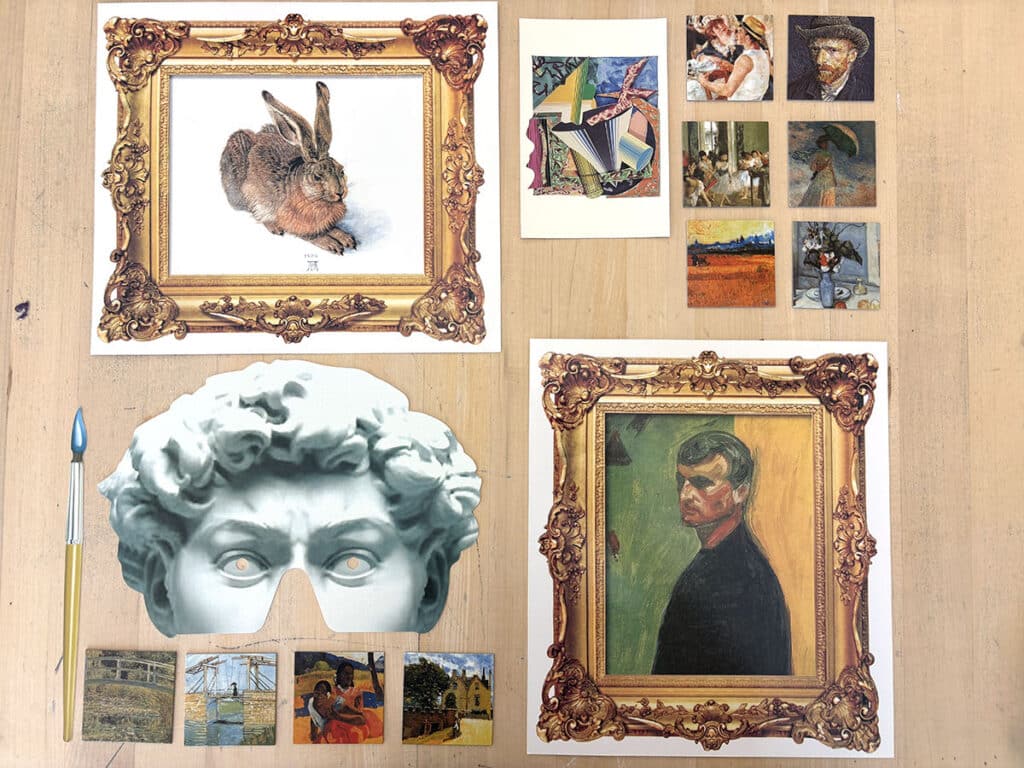
Monday: Read the Label
Many students can recognize really iconic artworks, but they don’t know any identifying details. Create space for them to discover pertinent information, such as who made the artwork, what it’s called, where it’s located, when it was made, and what materials/medium it’s made of. Discuss what a title is and how it can contribute to the meaning. It’s also helpful to review the terms medium and media, along with examples of each.
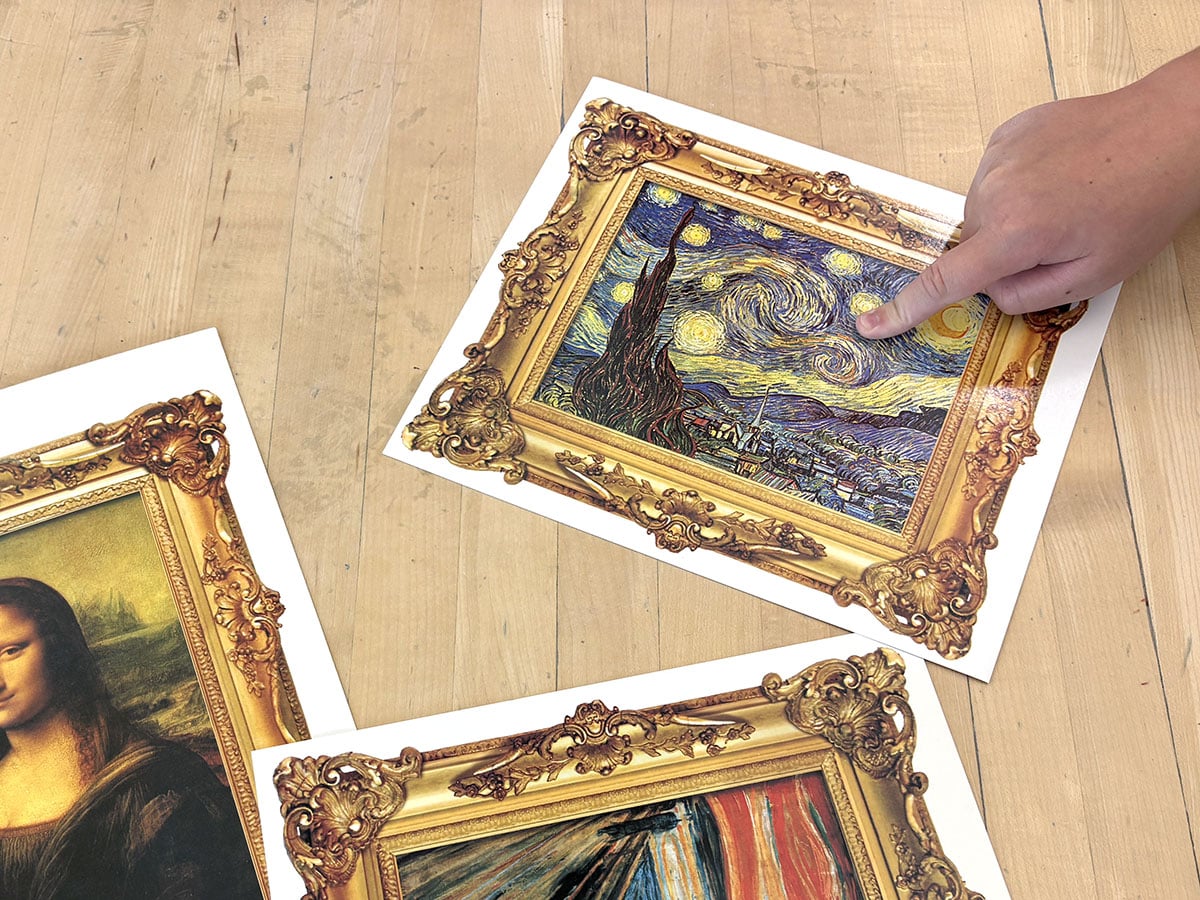
Start class by projecting an artwork or posting a large reproduction and its information. Students will copy down the details in their sketchbooks or on the Museum Label Reflection sheet from FLEX Curriculum. This simple exercise teaches students that artists deserve recognition for their work and that decisions like the title and medium are important. Additionally, doing this activity early helps build a foundation for understanding copyright and respecting others’ ideas.
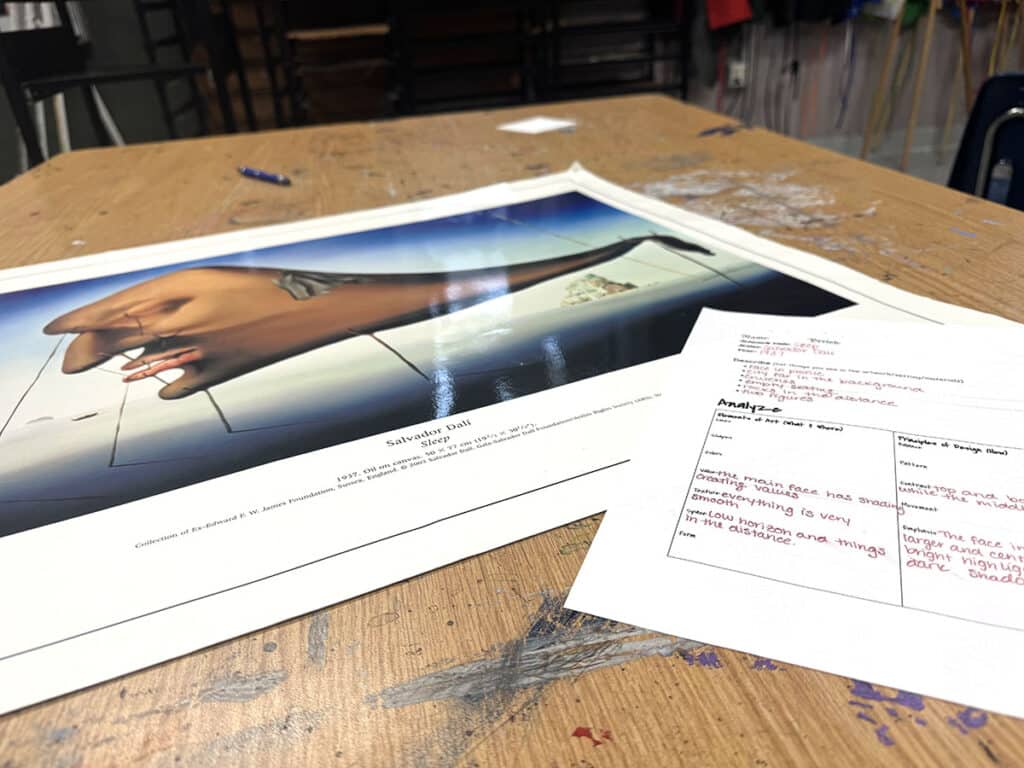
Tuesday: Spot the Elements
A scavenger hunt to identify the Elements of Art and Principles of Design establishes that careful observation is a core value in your classroom. When students are just starting out, focus on one or two Elements and/or Principles at a time, and gradually introduce more. In their sketchbooks, students can list their findings or draw a rough sketch of the artwork and annotate it. If resources allow, you can also print out reproductions for the students to glue into their sketchbooks.
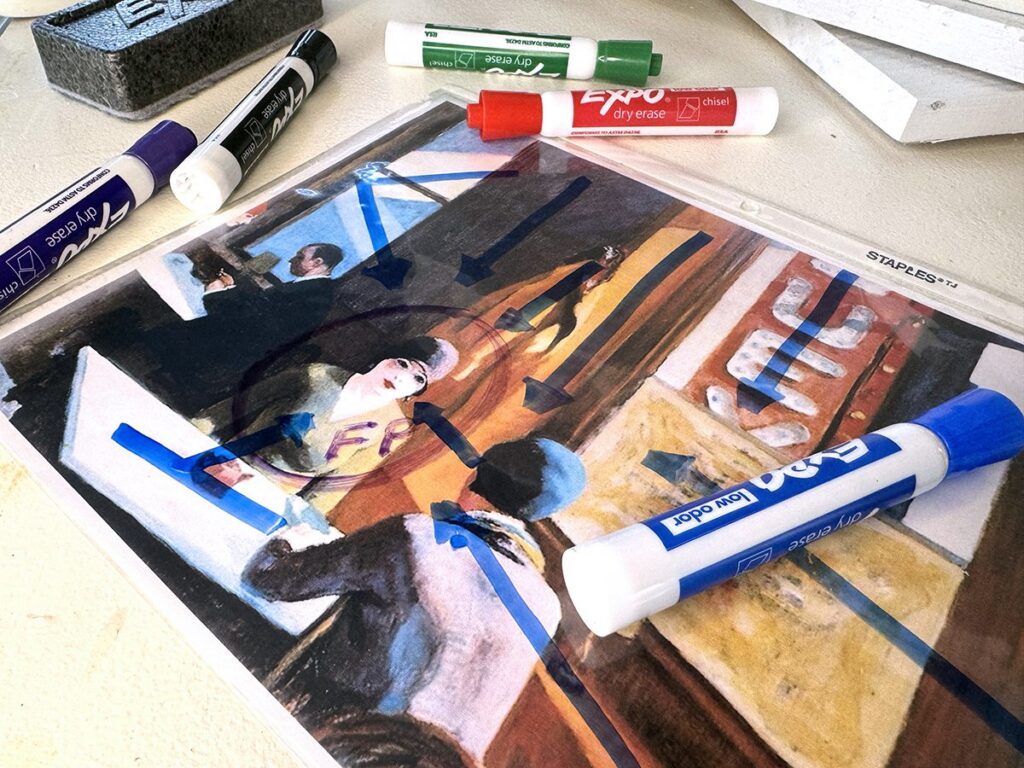
Wednesday: Interpret the Story
In this routine, students continue to use the powerful skill of observation—with a little inference, too. One fun way to do this is to have students generate three questions they have about the artwork. They can then answer their own questions or answer a partner’s questions. Just be sure that the answers include evidence from the artwork! Use the FLEX handout How to Interpret a Work of Art to guide responses. If time permits, invite students to share their interpretations to foster a culture that welcomes multiple perspectives.
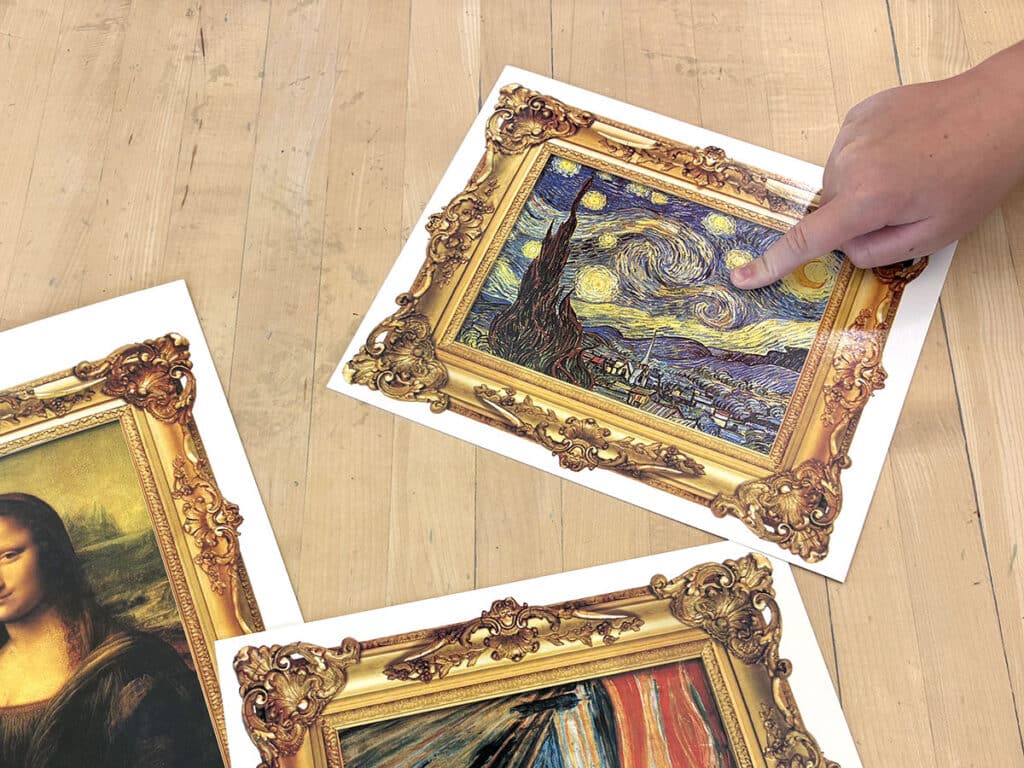
Thursday: Compare and Contrast the Art
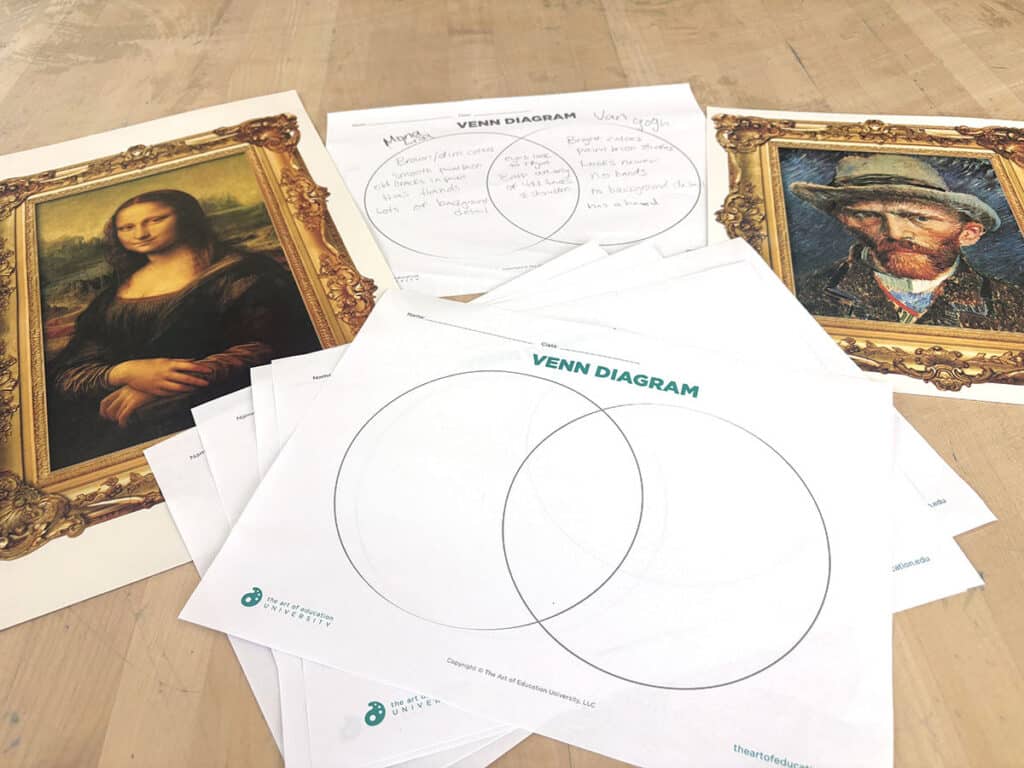
Bring in another artwork: it can be from the previous week, by the same artist, made with the same materials, or a rendition of the same subject matter. Students draw a Venn diagram or use the FLEX Venn Diagram graphic organizer to compare and contrast the two pieces. This can be an open-ended activity where students find similarities and differences of their choice, or you can provide prompts to boost their critical thinking.
Try these prompts:
- Compare and contrast the subject matter.
- Compare and contrast a specific Element of Art.
- Compare and contrast the stylistic choices.
- Compare and contrast the composition.
- Compare and contrast the symbolism.
Friday: Meet the Artist
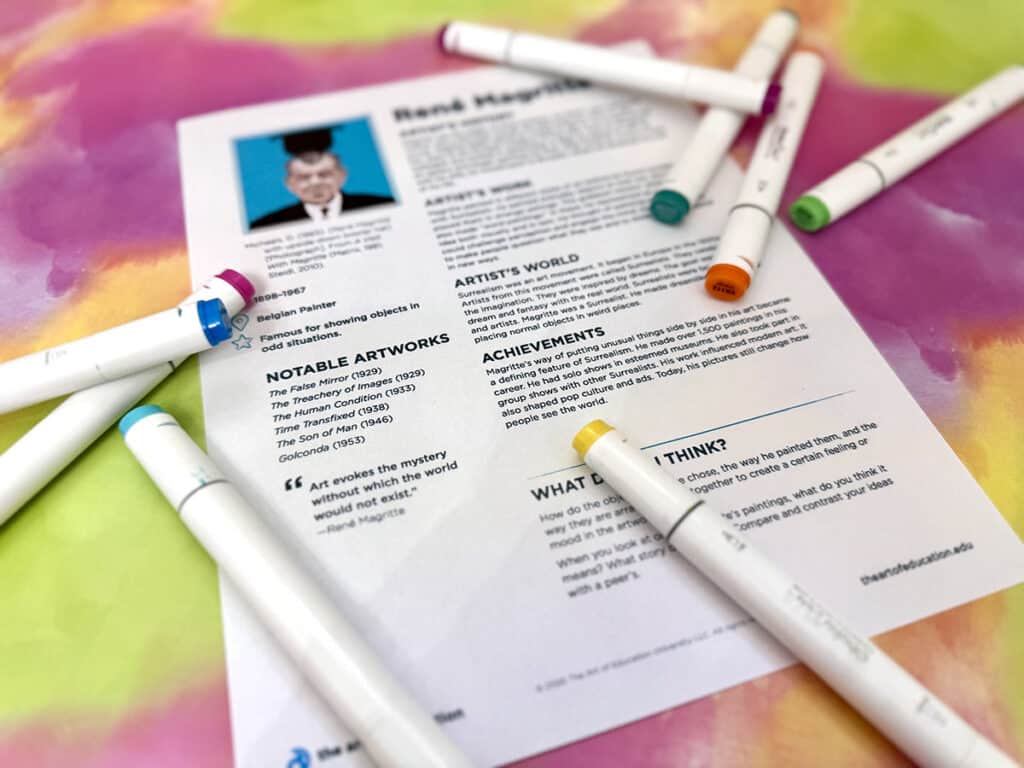
We wouldn’t have the amazing artwork we do without the incredible artists behind it. Give your students a short written passage to read about an artist. This shows students that artists are real people who come from many different places, backgrounds, and perspectives. Students can record one interesting fact they learned or take visual notes with sketchnoting techniques.
Finding school-appropriate, cited resources can be challenging, so save your art teacher energy by browsing the vast FLEX archive of Artist Bios. Each Artist Bio features a short bio, notable artworks, a famous quote, and a graphic of the artist or one of their works. Most Artist Bios feature two reading levels, and the Artist Bio Toolkit unlocks fresh ways to maximize these resources in your curriculum.
Students typically don’t learn to appreciate art history from a single lesson. A consistent daily routine helps them to read labels, identify the Elements and Principles, interpret meaning, compare artistic choices, and explore the lives of the artists behind them. By dedicating a few minutes to art history each day, you can build students’ visual literacy skills and confidence, and shape the culture of your art room.
What is one art history routine you use in your classroom on a regular basis?
Who are your favorite artists to share with your students?
To chat about art history routines with other art teachers, join us in The Art of Ed Community!
Articles and podcasts are opinions of professional education contributors and do not necessarily represent the position of the Art of Education University (AOEU) or its academic offerings. Contributors use terms in the way they are most often talked about in the scope of their educational experiences.