
As an art teacher, you’re a leader for your students—you guide their learning, advocate for their needs, and ensure they have access to art every single day. Why not bring that art leadership skillset into the community and open up new opportunities for everyone? Visual art education matters, and what you do every day really makes a difference in your students’ lives. It’s time to extend that sense of purpose beyond the four walls of your studio.
Take your skills outside of the art room to nourish your passion and increase your community impact with these ideas.
Are you nervous to put yourself “out there?” We all have an inner critic that tries to discourage us from our passion and purpose. Just like you guide your students, it’s important to recognize the doubt and replace it with truth! Rid yourself of what Danielle Krysa calls your “art bully” by writing down your nagging thoughts on sticky notes. When you see them written out, it symbolically removes them from your brain, and you can see how that inner voice often lacks imagination!
Replace those negative voices with encouragement from a community of fellow artists, creatives, and art teachers. Join artist collectives, crafting clubs, social media groups, or The Art of Ed Community! When other talented and creative individuals support you and your work, your confidence will grow.
Celebrate your wins!
You do amazing things every class and every day—but are you celebrating them with others? If your students do a unique project, go on a special field trip, or place in an art contest, don’t hesitate to share this wonderful news with others. Email your administration, including your school principal, district arts supervisor, and the school board. Contact local newspapers and submit press releases for major events, such as your annual art show and Youth Art Month.
Introduce yourself.
It’s important to be visible and engage, so introduce yourself at school events like games, concerts, and plays. Extend this habit at community events like craft fairs, First Friday, or library meetups. Specifically introduce yourself as “the art teacher over at so-and-so school.” You never know who you may meet and what opportunities or donations they can bring to your students.
Make art in public spaces.
Are you stopping at a local coffee shop on a Saturday morning? Bring your sketchbook with you and doodle while you sip. How about stepping outside to eat lunch in the courtyard? Bring your waterbrush pen for quick washes. Encourage conversation with others and invite them to join you. You may end up with what Austin Kleon calls a third space, like Jason Polan’s Taco Bell Drawing Club. Likewise, link similar hobbies and activities to art. If you’re in a yoga class, share your neurographic art with them, or show off outdoor art projects with your gardening group.
Give the gift of art.
Whether people admit it or not, everyone needs a little art in their lives. Turn your latest art projects into gifts to give back to people who serve your community. In Keep Going, Austin Kleon talks about how art gifts are rewarding and help you become re-enchanted with artmaking. Your creative work can serve both as learning and care. For example, if you or your students make pet portraits, donate them to a nearby animal rescue. They can be gifts for the volunteers, art for the building, or auctioned off to raise funds for the organization.
Share the wealth—of art supplies.
Do you have extra art supplies that are taking up valuable space in your closet? Share them with other organizations in your area! Lead by example and donate to senior care homes and pre-kindergarten learning centers. They often have art programs that also navigate tight budgets.
Compile a fun neighborhood scavenger hunt.
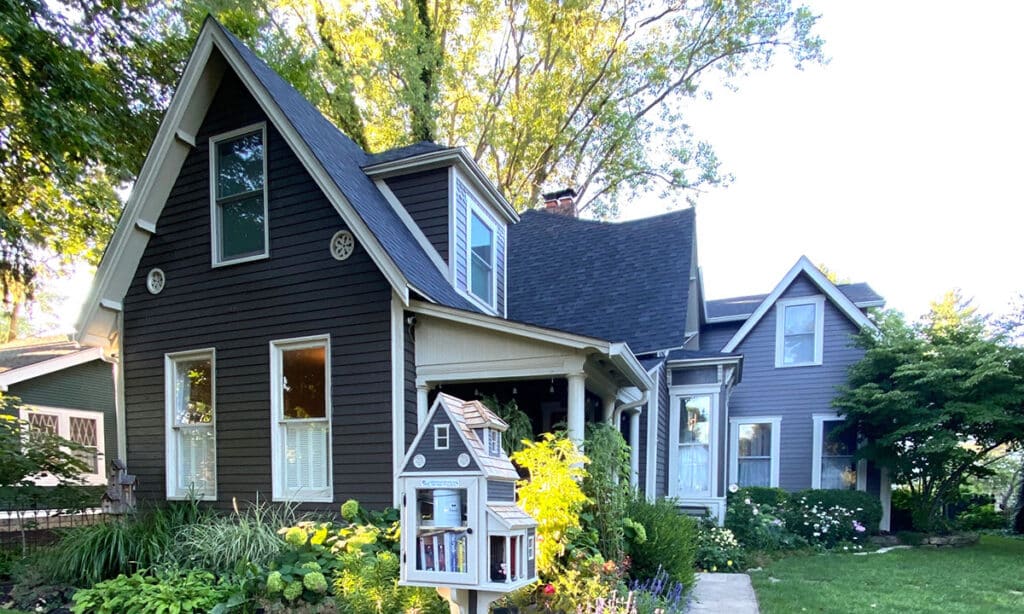
Inspire your community to look closely with a trending treasure hunt. Write a fun scavenger hunt for your neighborhood, so everyone can experience the magic of place-based learning. Ask participants to find hidden details, such as subtle architectural features or distinctive tree species, using a bingo card or visual checklist. Alternatively, players can photograph specific colors to build a collective visual palette.
Share your scavenger hunt with your students on a walking field trip, add a link to your town’s tourist resources, or provide copies to local organizations like scout troops or senior walking clubs. By directing attention to small but meaningful community features, you will cultivate a practice of care, curiosity, and belonging.
Invite others to participate in art installations.
Find a place to create a site-specific installation that relies on community members’ participation. You can transform a lobby, stairwell, or wall with hanging kinetic art, giant cardboard sculptures, or 3D-printed joined elements, as Brian Peters does. Set out a typewriter for library or bookstore patrons to respond to a work of poetry, and cover a wall with their typed thoughts. To keep projects like these manageable, plan and execute them with others.
The first step in art teacher leadership is small—recognize your passions, values, and creative voice, and how they make you unique. From there, leadership becomes an extension of your classroom teaching. Not only are you giving back to your students, but you’re also serving other art educators and your community. If you’re excited to share your voice with others, consider The Art of Education University’s Master of Education in Curriculum & Instruction with a specialization in Instructional Leadership in Art Education. You’ll learn how to lead change through community connections, ethics, and leadership.
Leadership doesn’t begin with a title—it starts with a decision to show up in the spaces that matter. Every time you share a student win, sketch in a coffee shop, or invite your neighborhood into the creative process, you are leading. When you step into this role with confidence, your impact and advocacy of art education multiply; not because you’re doing more, but because you’re recognizing the power of what you already do. Keep extending your creativity and generosity because your community needs only what you can offer.
How else can you show up in your community with your art teacher hat on?
Share one tip to overcome your inner “art bully” and build confidence as an art teacher leader.
To chat about community leadership with other art teachers, join us in The Art of Ed Community!
Magazine articles and podcasts are opinions of professional education contributors and do not necessarily represent the position of the Art of Education University (AOEU) or its academic offerings. Contributors use terms in the way they are most often talked about in the scope of their educational experiences.