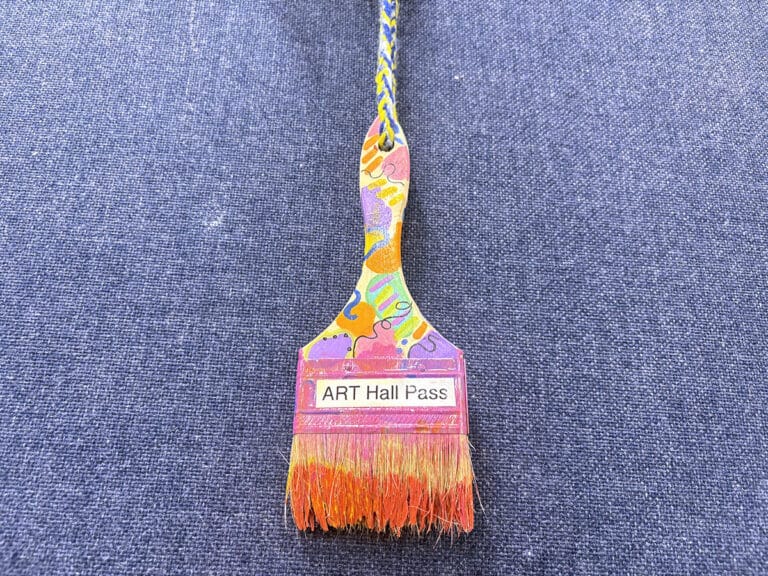

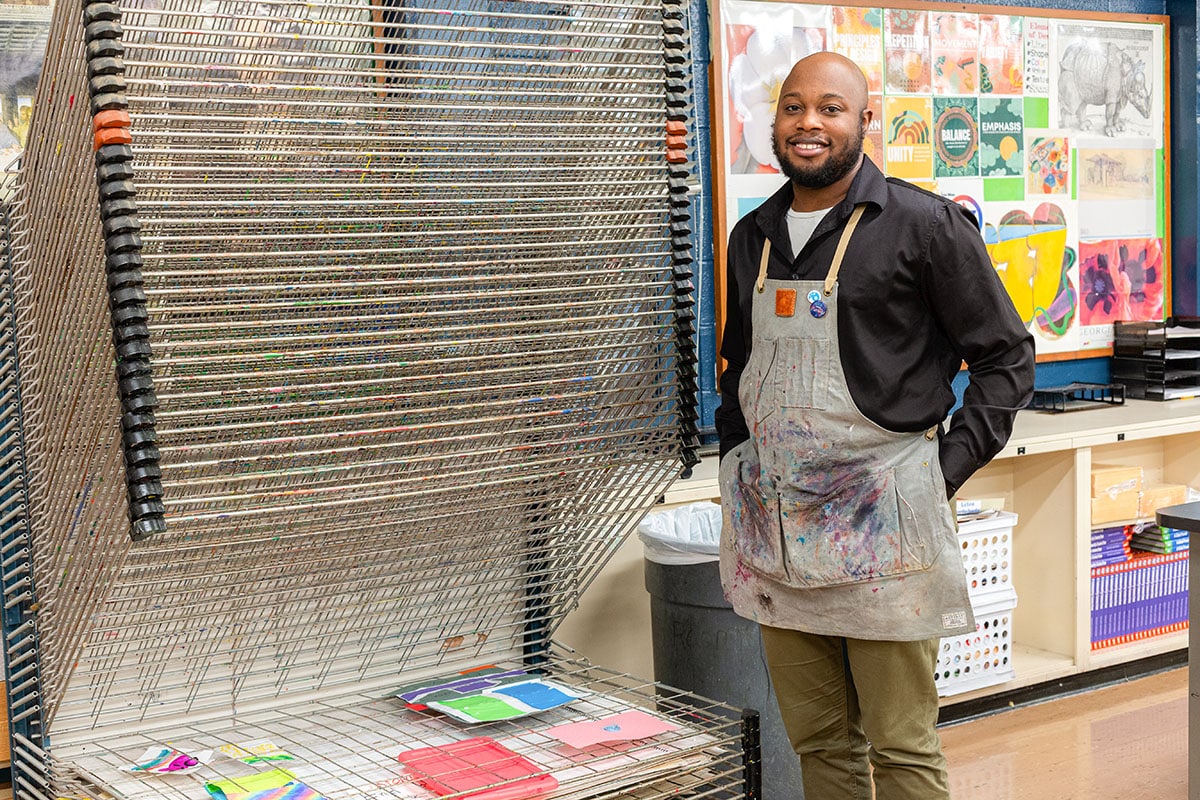
Many art teachers feel seen by students but strangely invisible in leadership spaces. We display artwork for the entire school, run schoolwide events, teach every student, and solve creative problems daily. However, when it comes to curriculum decisions, school climate, or long-term planning, decisions happen without your input or presence. Sometimes it takes stepping into leadership roles and becoming the decision makers ourselves. Take the skills you’re already exceptional at and increase your visibility with just a little intentionality.
Art teachers already lead every day—find a leadership role that’s simply an extension of what you’re already doing.
The Challenge of Representation
When art teachers aren’t part of leadership conversations, arts programs often feel the impact first. Misunderstandings about what we teach or how our programs function can manifest as limiting schedules, shrinking budgets, or the familiar “specials” mindset.
Most school leaders want what’s best for students. But if decisions are made without arts educators present, everyone misses important perspectives. Art teachers often work with every student in the building and see how social, emotional, and academic needs intersect across grade levels. Your schoolwide view is valuable and deserves a place in decision-making spaces.
Stepping into leadership roles helps ensure arts representation in the conversations that shape school priorities. However, it can be challenging to know where to start, especially while staying in the art classroom. If you’d like to develop your leadership potential, watch the Building Leadership Skills as an Art Educator Pack in PRO Learning. Discover art-specific skills you already possess that will level up your influence, as well as relevant opportunities in your district and community.

Leadership Through Voice & Representation
Are you someone who doesn’t mind public speaking? Maybe the idea of running meetings, making decisions, and representing other art educators sounds empowering to you. Consider some of the leadership roles below.
1. Department Chair or Team Lead
Department chairs often act as the bridge between classroom teachers and leadership, ensuring that arts instruction is accurately represented and supported. If you see a need for ample instructional time, healthy budgets, and relevant PD opportunities, this is the role for you!
2. Union Rep or Faculty Representative
Acting as a union or faculty representative allows art teachers to participate in broader conversations about teacher workload, professional expectations, and working conditions. You’re the perfect representative because of your perspective and experience managing multiple grade levels, preps, and shared spaces.
3. PTA/PTO Liaison
You’re already communicating with parents, so why not make it official? Serving as a liaison to the PTA or PTO creates opportunities to build partnerships between the art program and the school community. Families often want to support the arts but may not fully understand what resources you need. By helping families see the impact of arts education on creativity, problem-solving, and student engagement, you can build advocacy and support beyond the classroom.

Leadership Through Culture & Connection
Art teachers are already important members of our school communities. If you value personal connection and community engagement, the roles below may be a good fit.
4. School Climate or PBIS Committees
Serving on a school climate or PBIS committee allows art teachers to contribute to conversations about student engagement, belonging, and behavior supports. As art teachers, we emphasize creative expression and relationship-building. You offer valuable insight into how students communicate, collaborate, and regulate emotions across classes and grade levels.
5. Class Sponsor or Club Advisor
Acting as a class sponsor or club advisor allows you to extend creative learning beyond the classroom. Whether you’re supporting student council, leading an art club, or coordinating a mural or service project, these roles help build student identity and school culture. As a teacher, it’s an added bonus to see students take ownership of projects and collaborate in new ways.
6. Student Teacher Host or Mentor Teacher
You don’t always have to teach alone! Hosting a student teacher or serving as a mentor teacher can be a fun and meaningful way to empower the next generation of art educators. In this role, you model effective classroom management, planning, and advocacy for the arts. You may also help new teachers navigate school systems, collaborate with colleagues, and develop confidence in their instructional practices.

Leadership Through Vision & Long-Term Impact
Are you a big-picture thinker? Do you enjoy puzzling together curriculum maps and writing plans for the future? Do you see the long-term impact art has on your students’ lives? Your expertise may align with the next few roles.
7. Curriculum Coordinator or District Committee Member
In this position, you can help align arts instruction with district goals and ensure that visual arts standards are meaningfully represented in broader curriculum planning. Your perspective can support consistency across grade levels and help keep the arts connected to countywide initiatives.
8. Professional Development Leader
Do you have a particular topic you’re passionate about? Leading professional development sessions allows you to share your expertise in creativity, assessment, and student engagement with colleagues. This role can inspire interdisciplinary collaboration and support fellow educators as they bring more creative strategies into their instruction.
9. Presenter or Writer
Presenting at conferences or contributing to professional publications is a powerful way to amplify the art teacher voice beyond one building. Don’t limit your options to art education conferences. General education, arts integration, STEAM, and educational leadership are all areas in which art teachers can contribute. Share your experiences to highlight effective arts instruction and encourage others to see the value of creative learning.
10. Art Education Researcher or Study Participant
Educators talk about being “data-driven,” but what if you could be part of creating that data? Participating in or contributing to research helps strengthen the body of knowledge surrounding art instruction. If you love spurring change, get involved with AOEU’s Center for the Advancement of Art Education (CAAE). By sharing classroom insights, you can help shape future practices and support the field’s growth.
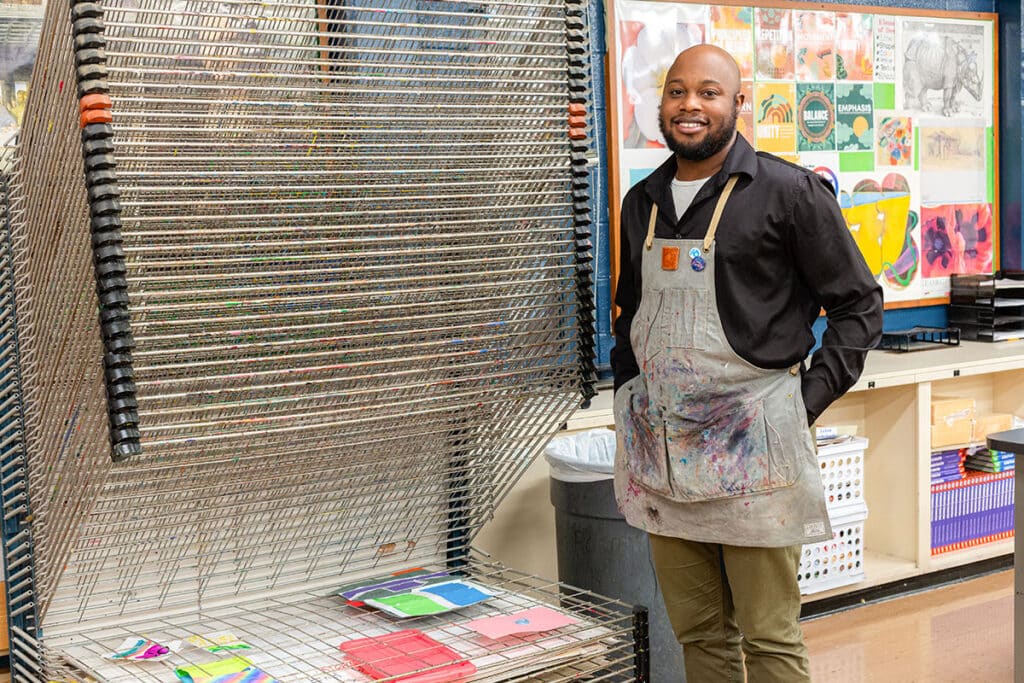
Start Small, Stay Personal
Stepping into leadership doesn’t have to mean taking on more than you can manage. In fact, the most sustainable leadership often begins with small, intentional actions that align with your interests and strengths. Finding the right fit can help you grow your influence in ways that feel both meaningful and doable.
Remember:
- Leadership doesn’t mean “doing everything.”
- One role, one year, and one step at a time.
- Choose roles aligned with your strengths.
- Visibility grows influence.
Art teachers don’t need to become different educators to lead. We simply need to play to our strengths and take opportunities to make our leadership visible. When art teachers step into leadership roles, we bring our valuable skillsets and perspectives to conversations that shape schedules, budgets, salaries, curriculum, and school culture. By taking even one intentional step into leadership, art teachers can ensure the arts—and the creative thinkers behind them—have a voice where it can make the greatest impact.
What decisions are being made at your school? Who’s missing from the room?
What positive change can you bring to your community through your unique leadership?
To chat about art teacher leadership with other art teachers, join us in The Art of Ed Community!
Magazine articles and podcasts are opinions of professional education contributors and do not necessarily represent the position of the Art of Education University (AOEU) or its academic offerings. Contributors use terms in the way they are most often talked about in the scope of their educational experiences.