

Sometimes you see a colleague paired with a student teacher and think, “I wish I had one—an extra set of hands for grading, prepping art materials, and lesson planning… Maybe I’ll even get a chance to sit back for a bit.” However, mentoring a student teacher is so much more than having help. It’s a real commitment—and a rewarding one.
Whether you’re welcoming a student teacher for the first time or just wondering what it could look it, this guide will walk you through key phases of the experience. We’ll highlight the challenges, realities, and unexpected joys of becoming an art teacher mentor with tips to sustain you in each step of this exciting journey!
The Notification: “You’re getting a student teacher!”
You’re checking emails during your planning period and suddenly see Student Teacher Placement Confirmation. You’re getting a student teacher (also known as a clinical teacher, intern, or resident) this year! That initial moment can feel thrilling—and a bit surreal. Your mind jumps to all of the possibilities: Who are they? What will this mean for my students? How do I make this a valuable experience for both of us?
As you begin preparing for the upcoming school year and your student teacher’s arrival, take a few minutes to reach out. A simple introductory email can build a foundation, provide reassurance, and allow you two to get to know each other before you ever meet in person.
Here are some helpful questions to ask:
- What university are you attending?
- What’s your degree program and major?
- What type of art do you love creating?
- Are you juggling outside classes or jobs?
The First Meeting
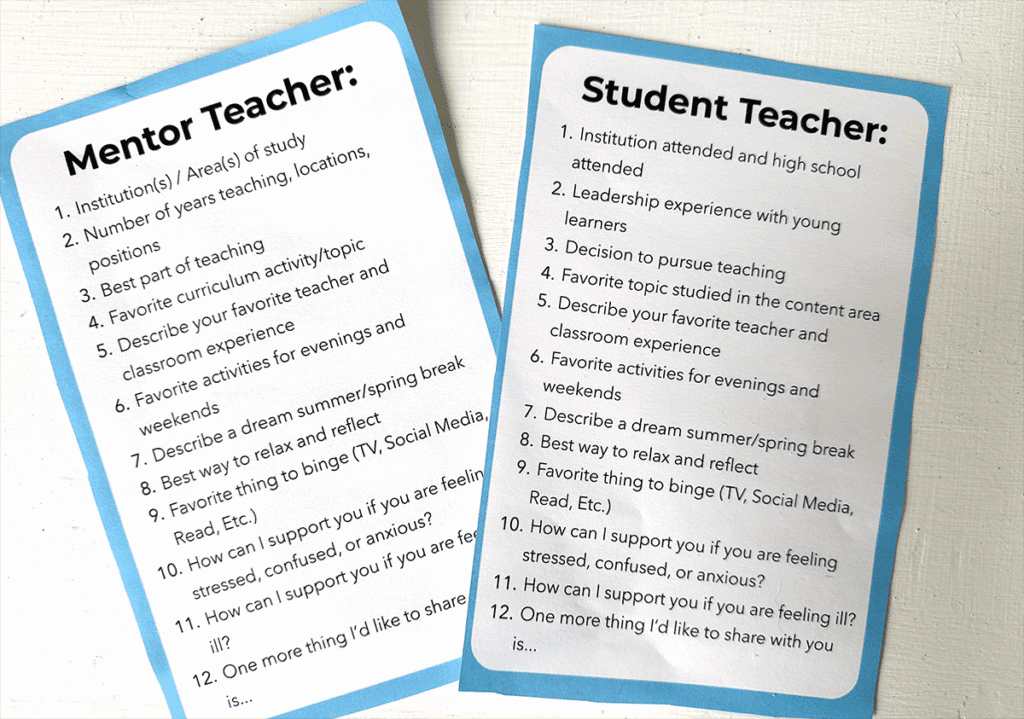
Whether you meet over Zoom, coffee, or on the first teacher workday, it’s an exciting moment. Help your student teacher feel welcome from the start. Try a simple icebreaker like a short “get-to-know-you” survey that you both complete and share. It’s a great way to learn about each other’s strengths and communication styles.
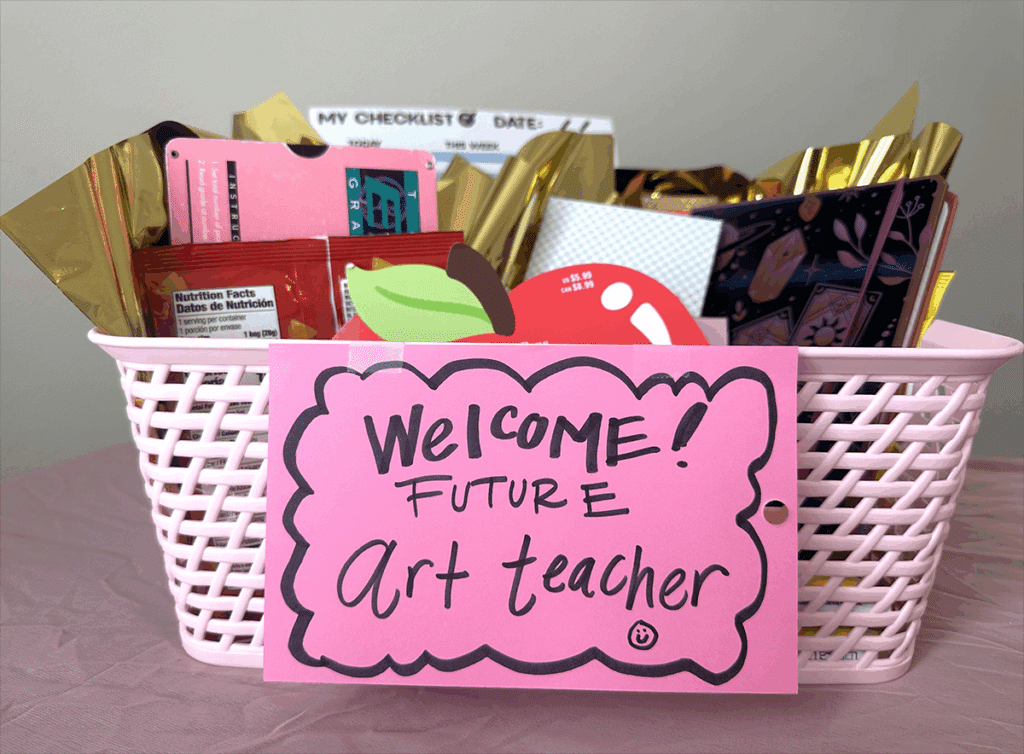
If you’re meeting in person in your school and classroom, give a glimpse into daily life on campus. Be sure to include a studio tour if you can—you’ve poured a lot into your space, so show it off! Introduce them to your department or team(s) and invite them to explore other classrooms too. As a bonus, create a fun poster with both of your names on it to display in the room or by the door. It’s always fun to see their face light up when they see their name “officially” in an art room!
The First Week: Professional Development (PD) & Art Room Prep
If your student teacher is joining you at the beginning of a school year, invite them to sit with you in your district or school’s professional development sessions. Share the schedule so they can plan ahead and connect with the wider school community. It’s also a great opportunity to learn about your curriculum and gain an understanding of your campus’s culture and expectations.
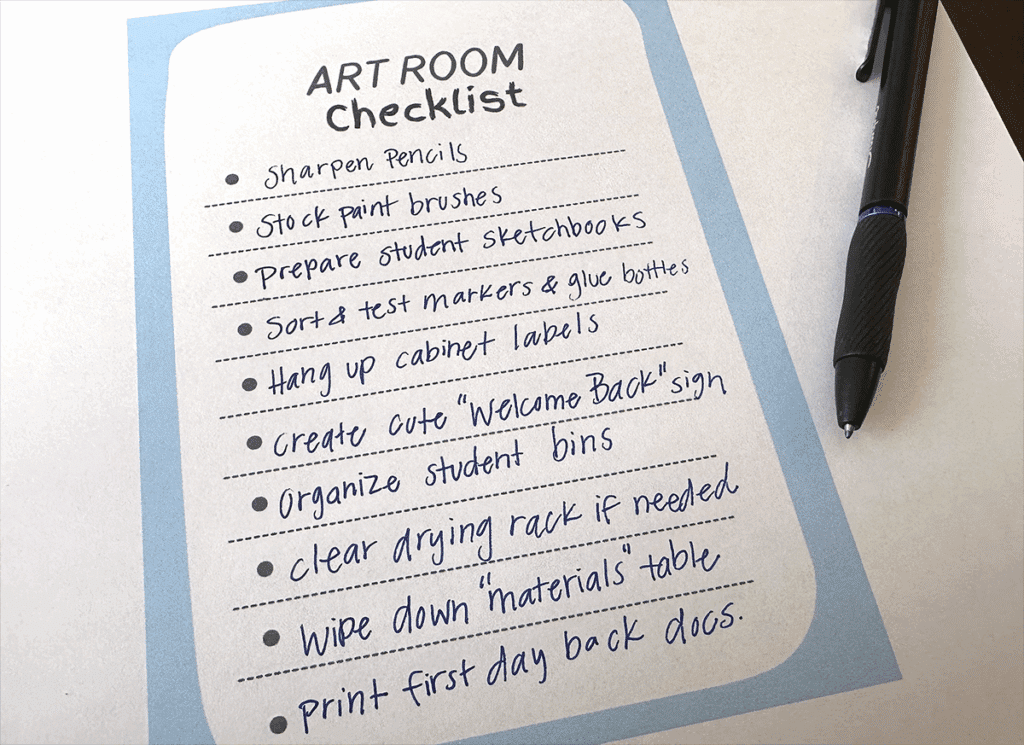
You’ll also be setting up your classroom for the year during this time. Keep in mind that your student teacher isn’t your assistant—they’re there to learn. Take the lead on studio setup, but invite them in with intention. Create a checklist of 10 tasks and let them choose 2–3 manageable ones to help with. This keeps things low-pressure while still giving them hands-on experience.
If your student teacher is starting in the spring semester, consider inviting them in early so they can get a feel for the school community and the layout of your art room. Spring often comes with less prep time than fall, so ease them in by using small windows of time, like your planning period. Invite them to refresh your art room and help prepare for second-semester students. Show them where to find art materials, share first-semester artwork, and provide the scope and sequence for the rest of the year.
Here are a few things you and your student teacher can do during the first week:
- Give a full school tour.
In addition to walking them around, point out important locations and introduce them to key staff. - Debrief after PD sessions.
Chat about what stood out and how to connect it back to the art room. Encourage visual journaling to help process information. - Host a welcome lunch.
Invite your department and student teacher for some off-campus staff bonding! - Co-create a schedule.
Clarify their hours and days with you, and be mindful of outside responsibilities like evening classes or jobs. Determine how to structure time together and discuss if and how they’ll support students outside of class time, such as lunch tutoring or Art Club. - Designate a workspace.
Set aside a desk or area in your studio just for them.
The First Week: Welcoming Students
The first week of school with a student teacher is a new experience! On top of the usual back-to-school thrill of meeting new students, you have the exciting privilege of walking your mentee through this whirlwind. As the lead teacher, you’ll guide most of the instruction during the first week. However, get your student teacher hands-on as soon as possible! Invite them to lead simple icebreakers or community-building activities—it’s a great way for them to start connecting and gaining confidence.
If your student teacher is starting in the second semester, introduce them by making a formal announcement in each class. Explain who the student teacher is and how they’ll be part of the classroom for the rest of the year. Even though it’s not the beginning of the school year, treat it like it is to renew relationships and reestablish expectations. Ask the student teacher to dive in by facilitating your warm-up activities and then have them create their own!
Focus on building these three relationships:
- You and your students
- You and your student teacher
- Your students and your student teacher

The Semester
As time passes, you and your student teacher will naturally settle into a rhythm for working together. You’ll also start gradually releasing responsibility to them. It’s important to continue checking in to ensure everyone is on the same page. You also want to make sure your student teacher is still growing in their teaching practice and feeling positive about the experience.
During this phase, be sure to check in by doing the following:
- Debrief weekly.
Make time to check in, whether formally (via email or written notes) or informally (through casual conversation). Highlight what’s going well, offer constructive feedback, and wrap up with encouragement and upcoming goals. Keep the tone productive and supportive. - Stay on top of observations, evaluations, and paperwork.
Keep track of important deadlines for both you and your student teacher. Before an evaluation, ensure the studio is tidy and welcoming for the observer. Ask your student teacher ahead of time if they need anything for their lesson, including being a sounding board for ideas, artists, and strategies. - Ease into Gradual Inclusion.
Begin by having your student teacher take attendance, distribute materials, greet students, do quick check-ins, write on the board, or assist with art demos. As they master each task, allow and empower them to step up with more responsibility. Hand off one class at a time, redirect student questions to the student teacher, and use coaching language to guide your student teacher when they seek help.
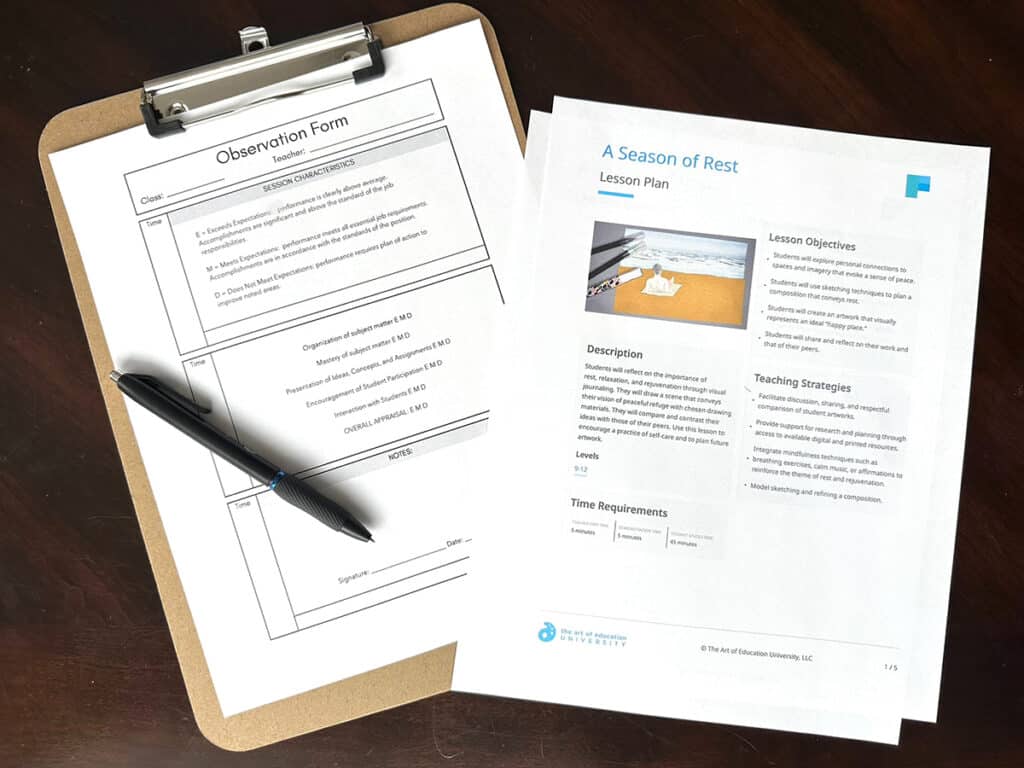
Here are some examples of supportive, reflective prompts, perfect for debriefing or coaching:
- What do you think is the best next step?
- How do you think the students responded to that strategy?
- What would you try differently next time?
- What were you hoping the outcome would be?
- Is there another way to approach that situation?
- What are your goals for tomorrow’s class?
The Unexpected
As the semester progresses, life is bound to happen. Part of your role as a mentor is helping your student teacher navigate the unexpected with preparation and confidence. Share how your district and school handle each situation below and what you’ve found that works best for you and your students.
Here are some situations to plan ahead for:
- Absences
Encourage your student teacher to follow proper school protocol if they will be absent, such as sending an email, submitting a request, or writing sub plans and instructions. Familiarize yourself with any procedures you may need to do on your end to document the absence for their program. - Program Check-Ins
Stay in the loop with what’s happening on the university side. Check in regularly with their field supervisor and be available to support or clarify any university expectations. - Student Conduct or Sensitive Issues
Sometimes challenging situations arise. Discuss in advance who will step in and how, and be sure to debrief privately after. As often as possible, back up your student teacher in front of students to maintain professionalism and respect. - Certification Testing
Your student teacher is preparing for their future, and that includes taking certification exams! Plan ahead for their absence and offer support and encouragement leading up to the big day. A simple “good luck” text the night before or morning of goes a long way and shows you’re cheering them on.
The Halfway Point
Whether your student teacher is with you for a semester or the full school year, take a moment to celebrate the journey so far! A small gesture of appreciation can mean the world and boost their confidence as they continue growing. This doesn’t need to be time-consuming or expensive.
Here are a few simple ways to show you care:
- Give a small gift or art-themed token.
- Write a handwritten note or thank-you card.
- Gift matching aprons or lanyards.
- Invite your students to craft appreciation notes or cards.
The “Free” Time
Once your student teacher has taken over all of your classes, the dynamic in your room will change. Depending on your student teacher’s program requirements, you may need to step out of the classroom entirely. As challenging as that may feel, giving them space is important. It helps them build real-world teaching skills and independence. After all, when they have their own classroom, you won’t be there to guide them through every situation. So what can you do with this new “spare” time?
Here are some productive ways to stay engaged while your student teacher is in full swing:
- Tackle classroom organization projects.
Sort supply cabinets or label materials that you haven’t had time to tackle yet. - Plan ahead.
Prep future units, sketchbook prompts, and visual aids, or listen to Art Ed Radio for fresh ideas. - Collaborate with colleagues.
Visit other teachers to brainstorm collaborative projects. - Look ahead for enrichment opportunities.
Research local student art competitions, community showcases, or plan for an upcoming art show! - Stay connected.
Continue checking in with your student teacher. A quick check-in keeps communication strong and lets them know you’re still there to support them—without hovering.
The Last Week
As your time with your student teacher comes to an end, take a moment to reflect on the experience you’ve created together. This journey—full of growth, learning, and shared challenges—will have a lasting impact on both of you! Use this last week to recognize how far they’ve come and dream about all of their art teacher goals ahead. Remember, ending the placement doesn’t mean ending the relationship. Discuss ways you can keep in touch during their first year on their own!
Here are some meaningful ways to celebrate and support their next steps:
- Plan a farewell party.
Involve your students! They’ve likely formed a strong bond with your student teacher and will appreciate the chance to wish them farewell. - Give a thoughtful parting gift.
Consider something both fun and useful, like an art-themed coffee mug, a drive link to your best lesson plans and resources, or a pack of your favorite colorful art teacher pens. - Offer ongoing support.
Student teaching may be wrapping up, but their career is just beginning. Tell them you’re honored to be a job or character reference, connect them with teaching openings, and introduce them to administrators or district leaders to expand their network. - Stay in touch.
Let them know you’re happy to be a continued mentor and sounding board, especially during their first few years of teaching.
Having a student teacher is a meaningful journey. From the first email to the first day, through the bumps and breakthroughs, the shared lunches, and the moment they finally step up to lead—it’s an experience filled with growth, joy, and reflection. It’s like watching your students grow, but on a deeper level. You know your student teacher will carry the lessons, passion, and practices you’ve shared into their own classroom. In mentoring, you’re not shaping one art teacher—you’re helping to mold the future of art education and multiplying your impact.
What do you still appreciate about your art teacher mentor, and how can you pay it forward to a future student teacher?
Are you interested in becoming a mentor teacher? What questions do you still have?
To chat about mentoring a student teacher with other art teachers, join us in The Art of Ed Community!
Magazine articles and podcasts are opinions of professional education contributors and do not necessarily represent the position of the Art of Education University (AOEU) or its academic offerings. Contributors use terms in the way they are most often talked about in the scope of their educational experiences.