
Art teachers thrive on creative problem-solving, and sometimes those opportunities appear in unexpected ways—like leading the school yearbook. While it may seem far removed from the art room, the truth is that yearbook advising uses the same core skills in design, storytelling, and visual thinking. Tap into the things you’re already great at to capture the students and school you love in a fresh way!
If you were recently asked to take on this new role, save these pro tips to navigate the yearbook for the first time.
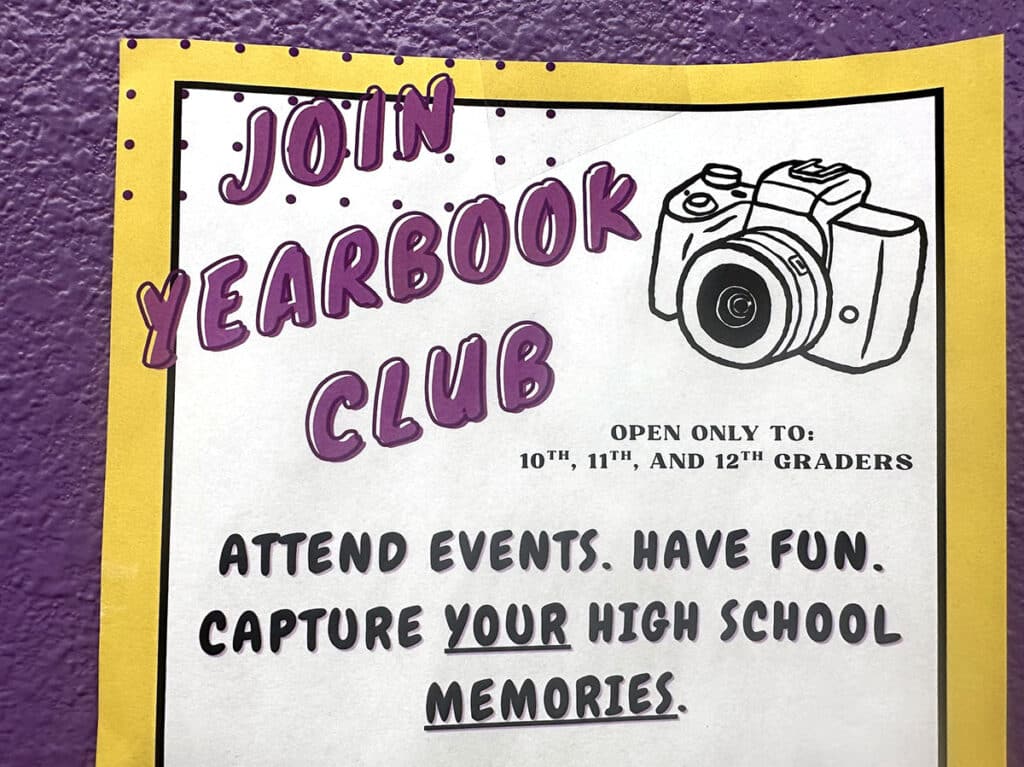
Art and Yearbook Crossovers
Taking on the yearbook may feel like a big shift—surprising news or a completely new journey. If you’re feeling overwhelmed with this new venture, the good news is that so much of what we already do in the art room directly translates to the yearbook. As an added bonus, taking on the yearbook will naturally boost your enrollment and art program, both huge benefits!
Let’s see what areas art and yearbook have in common:
- Visual storytelling
- Typography
- Art show and art display organization
- Elements and Principles of Art and Design
- Photography
- Community building
- Graphic design
- Collaboration with colleagues

Ready, Set, Go!
If yearbook advising is an extracurricular assignment, consider advocating for a stipend. Your time and expertise are valuable! If it’s a scheduled class during the school day, make sure it doesn’t exceed your contractual prep or class load, and discuss a dedicated budget for supplies and equipment.
Here are three more practical tips to get started with advising the school yearbook:
- Start with photos.
Take lots of photos early on of everything you can. Think of events, classrooms, clubs, and candid moments. If you have photos, you have a yearbook! - Gather resources.
Join journalism and yearbook adviser communities, or the JEA (Journalism Education Association), for advice, templates, and ideas. - Build a design inspiration library.
Keep a small collection of past yearbooks and magazines. Magazines are fantastic examples of spreads—and chances are, you already have some in your art room.
Publisher Connection
It’s best to connect with a publisher as early as possible, ideally at the start of the school year or even before it begins. Research a few companies and find one that aligns with your school’s needs, budget, and style. While you’re getting that set up, assign yearbook spreads early. Create a master list of events, sports, classes, electives, and clubs. Then, divide them up among your team.
Tip: Use the Yearbook Planning Timeline: A Month-by-Month Guide to Stay on Track to help you get organized.
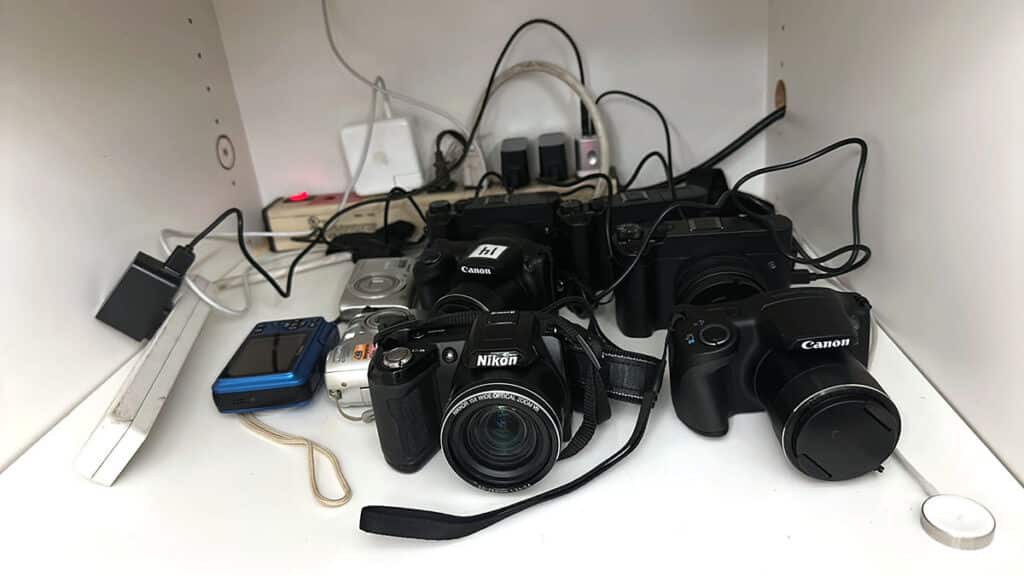
Equipment and Photography Tips
Note: Follow district and school policies regarding cell phone use, as well as guidelines for permissions around sharing students and their work.
When it comes to equipment, remember that the best camera is the one you have with you. Fortunately, most students have smartphones right in their pockets with high-quality built-in cameras. You can also check with the previous yearbook advisor or technology specialist to see if you can borrow theirs. Writing a grant is also a good way to fund new equipment and accessories.
Consider these other helpful tips to set photography guidelines:
- Discuss expectations for both posed and candid shots.
- Emphasize storytelling through photography.
- Model photojournalism principles to counteract students’ natural tendency toward selfies or group photos with friends. Use the FLEX Curriculum Resource, Basic Photography Tips, to prompt stronger photos!
- Provide a photo checklist to ensure thorough and organized coverage.
Tip: Create press badges for students to wear during events, reinforcing their role and granting them permission to photograph.

Storytelling and Text
While storytelling in the yearbook starts with strong photos, don’t forget the power of words. Text can add depth, emotion, and context to your visuals. Teach students how to capture strong quotes. Remind them that quotes are only as good as the questions they ask. Practice how to create open-ended questions that invite meaningful, detailed responses rather than simple yes or no answers.
Recruiting talent from other areas of your school can make your yearbook team even stronger and help you balance the load. Partner with English teachers to involve honors or creative writing students as copywriters or editors. Tap into your art students’ illustration skills and graphic design students’ keen attention to layouts. And don’t forget student athletes! They often have great insight and access to sports stories. By blending the strengths of so many, you’ll create a yearbook that feels more inclusive, professional, and well-rounded.
Full Production
Once your yearbook process is underway, think of it like running a studio class: creative, structured, and collaborative. Set aside dedicated yearbook workdays, just as you would studio days in the art room. Start each class or workday with a brief meeting to review progress, upcoming deadlines, and event coverage. Approach it as a quick check-in to help everyone stay organized.
Assign roles to your students to mirror a real production team and increase ownership, such as:
- Editor-In-Chief
- Photo Editor
- Design Lead
- Inventory Manager
- Social Media Coordinator
- Copy Editor
Celebration!
There’s something incredibly rewarding about holding the finished yearbook in your hands. Celebrate that accomplishment with your students and staff! It’s a tangible reminder of all of the creativity and hard work that went into documenting the school year. Set a plan for distribution so your school community can enjoy the final product. Then, take a well-deserved breather. Once things have settled, meet with your yearbook team to reflect and plan for the next year.
Taking on the yearbook is no small task! But as art teachers, we bring the creativity, problem-solving skills, and community-mindedness it requires. From initial planning and setting clear guidelines to establishing deadlines and organizing equipment, every step is part of the process and an opportunity to learn. Ultimately, you’re not just producing a yearbook; you’re helping your school community capture, tell, and preserve its story for years to come.
What’s your biggest lesson learned from being a yearbook advisor?
How else do art and yearbook overlap?
To chat about being a yearbook advisor with other art teachers, join us in The Art of Ed Community!
Articles and podcasts are opinions of professional education contributors and do not necessarily represent the position of the Art of Education University (AOEU) or its academic offerings. Contributors use terms in the way they are most often talked about in the scope of their educational experiences.