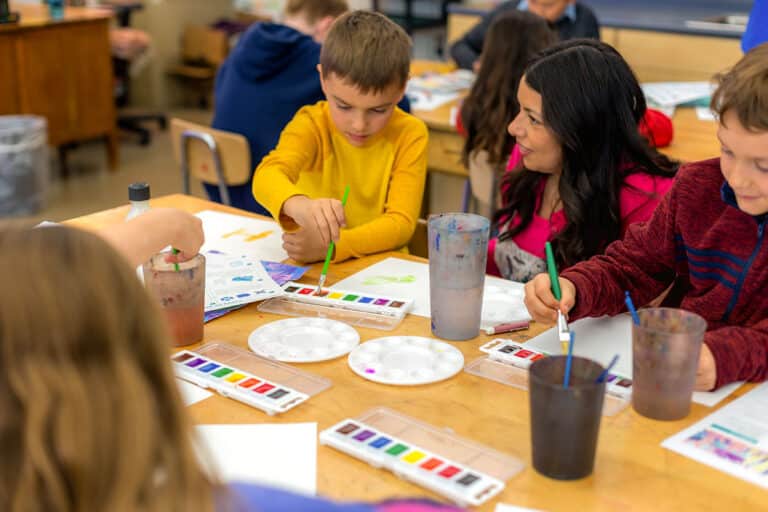

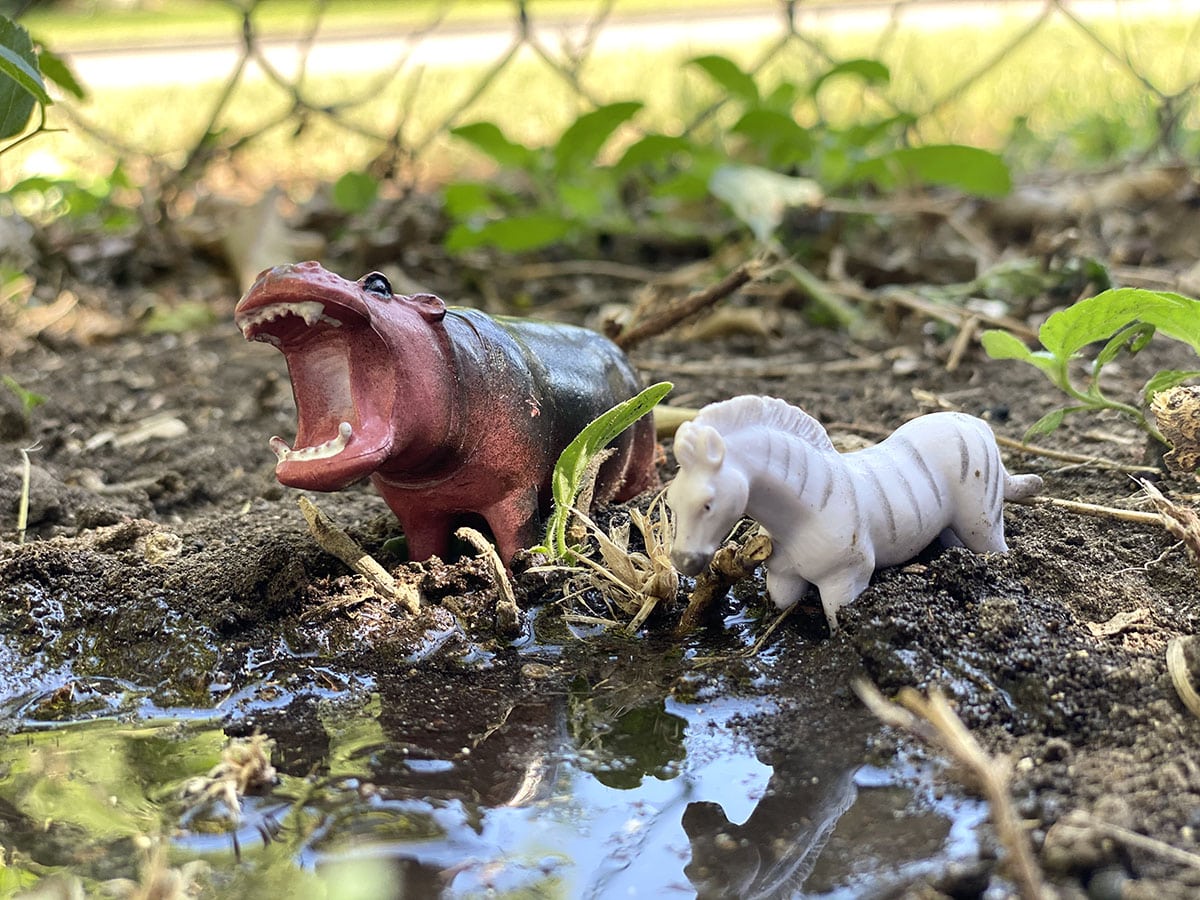
After a long, well-deserved break, it can be tough for students to get back into the rhythm of school and the art room. The same also goes for art teachers! Slowly acclimate back into your rhythms with easy and enjoyable activities. Use them as icebreakers to generate discussion about their breaks or extend them into short art projects, so you have time to get back on your feet.
Ease back into your art room routines with 10 low-pressure icebreaker activities to spark dialogue and artmaking with your students.
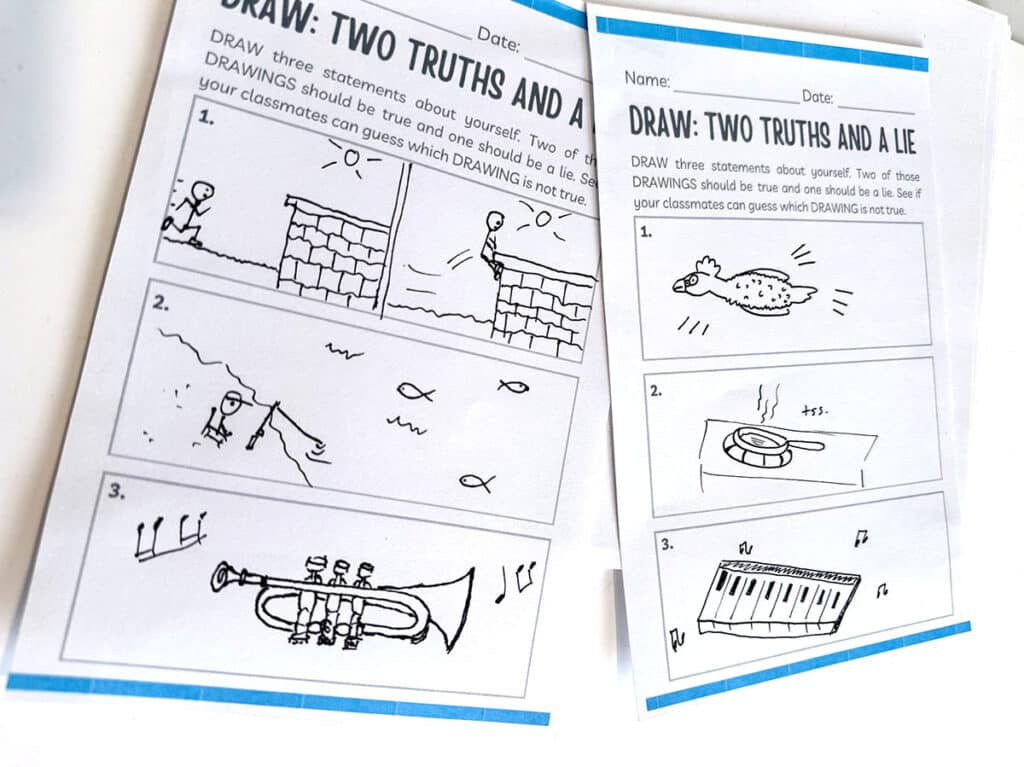 1. Two Truths and a Lie
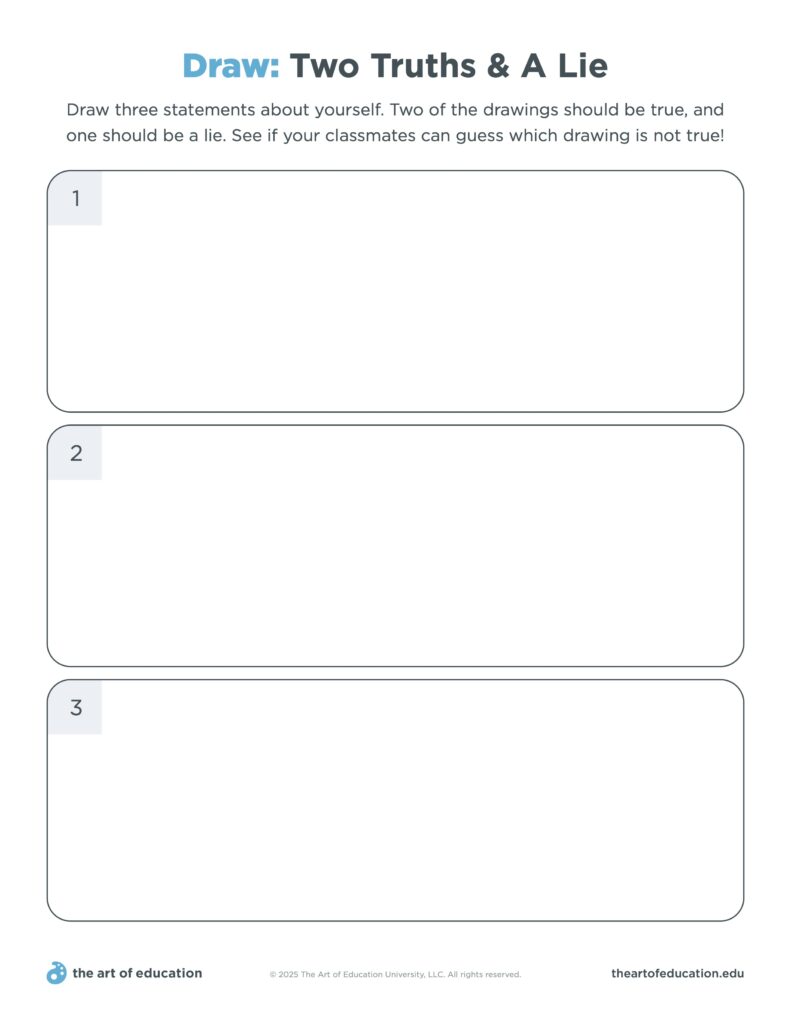
Put a creative twist on this classic icebreaker. Students pair up or form small groups of 3–5 and play Two Truths and a Lie. Instead of saying their truths and lies, they draw them! Encourage students to use a pen so they don’t worry about perfection, and remind them to keep all sketches school-appropriate. Download the complimentary handout below to get started.
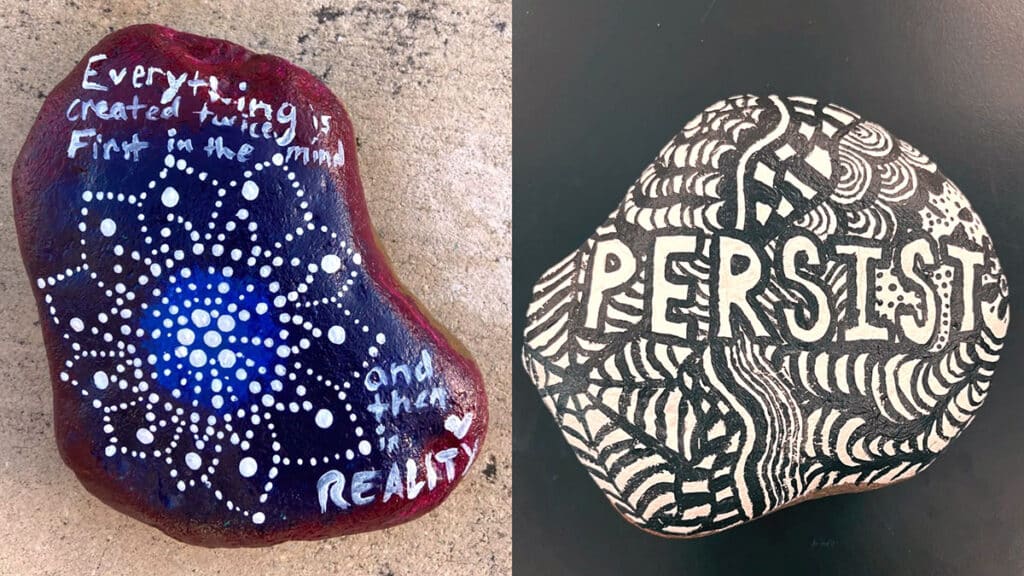
2. Reflection Rocks
Students paint a single word that reflects their intention or resolution for the new year. Add Zentangle patterns to prompt students to loosen up and relax. You can collect rocks during a class walk (with administrator permission) or ask your local hardware store to donate a bag of landscaping stones. Seal the rocks with a clear finish and “release” them in safe, visible spots for others to enjoy.
3. “My Winter Album” CD Cover Design
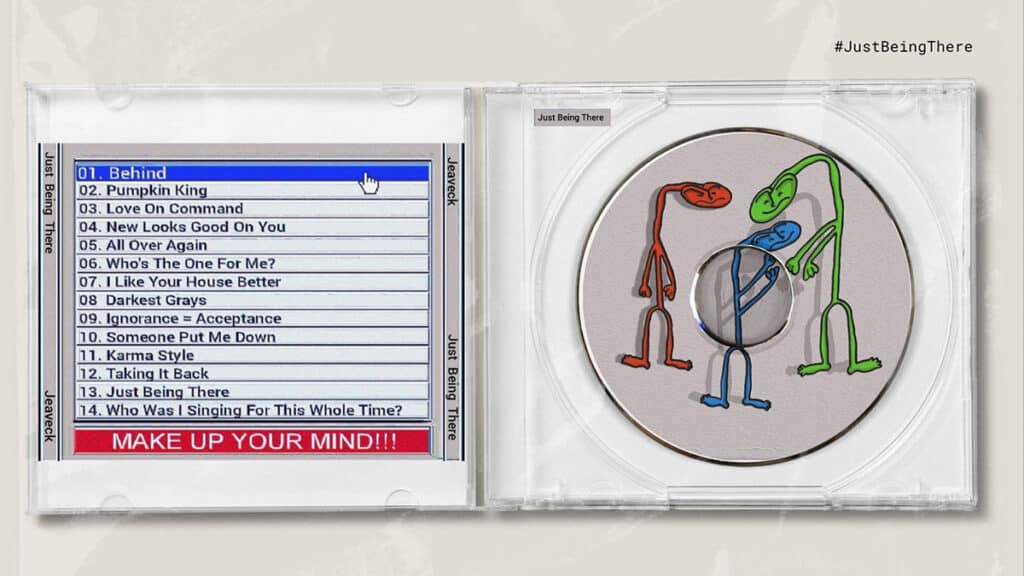
Invite students to design a CD cover that illustrates highlights from their break. Encourage students to focus on positive takeaways. If someone feels like they didn’t do much or had a terrible week, help them to reframe—maybe extra rest, time with family, or simply relaxing were their highlights!
Discuss how to capture their experiences through colors, symbols, and track titles. They can draw these in their sketchbooks or design them on a free digital platform. If you have physical covers and CDs, they can also coordinate designs on these.
4. Neurographic Washes
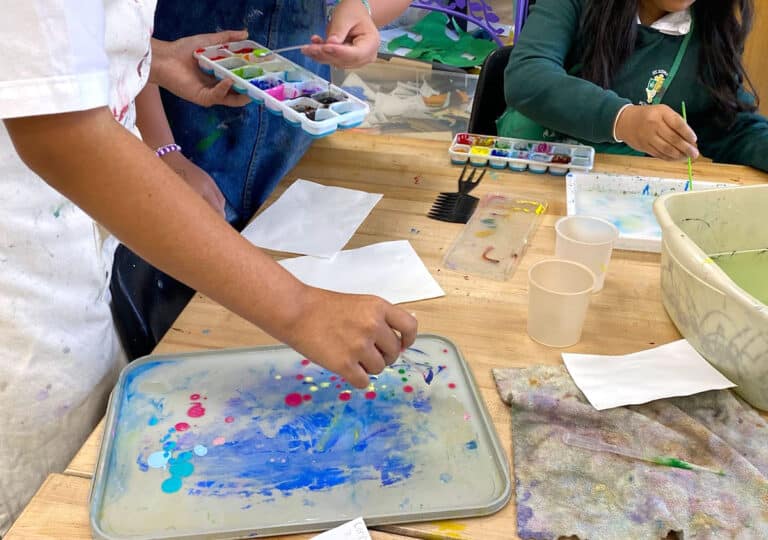
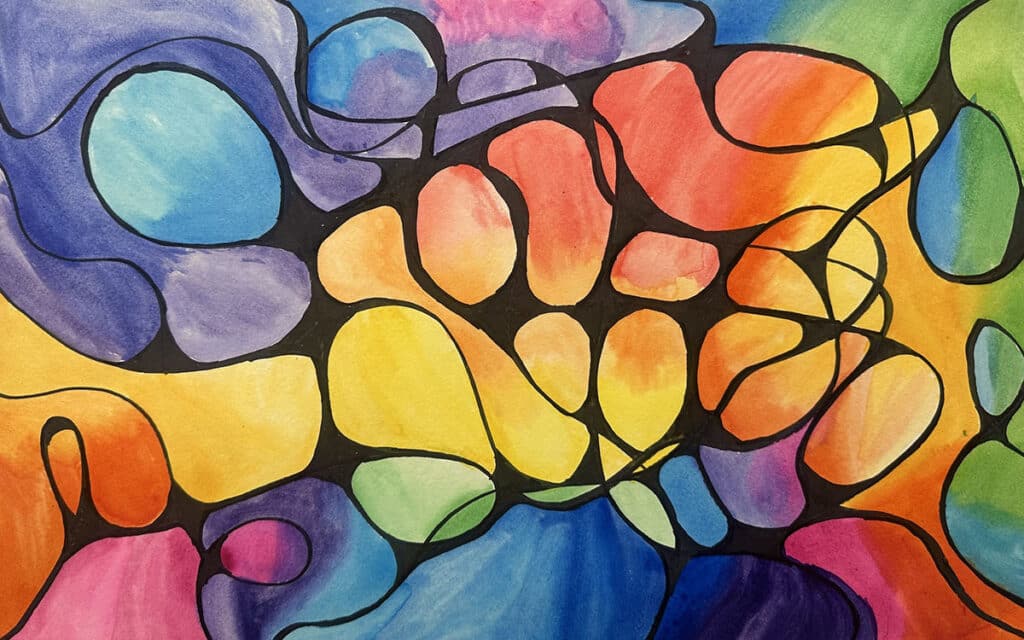
Ease back into creativity with the calming process of neurographic art. This activity blends mindfulness and abstract design, inviting students to create flowing, interconnected lines, shapes, and colors that represent thoughts, emotions, and connections.
Give a gentle prompt such as, “As you select your lines and colors, focus on how you’re feeling today.” Play soft, calming music as students paint. If some students are hesitant, remind them that there’s no wrong way to start. Every mark contributes to the process, and it’s about the experience over the product.
5. Graffiti Name Stickers
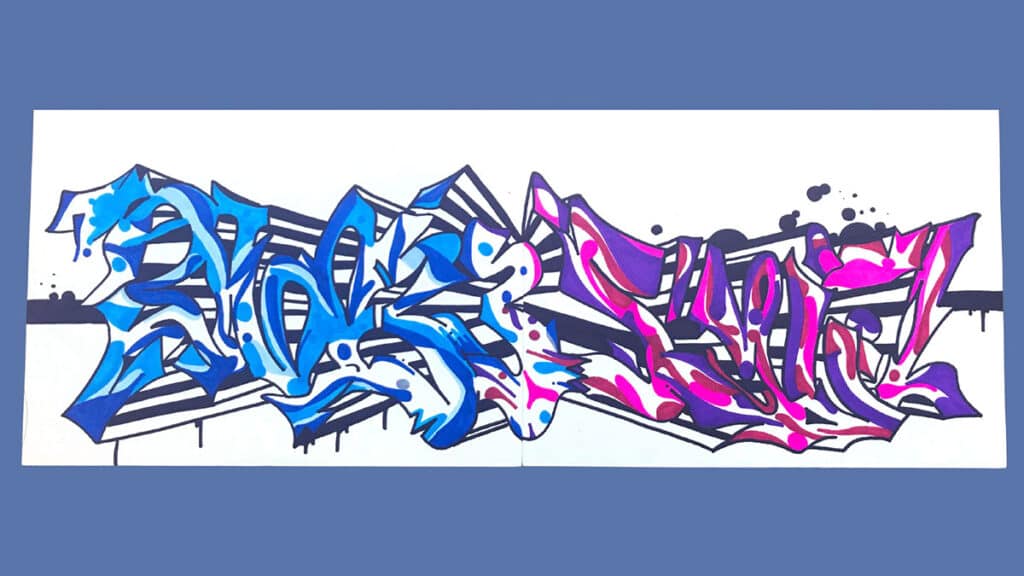
Introduce students to Banksy and Street Art. Then, let them create their own graffiti-style name stickers using bold lettering and expressive color. Explore different graffiti lettering styles with font websites or the Graffiti Alphabet Resource in FLEX Curriculum. Remind students to place their stickers on personal items only, such as sketchbooks, water bottles, or portfolios. This would also be a great introduction to the Monochromatic Graffiti Lesson, also in FLEX.
6. Elements & Principles Scavenger Hunt
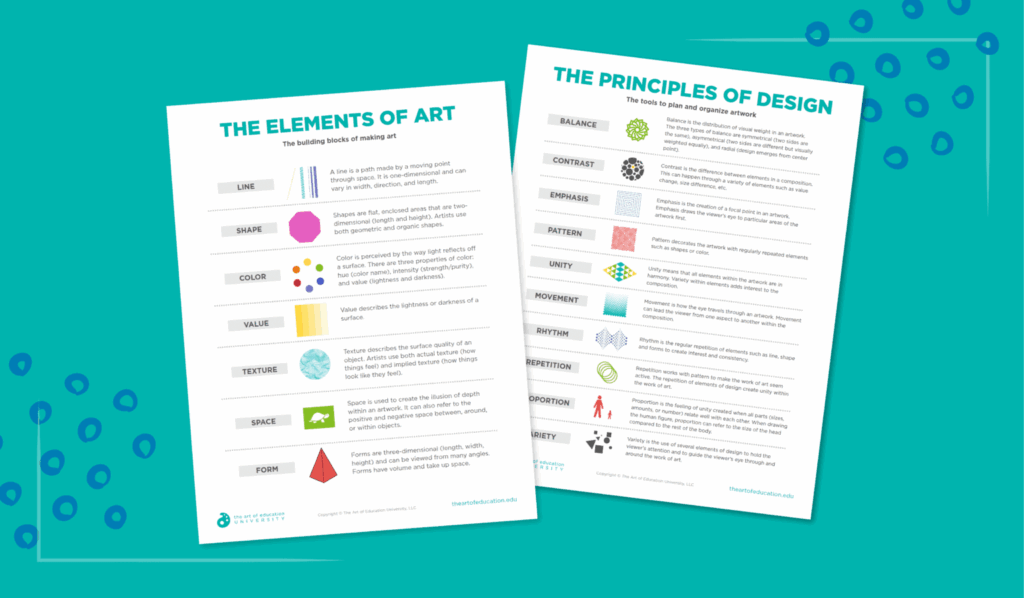
Turn your classroom—or school—into a visual scavenger hunt! In teams, students search for examples of the Elements of Art and Principles of Design in their surroundings. This is a fun way to review concepts and terms while incorporating movement and observation. Download these complementary reference sheets to kickstart the search. Students will document their findings by taking photos or sketching quick thumbnails. Regroup and discuss how the teams interpreted each Element and Principle.
7. Toy Stories
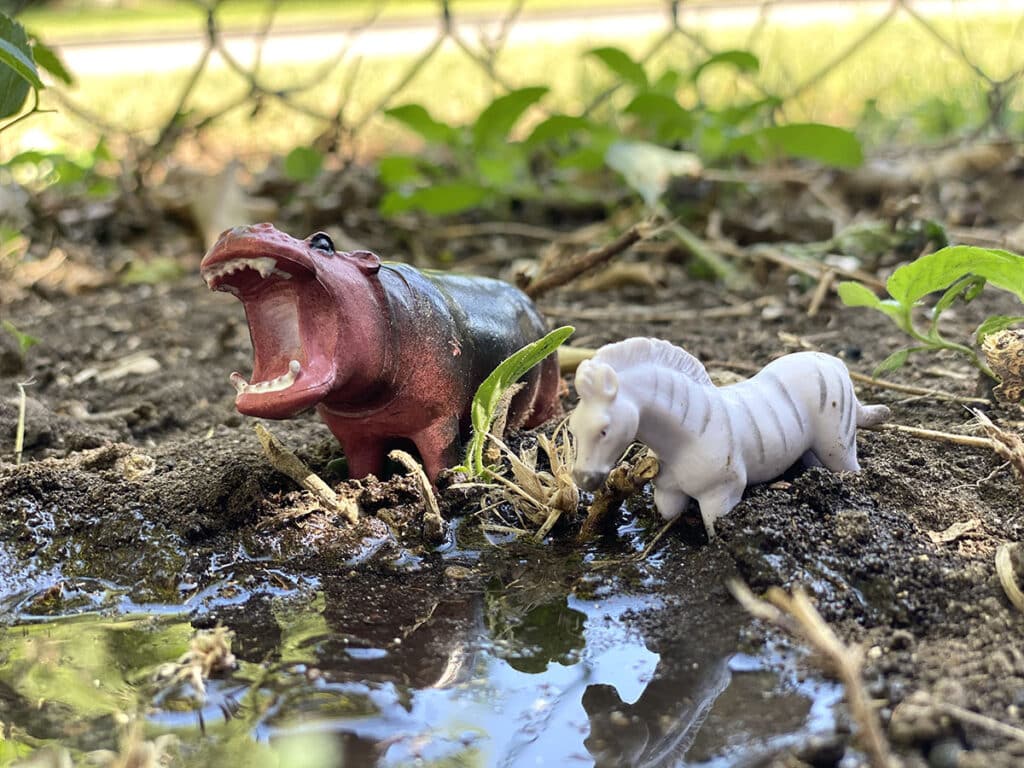
Invite students to browse your still life collection or have them use a small toy or keychain from their backpacks. In five photos, students will tell a short story and personify the object. Review examples of toy photography to inspire ideas. Encourage students to quickly storyboard their narratives in their sketchbooks first. Complete the activity with a brief written narrative to pair with the photos.
8. Dream House Exchange
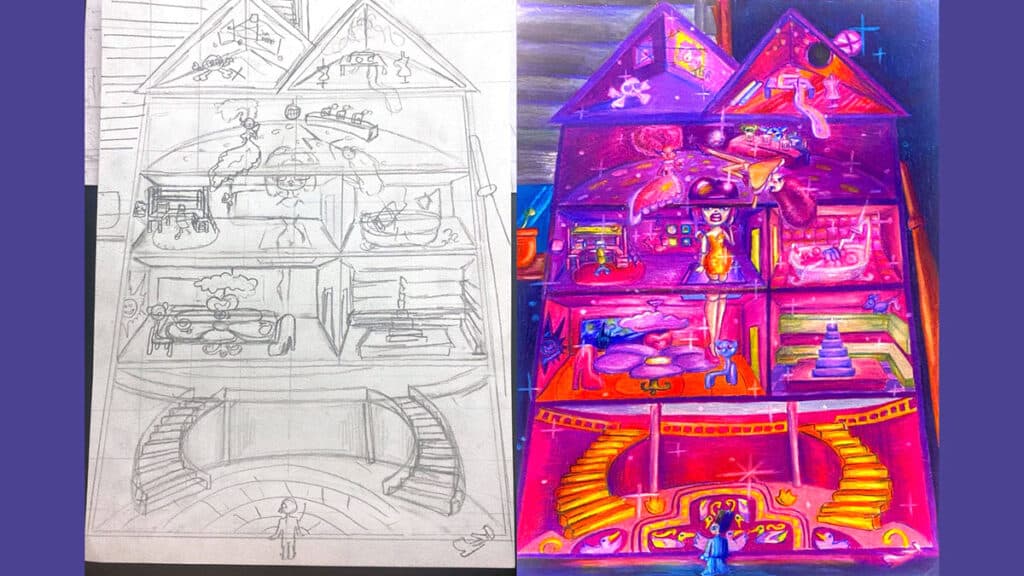
Start with the Dream House Needs and Wants Resource in FLEX Curriculum. Students anonymously write detailed descriptions of their dream house. Prompt them to describe shapes, colors, textures, and surroundings. Emphasize that this is about imaginary dream houses, not real ones, to keep the activity inclusive and sensitive to all students’ home situations.
Collect and randomly redistribute the papers so that each student receives someone else’s description. Give 20 minutes for students to sketch the dream house they received. Turn this into a mini project by adding one-point perspective or teaching parts of a landscape.
9. Find Someone Who Can Draw…
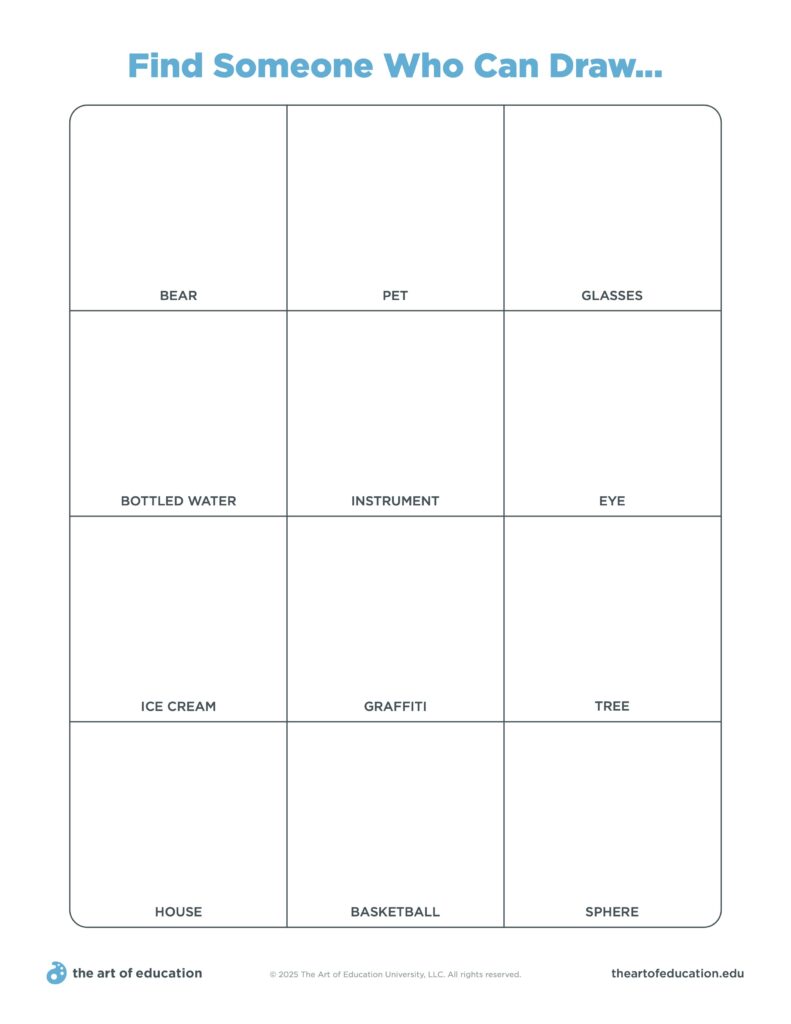
Try this creative spin on Find Someone Bingo! Pass out the downloadable handout below. Students mingle and draw small doodles for one another in each square. To help them interact with a mix of classmates, require them to go to a different peer for each box. At the end, highlight favorite doodles, funny moments, and challenges together.
10. Blind Contour Sketches
Turn blind contour drawings into a game with paper plates and washable markers. Students will put a paper plate on their head and draw a provided object without lifting the marker. Since no one is looking and everyone is drawing (including you!), the playing field is even and pressure-free. When students gain confidence, have them draw a partner. Save the big reveal at the end for lots of laughs!

Coming back from an extended break can feel like starting over, but finding ways to ease back in will make all the difference. Short activities that encourage reflection, creativity, and a return to the basics help students build confidence and transition smoothly. Plus, having student-ready downloads streamlines your prep and adjustment back, too! Start small, stay playful, and trust that these simple moments of joy will set the tone for a positive and inspired return.
What’s your favorite activity to do after a long break?
To chat about icebreaker ideas with other art teachers, join us in The Art of Ed Community!
Magazine articles and podcasts are opinions of professional education contributors and do not necessarily represent the position of the Art of Education University (AOEU) or its academic offerings. Contributors use terms in the way they are most often talked about in the scope of their educational experiences.