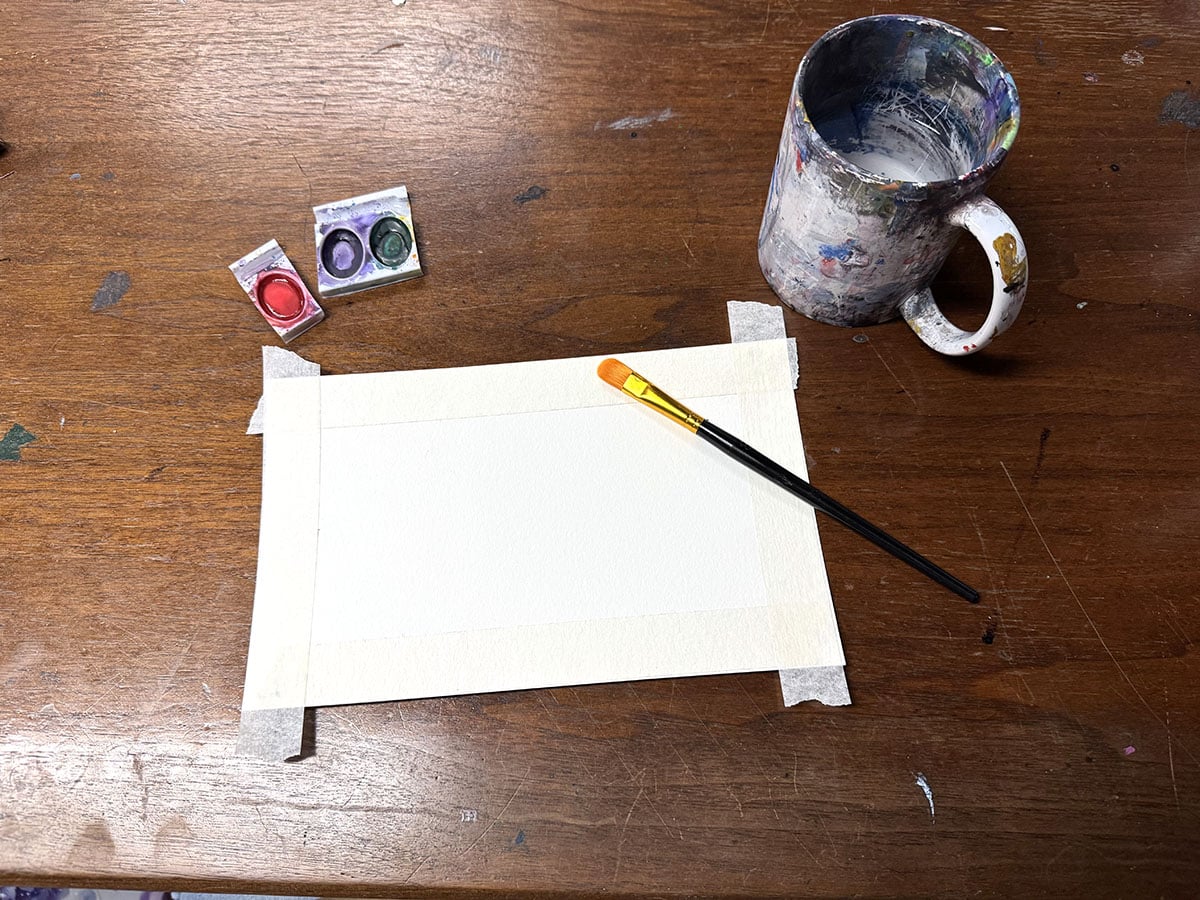
Brainstorming is more than a worksheet—it’s a process of developing ideas. Every artistic medium asks artists to think in different ways, so brainstorming should reflect that. Give students opportunities to develop ideas using strategies that fit the way they create.
Discover 18 brainstorming strategies that match the way students think in drawing, painting, sculpture, ceramics, and photography.

Rethink creative block.
Creative block is not something that only comes at the start of a project. Instead, it can hit at any time. However, young artists can get especially stuck and overwhelmed at the beginning of the creative process, trying to figure out how to gather ideas, develop concepts, and manage a lot of decision-making. Build brainstorming into each phase of the creation process, using strategies that mirror the demands of the media at hand.
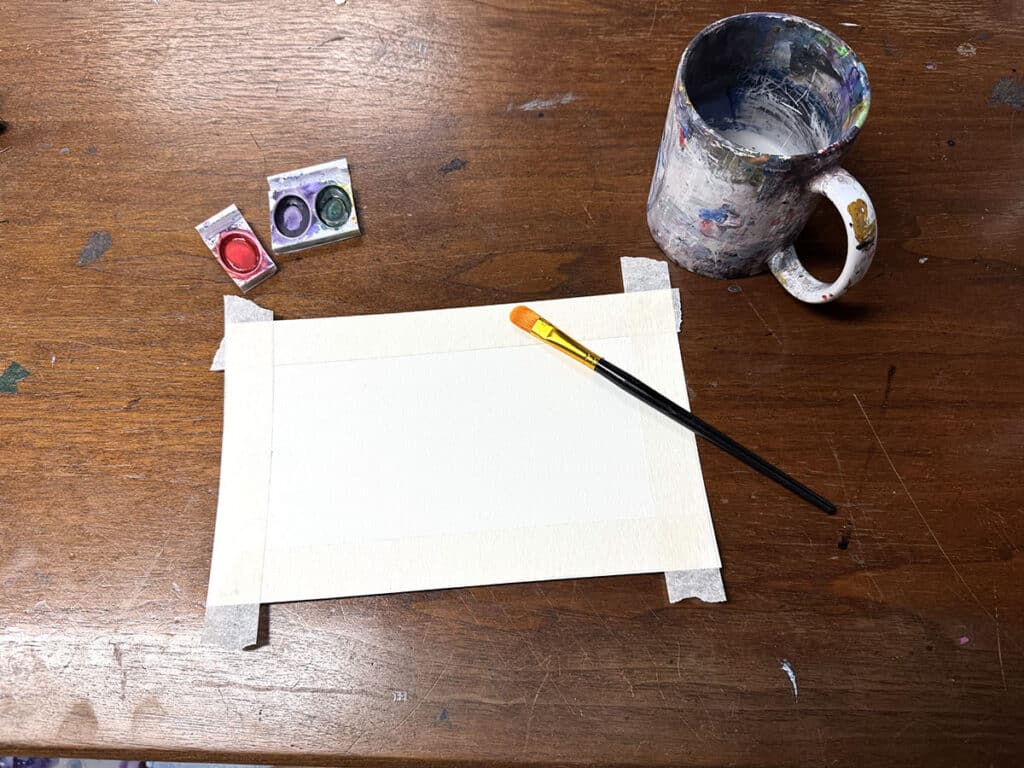
Brainstorm like a drawing artist.
It can be so exciting to take a fresh, pointed pencil or pen nib to a clean sheet of paper and make a mark. However, it can also be intimidating if you’re not sure where to start! While drawing is very accessible because it uses minimal supplies, a final, complete drawing often requires considerable thought and preparation. Drawing is also a common mode to brainstorm for other media!
Here are four drawing-based brainstorming exercises to try:
- Round Robin Pass
Give your class a prompt, such as a shape, character, or single word. Students rotate drawings with their peers every minute, building on each other’s ideas. - Musical Line Drawing
Students draw continuously to music, illustrating the sounds they hear. Each time the music changes, they switch drawing tools, subjects, or mark-making techniques. - 10-Thumbnail Sprint
Challenge students to create 10 tiny composition sketches of items from around the room in two-minute intervals. - Word Association Mash-Up
Generate two unrelated nouns using a dictionary or word generator for students to combine into a single drawing.
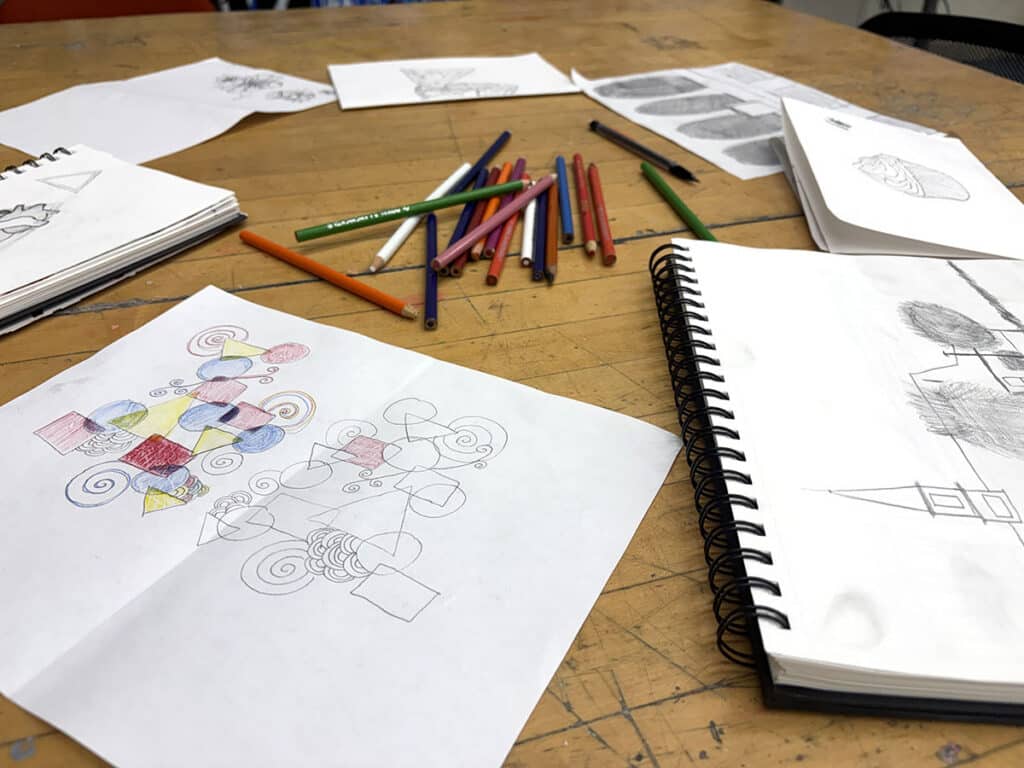
Brainstorm like a painter.
Mixing bright, swirling colors sparks interest in any painting class. Give students permission to test paint colors, brushstrokes, and techniques before starting on the final canvas. This encourages students to take more risks and follow their curiosity.
Here are three painting-based brainstorming exercises to try:
- Limited Color Palette Challenge
Use a random color generator to create a color scheme. Mix those colors into at least five new colors, then use the entire palette to create a small abstract painting. Prompt students to look closely and identify shapes, objects, or ideas to develop into a future artwork. - Painting Remix
Pass out an individual still life object to everyone in class to observe while painting. Every few minutes, stop the group and give them a direction to incorporate into the same painting, such as “make it happier,” “make it darker,” or “turn it into a landscape.” - Unconventional Materials
Give your class three non-traditional materials such as coffee, sand, or leaves to incorporate into their paint or painting. Students try each material, record observations, and use those connections to brainstorm ideas for their final artwork.
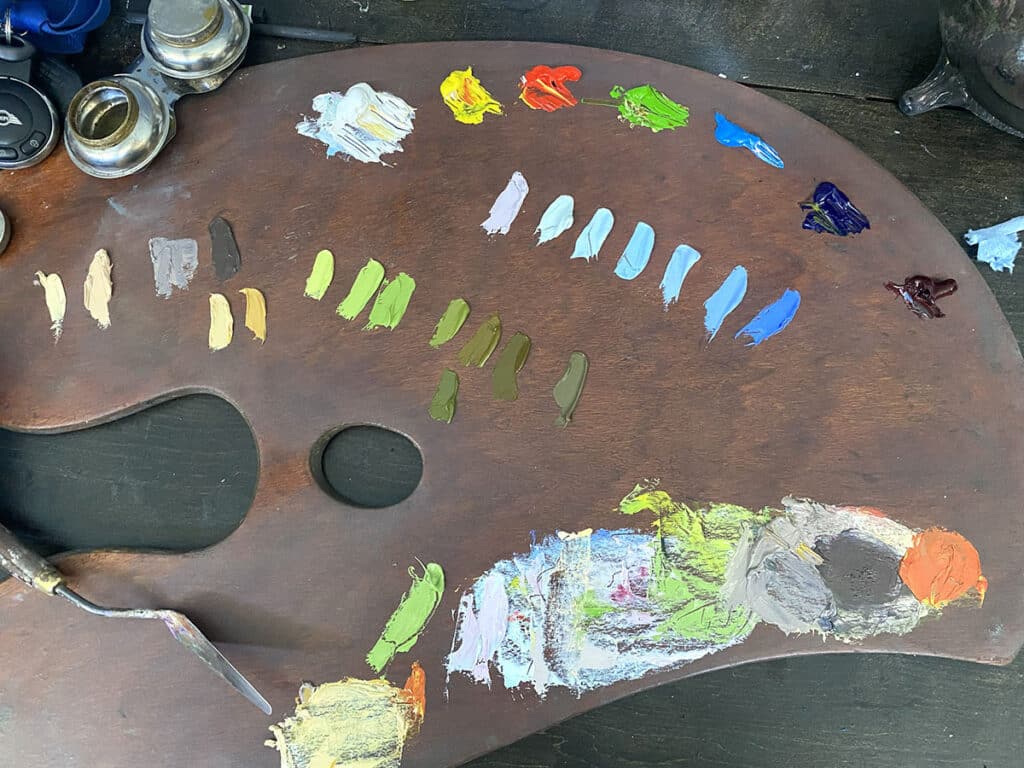
Brainstorm like a ceramicist.
Sitting at a pottery wheel with clay under your palm is both an incredibly tactile experience and a way to push students to be flexible. No matter how much a student plans their project, ceramics can be unpredictable. Embracing the unknown gives students a valuable approach in ceramics.
Here are four ceramics-based brainstorming exercises to try:
- Make it Blindfolded
Remove the sense of sight and rely only on touch to create a piece of pottery from modeling clay or salt dough. - Mini Maquette Challenge
Before beginning a full-scale work, students create several small-scale models to practice proportion, balance, and composition. - Photoshop Brainstorming
Experiment with interestingly shaped pottery pieces. Take 5-10 photos and upload them into photo editing software. Use photo-editing techniques to cut and paste sections of the pottery together to see what different versions may look like. - Bin Sketch
Place the ceramics piece in a clear plastic container. Use a dry-erase marker to draw directly on the container to visualize handles, spouts, lids, and embellishments.

Brainstorm like a sculptor.
The sounds of tools whirring, scraping, hammering, and cutting can create intrigue in the sculpture room. A sculptor considers an artwork from all angles, how it occupies physical space, how materials can change with scale, and how viewers interact with it. Give students plenty of opportunities to test materials, forms, and connections.
Here are three sculpture-based brainstorming exercises to try:
- No New Materials
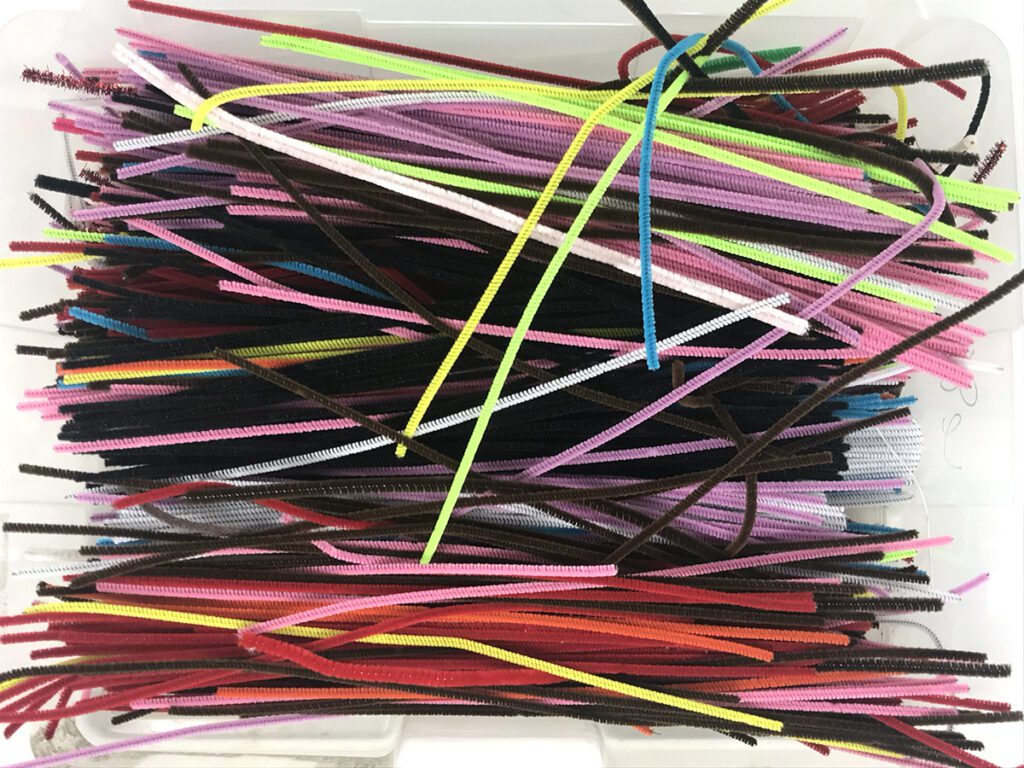
Create a 6-inch sculpture within a 15-minute time limit using found objects in the classroom, with only string, wire, and tape to attach. - 3D Pipe Cleaner Drawing
Students have 1-2 minutes to create a small sculpture using pipe cleaners based on an assigned theme. - Alternate Uses
Choose an everyday object and draw other unexpected ways to use it (other than its intended purpose) in one minute.
Brainstorm like a photographer.
Most students have cameras in their pocket, so photography can feel instantly approachable. However, there is more to making a strong and compelling photograph than meets the eye. Photographers train themselves to notice interesting visuals wherever they are, looking for patterns, details, compositions, and moments.
Here are four photography-based brainstorming exercises to try:
- The Cliché Purge
Assign a broad photography theme such as Texture, Pattern, or Circles. Take three photographs of the most obvious items and ideas associated with the theme. Then, challenge students to “throw them away” and photograph something less expected. - Camera Roll Challenge
Students scroll through their own camera rolls for 5 seconds. When the timer goes off, ask them to share their school-appropriate photo, and critique it using a short rubric. - Magazine Play
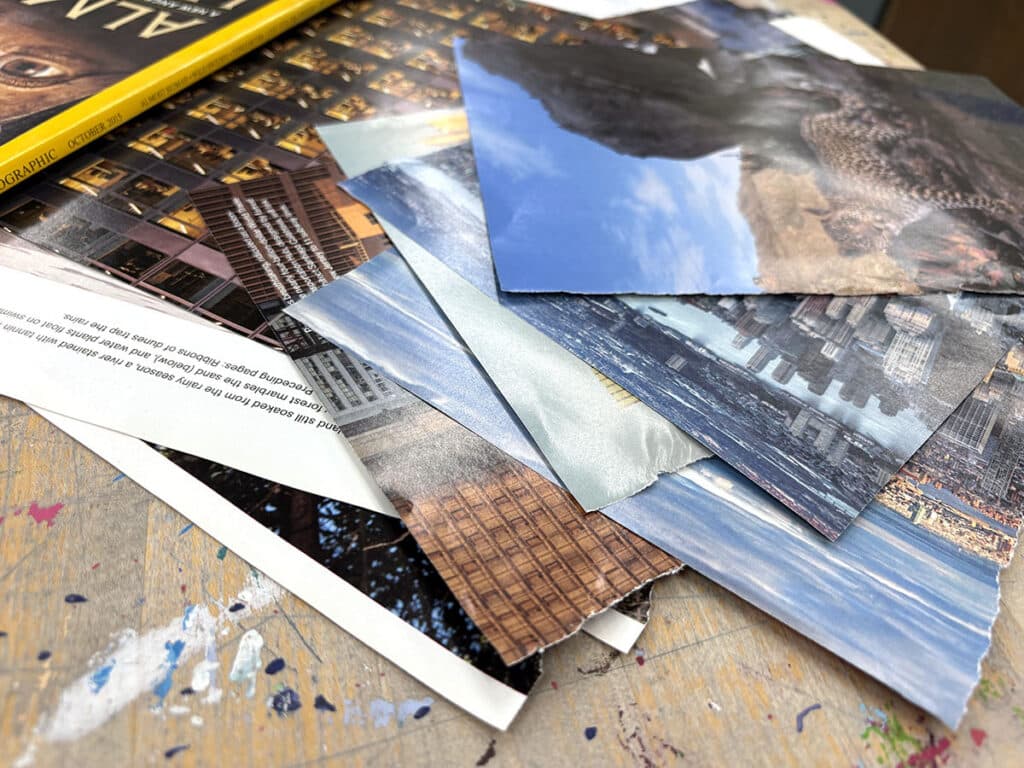
Students select four images from a magazine that are specific to the unit or theme. Fold the image or hold a viewfinder on top to envision various ways to crop the composition. - Mood Boarding Technique
Collage 15-20 magazine images that communicate a feeling or aesthetic. Identify the visual qualities that connect the collection, then take original photographs to replicate the mood.
In math, students learn to think like mathematicians; in history, historians; and in science, scientists. Apply the same disciplinary thinking to the art room and teach your students how to think like artists in their chosen media. Whether students are using unexpected materials, experimenting before committing, or pushing past the obvious, brainstorming should reflect the ways artists actually work. Show them how brainstorming can become a natural part of every step in their creative process.
Which art medium do your students struggle with brainstorming the most?
How do you get your students to think like artists?
To chat about brainstorming with other art teachers, join us in The Art of Ed Community!
Articles and podcasts are opinions of professional education contributors and do not necessarily represent the position of the Art of Education University (AOEU) or its academic offerings. Contributors use terms in the way they are most often talked about in the scope of their educational experiences.