
If you have ever been in an art room, you know that many students freeze when you hand them a blank sheet of paper. One of the biggest misconceptions we face as art educators is that giving students free rein fosters creativity. However, students are more creative when they know what to expect, because they feel comfortable trying new things. So how do you introduce structure into a creative space with intention?
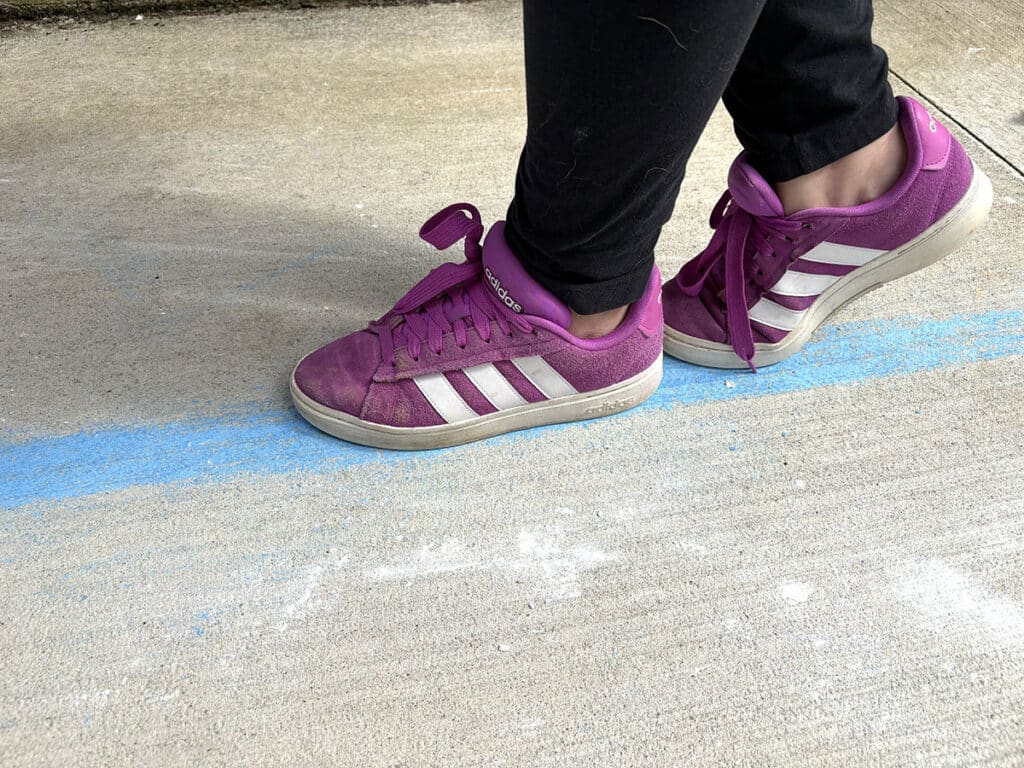
Walk the line between freedom and structure with these five art room approaches.
1. Predictable routines create security.
One of the quickest ways to sabotage a student’s creative process is to leave them guessing. Where do I find supplies? What do I need to turn in? When is it time to clean up? Consistent routines reduce anxiety and build students’ confidence. Routines reduce cognitive load so your students can focus on creating, composing, experimenting, storytelling, and problem-solving. Plan your classroom structure so each class follows a familiar rhythm using recurring activities such as bellwork, sketchbooks, mini-lessons, demonstrations, studio time, and cleanup.
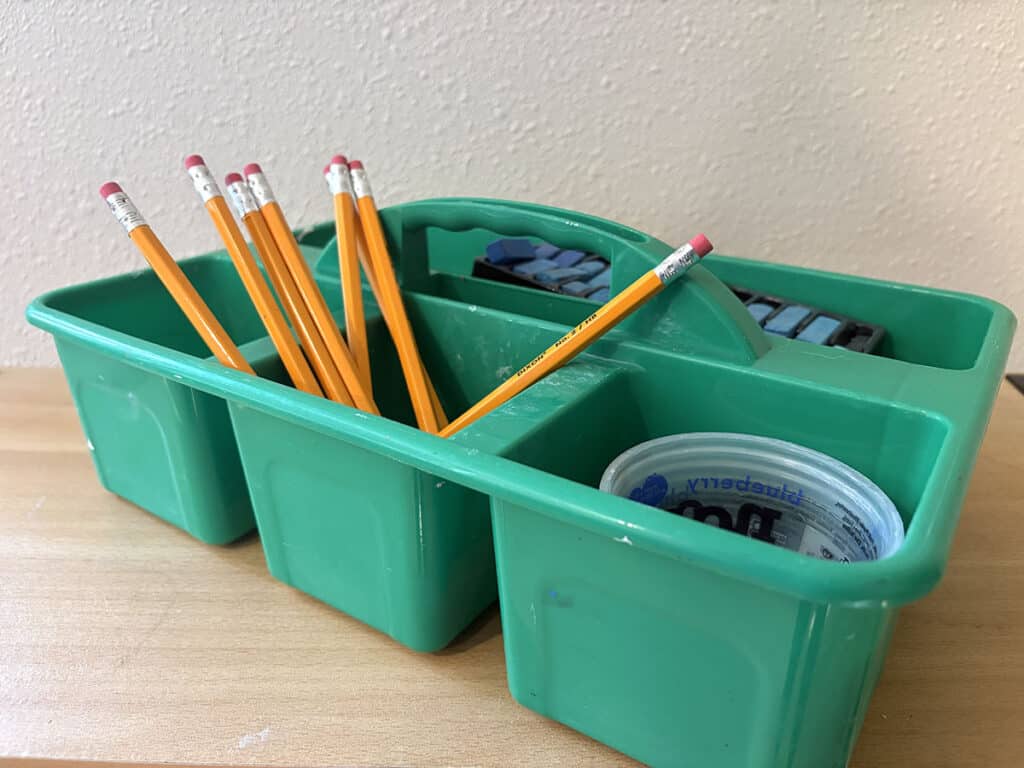
Help your students reduce their cognitive load with these material distribution routines:
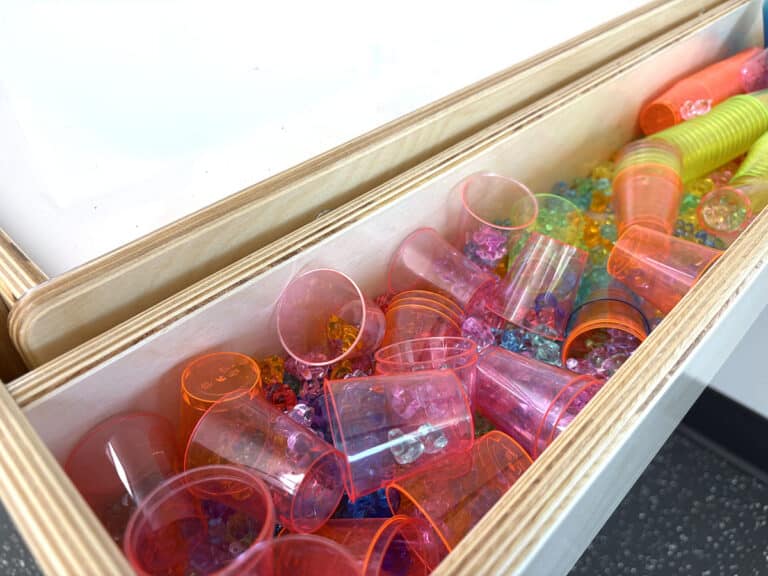
- Use mugs with brushes and water already in them
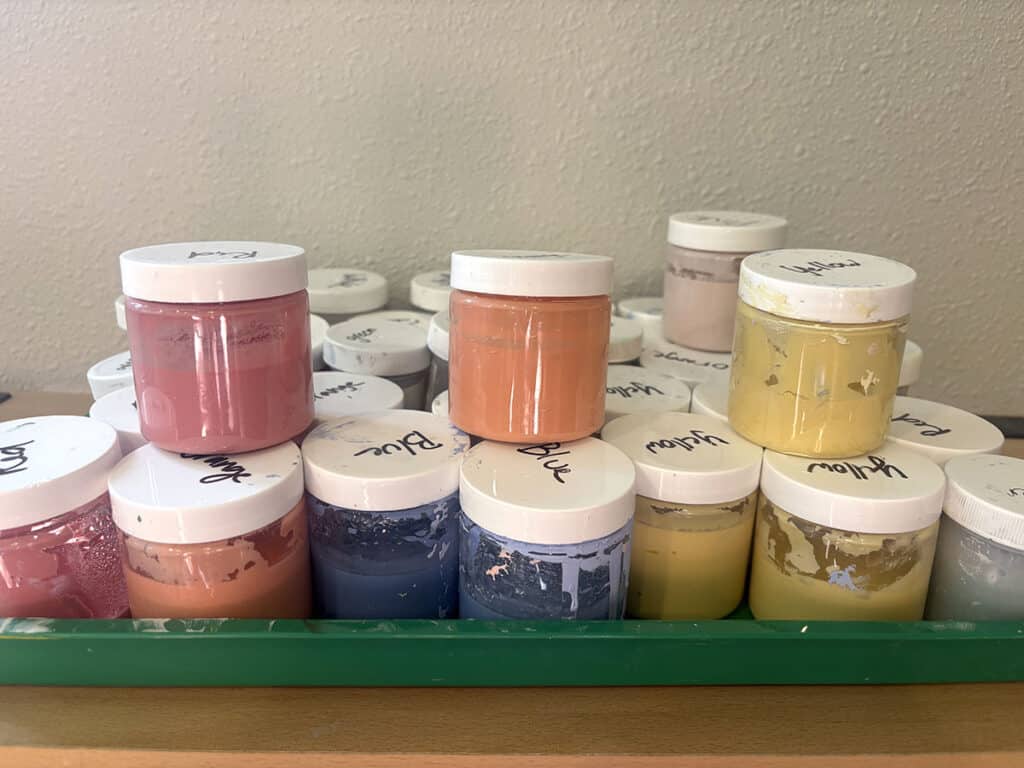
- Load glaze into small plastic pots with lids
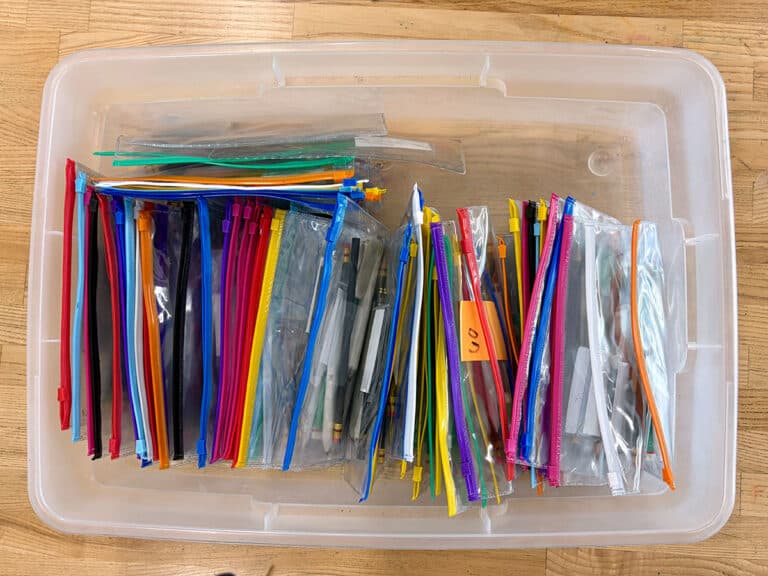
- Repurpose everyday items to organize supplies
2. Meaningful choice builds ownership.
Students want guidance to make their artwork, but they also want it to feel like their own. If you decide everything for them, they will quickly lose motivation. Students are more engaged when they have meaningful opportunities to make decisions in their creative process.
Offering choice and structure can go hand in hand and will look different at each grade level. For elementary students, keep choices simple, like choosing between two color schemes. For middle school students, allow them to select from a pre-approved “buffet,” such as choosing an artist from a provided list as inspiration for their landscape project. High schoolers can take even more ownership over medium, composition, and concept, and if they’re in advanced courses, it’s required.
Integrate meaningful choice using these FLEX Curriculum resources:
- Prompts and Themes for Choice-Based Art Activities
- Fall Sketchbook Choice Board
- Planning an Artwork with Meaning
- Creative Marks Anchor Chart
3. Scaffolded creative thinking builds confidence.
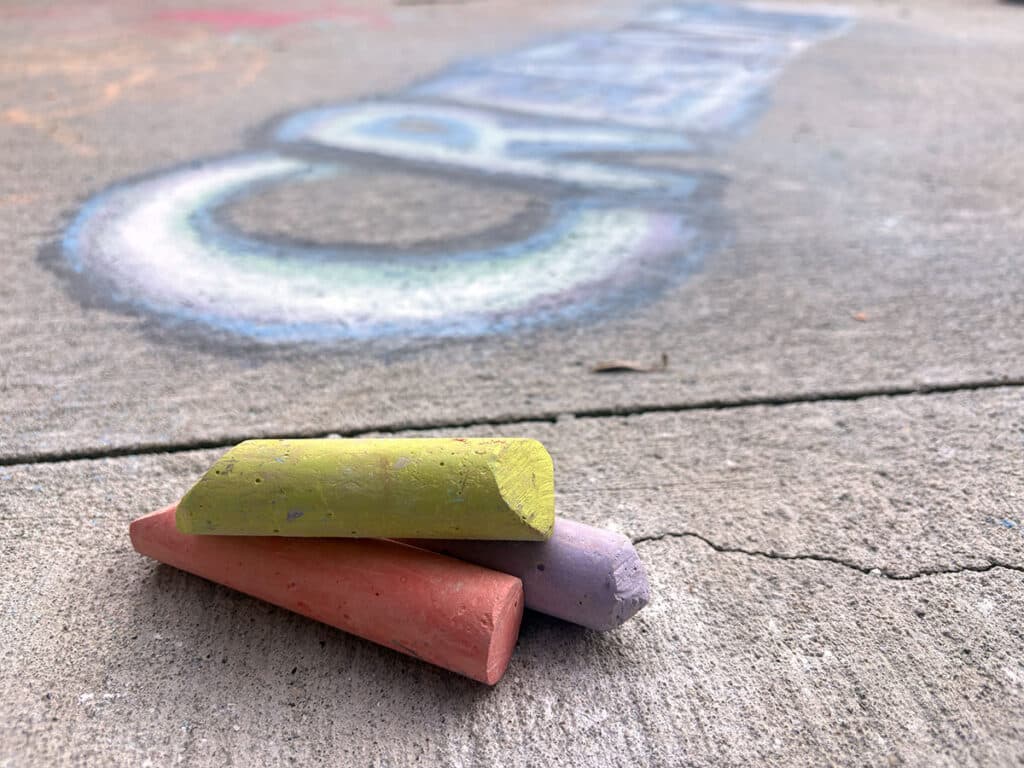
We often think of creativity as something students either have or don’t have. But even for the most creative icons, creative ideas don’t appear magically—they learned and nurtured them over time. Creative freedom grows when students have opportunities to practice brainstorming, sketching, planning, and skill-building without fear of failure. One low-stakes way to scaffold creative thinking for any grade level is through a mystery bag challenge.
Guide students through the challenge with these six steps:
- Prepare your mystery art bags.
- Introduce the challenge inspiration.
- Explain the rules.
- Create masterpieces!
- Host a gallery walk and share compliments.
- Wrap up with a quick chat about perseverance, problem-solving, and working through limitations.
4. Gradual independence builds autonomy.
If you were to teach a student how to throw on the pottery wheel, you wouldn’t just hand them clay and walk away. You would start by demonstrating, then coaching, encouraging, and slowly backing away as they become more confident. (The “I Do, We Do, You Do” model.) Gradual release builds autonomy by slowly shifting responsibility from the teacher to the students. Foster creative independence in the same way.
Gradually increase student independence in three stages:
- Introductory Classes: Several demonstrations and checkpoints with clear expectations
- Intermediate Classes: Intentional reviews of content and expectations with student-led goals, checklists, and choice boards
- Advanced Classes: Open-ended prompts, greater autonomy, and more responsibility
Incorporate milestone checkpoints into your curriculum pacing to prevent nagging and the need to remind students. It’s also an opportunity to guide students through the decision-making process so they can learn how to navigate revisions, pivots, and refinements. At these checkpoints, students can pause, reflect, confer with you, and then move forward independently with adjusted goals. It can take the form of a peer critique, a progress reflection, or a proposal for a new idea.
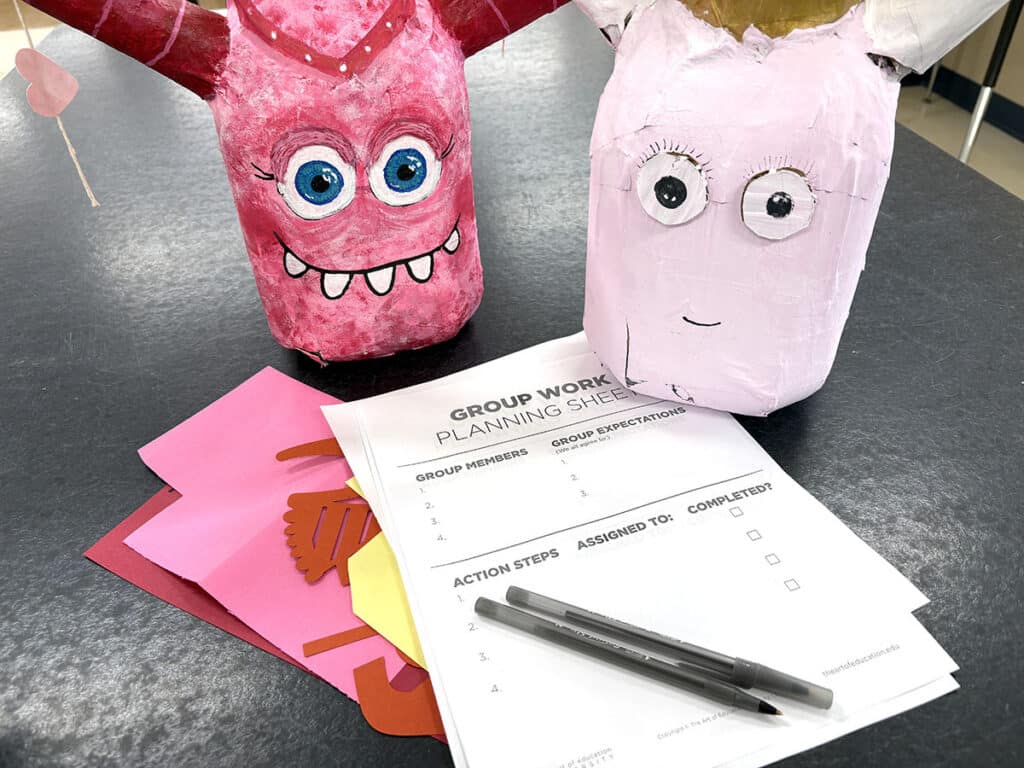
Help students stay on track by using these FLEX Curriculum tools:
- Project Pacing Goal Sheet
- Growth Self Assessment & Action Plan
- Group Work Planning Sheet
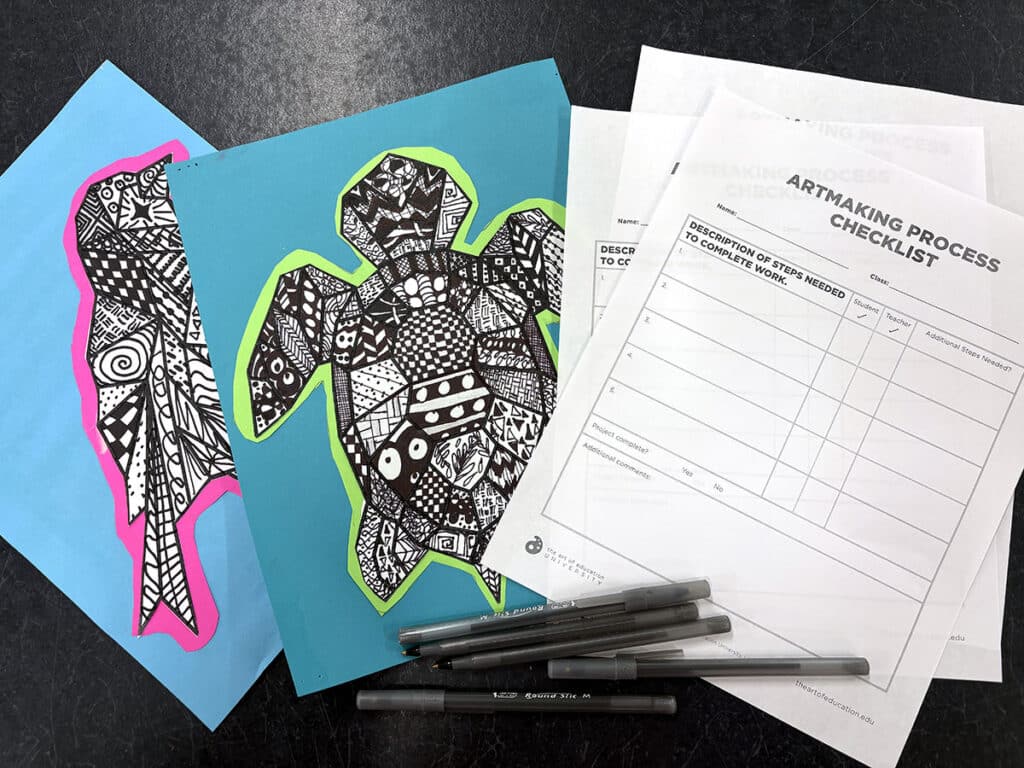
- Artmaking Process Checklist
5. Meaningful assessment and reflection encourage growth.
Remember when you first used a real camera—your first photographs were probably out of focus. If your art teacher only told you to “keep trying,” you would never progress. Clear feedback tells students what they need to do to succeed in your class and in their artwork, freeing them to take more creative risks. Detailed rubrics, evidence-based constructive feedback, and thoughtful artist statements encourage students to find unique solutions while still demonstrating an understanding of the learning targets. These multiple avenues for assessment also provide a more complete picture of student learning.
Incorporate these two assessment routines into your classroom:
- Share the rubric before students begin.
- Include a reflection or artist statement so students can explain decisions that are not easily noticeable in their artwork.
Pablo Picasso may have said that “Art is chaos taking shape,” but that does not mean that creativity thrives without structure. Creativity flourishes when students feel supported in taking risks and expressing their artistic voice. Routines and clear expectations show students how to succeed, build confidence, and give them a framework to contain and display that “chaos.” Know that a healthy dose of structure will, in turn, foster creativity and nurture artists who will walk the line well between autonomy and asking for feedback.
How do you balance creative freedom and structure in your art room?
What is one routine your students love that encourages meaningful choice?
To chat about how you walk the line between creativity and structure with other art teachers, join us in The Art of Ed Community!
Articles and podcasts are opinions of professional education contributors and do not necessarily represent the position of the Art of Education University (AOEU) or its academic offerings. Contributors use terms in the way they are most often talked about in the scope of their educational experiences.