
Art teachers have the potential to make an amazing impact in the lives of their students—but you don’t have to do this alone. You have so many built-in partners for your art program through parents and caregivers. Maximize your rapport with them to harness their support for years to come. When parents understand what happens in your art room, they’re more likely to celebrate growth, advocate for supplies, and become active themselves.
Discover the answers to the top five parent-related questions below and watch parent involvement grow this year!
1. How can you get to know parents?
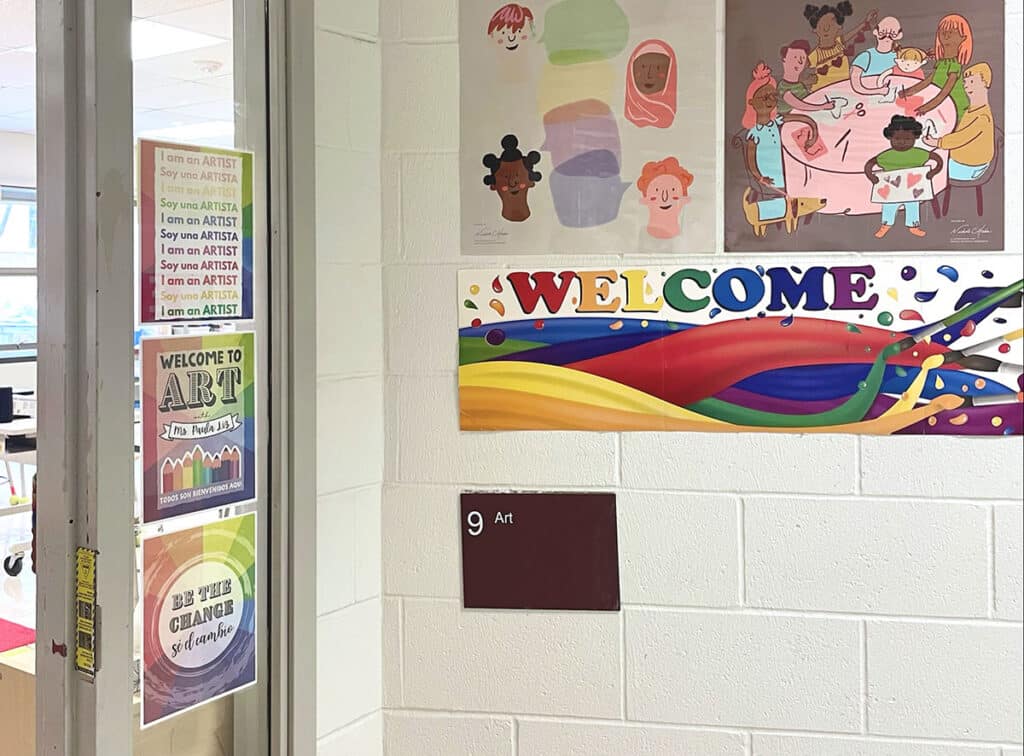
The first step in increasing parent involvement is to introduce yourself. Send out an email to all parents with your picture, a few facts, and links to their student’s learning goals for the year. This allows them to recognize you during Back-to-School Night and ensures that most families receive the information, even if they don’t attend. During open houses and parent-teacher conferences, stand outside of your room to invite families in, just like you greet students.
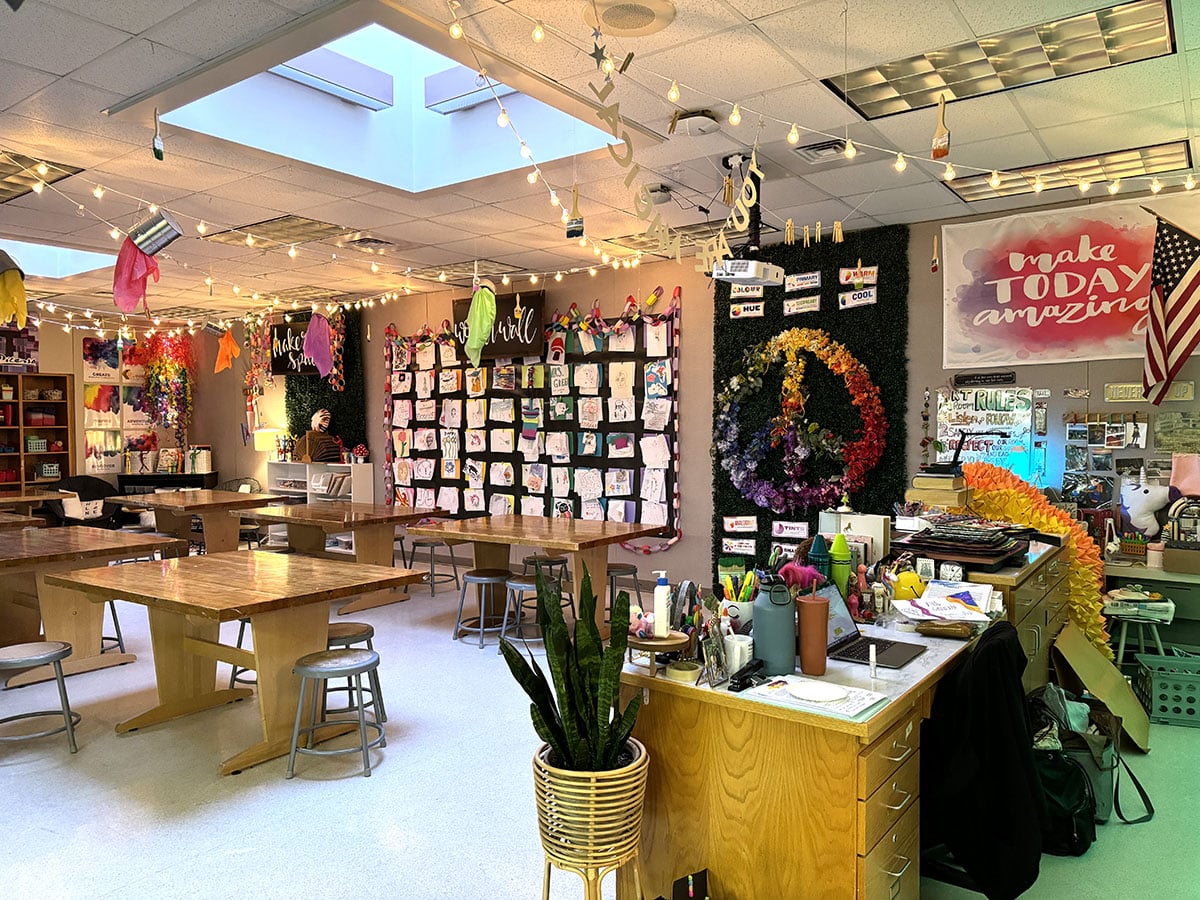
Try these fun ideas to encourage parents to come into the art room:
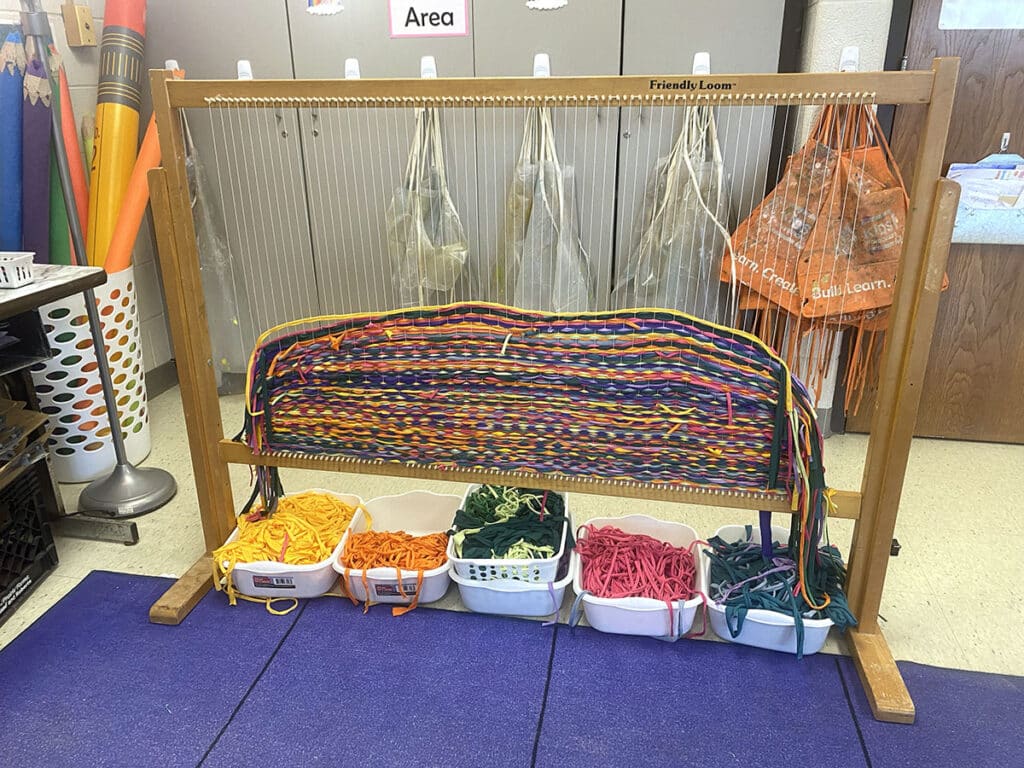
- Provide a hands-on activity, like a loom or monotype printmaking
- Set up Guess the Artist with five famous artworks and hand out small prizes
- Structure the event so parents go through all classes according to their student’s schedule
- Distribute a Famous Artwork Scavenger Hunt around the school for a prize
- Vote for your favorite modern artwork displayed in the art room
- Create a simple interactive installation for students and parents
- Invite students to show their parents what they’re working on
2. Why get parents or caregivers involved?
Teaching art is much bigger than the projects you do each year. Learning about and experiencing art changes how a student sees and interacts with the world long after they leave your classroom. Involvement in the arts increases civic engagement and social tolerance, and supports development. Getting families involved, whether they’re parents or caregivers, enriches the lives of your students and creates more connections and opportunities for all.
3. What if parents don’t want to get involved?
There are so many things competing for parents’ attention, especially if they have multiple children. It can be challenging to find space in their busy schedules to support the arts and your program. Fortunately, most parents want their students to succeed, including in your class!
One way to boost involvement is to make it easy for them by removing as many barriers as you can. It may seem silly to send multiple messages about the same thing. However, many parents miss notifications, and not all students communicate with their parents when they get home.
Make your asks specific to reduce their decision-making. For example, instead of asking parents to schedule a time to volunteer, send an email inviting them to come on a specific day during lunchtime (and bring their lunch!) This way, parents can simply send one response, yes or no, and many may be able to use their given lunch break without having to take leave.
Over-communicate with parents with these six ideas:
Note: Follow district and school policies regarding student cell phone use, taking/using photos and videos, and social media.
- Record a brief introductory video of you sharing sample artwork, a course overview, and fun facts
- Post events to your district and/or school’s social media
- Create a social media account for you professionally and/or your art program
- Ask parents who are in a creative field to be a guest speaker
- Prompt students to ask their family about their favorite artwork, architecture, or memory in art, and share in the next class period
- Send home art show invites multiple ways: flyers, social media posts, email, and word-of-mouth
Despite all of your efforts, some parents may not want to get involved—and that’s okay. Lean in and trust that time and dedication will do the work for you. Often, our reputations precede us, and involvement increases as we teach more members of the same family or neighborhood.
4. When is the best time to send art home?
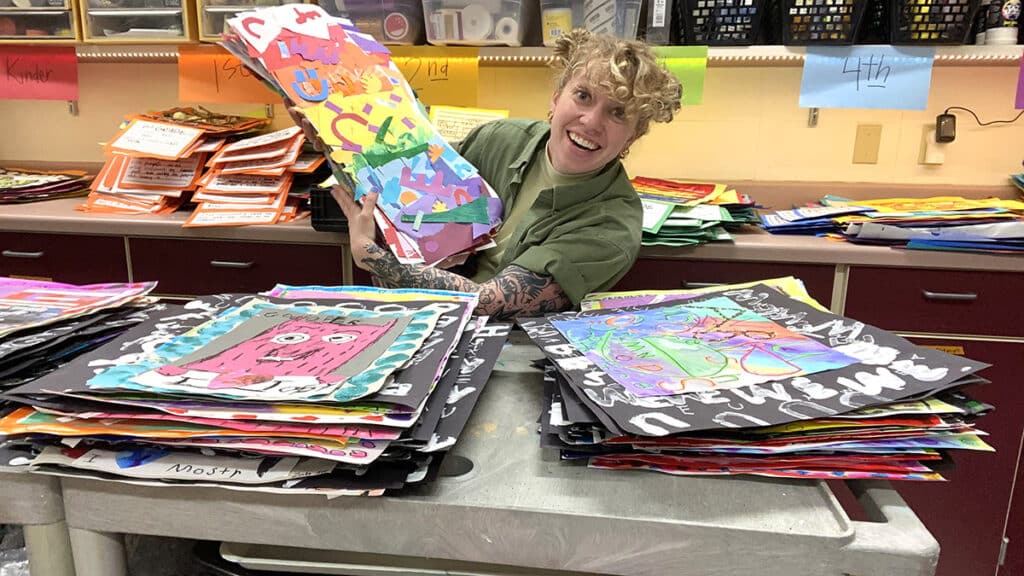
While it is convenient to keep artwork so you have everything you need when you need it for art shows, contests, and end-of-year portfolios, it can reduce opportunities for parents to talk with their student about their work. Consider a few projects you can send home during the year. Lessons that make you wonder how they were made, or that focus on self-expression or storytelling, are great options for sparking discussions with families.
Before sending work home, set aside a few minutes to take pictures for future advocacy needs, your teaching portfolio, and to make learning visible. With each artwork you send home, attach information for parents on how to talk to their student about their art. Likewise, you can snap a picture of student work and send it to parents digitally, with the same resource. If you have older students, you can encourage them to text their work directly to their parents, as long as everyone follows district and school phone use policies.
5. How can you maximize parent engagement during conferences?
Before conferences, invite students to come with their parents for a small incentive. During the conference, encourage them to show their artwork and sketchbooks, and give their parents a quick tour of the classroom. If you don’t have access to your classroom during conferences, bring a few examples from class so parents can see what you’re talking about.

Increasing parent involvement doesn’t have to be a giant endeavor. Start with one manageable step, such as sending an art project home, sharing a quick update, or creating a hands-on open house activity. Small, consistent efforts help families see the learning happening in your art room, build trust, and open the door to future support. Over time, these connections strengthen students’ creative experiences and help parents recognize the lasting value of art education. Choose one idea to try this year and see how it grows parents into partners.
Share one parent communication method you’ve found success with.
What is one unique way you increase parent involvement in your art program?
To chat about parent involvement with other art teachers, join us in The Art of Ed Community!
Articles and podcasts are opinions of professional education contributors and do not necessarily represent the position of the Art of Education University (AOEU) or its academic offerings. Contributors use terms in the way they are most often talked about in the scope of their educational experiences.