
Artificial Intelligence (AI) is changing schools and classrooms in remarkable ways. Students can generate images, get help with assignments, and receive feedback—all within seconds. Art teachers can use AI to whip up a lesson plan, adapt an assignment, or compile a rubric to streamline their prep time. As we model how to use AI appropriately as a tool to support human creativity, it’s important to be mindful of the skills it simply cannot replace in the art room.
Discover five irreplaceable skills students learn in visual art.
While we, as art teachers, know the value of what we do, sometimes administration, colleagues, parents, and students may not. It’s important to share the benefits of visual art with clear data in a way others will understand. Find printable resources ready to go with tips to advocate with strategy and confidence over at the Center for the Advancement of Art Education (CAAE).
1. Art teaches fine motor skills.
Picture This: You pull out rulers for a perspective lesson, expecting students to have the foundational skills to use them. Instead, you discover some don’t know how to hold a ruler to draw a straight line, connecting two points.
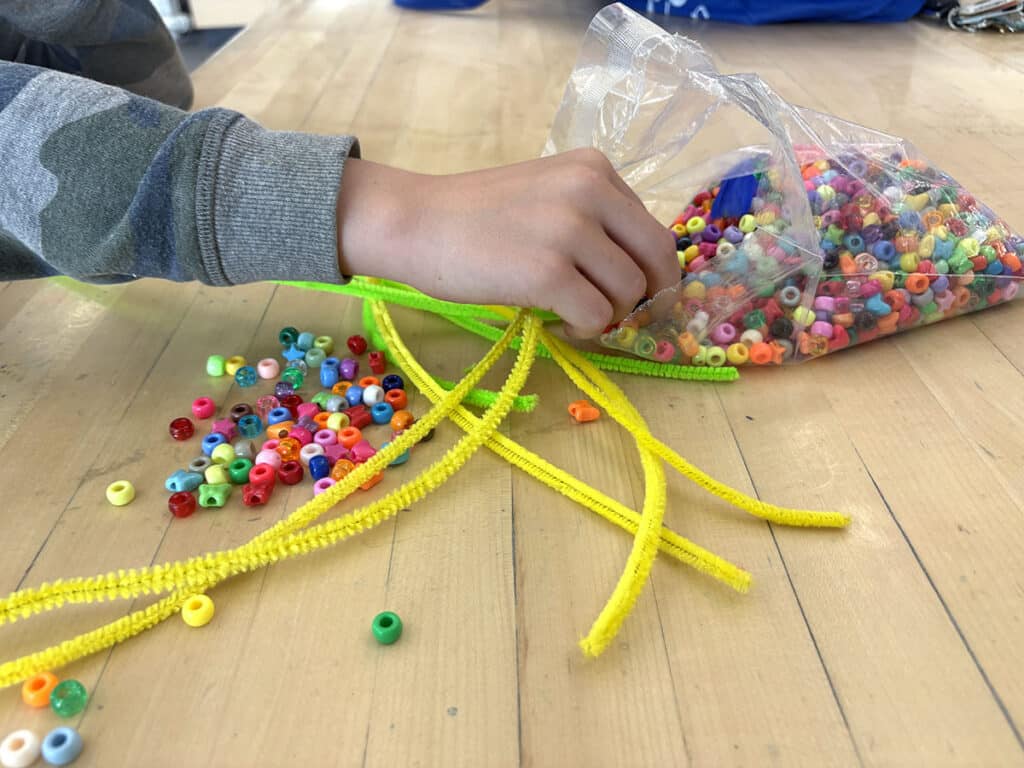
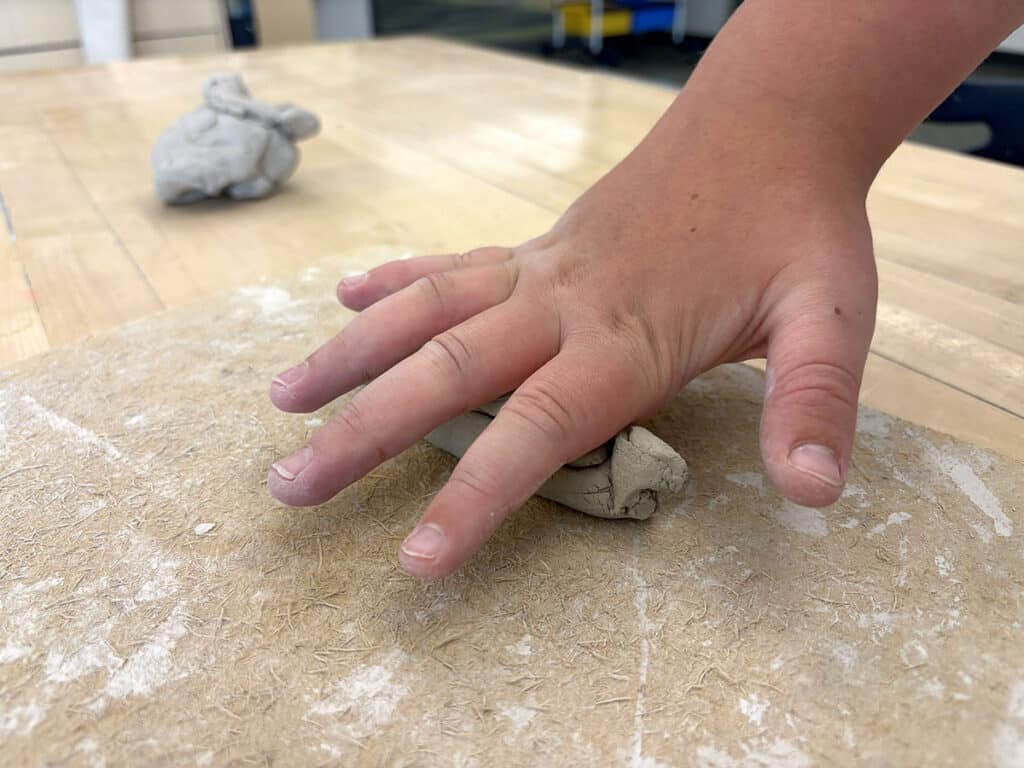
According to Michigan State University, art strengthens fine motor skills through painting and drawing, which develop the muscles needed for writing and other controlled movements. Art lessons naturally provide students with hands-on opportunities to build these skills and boost hand strength. The art room connects students with vital learning beyond clicking and swiping.
Art room tools and activities foster:
- Tactile Perception
- Grip Control
- Wrist Stability
- Precision
- Coordination
2. Art teaches students to slow down.
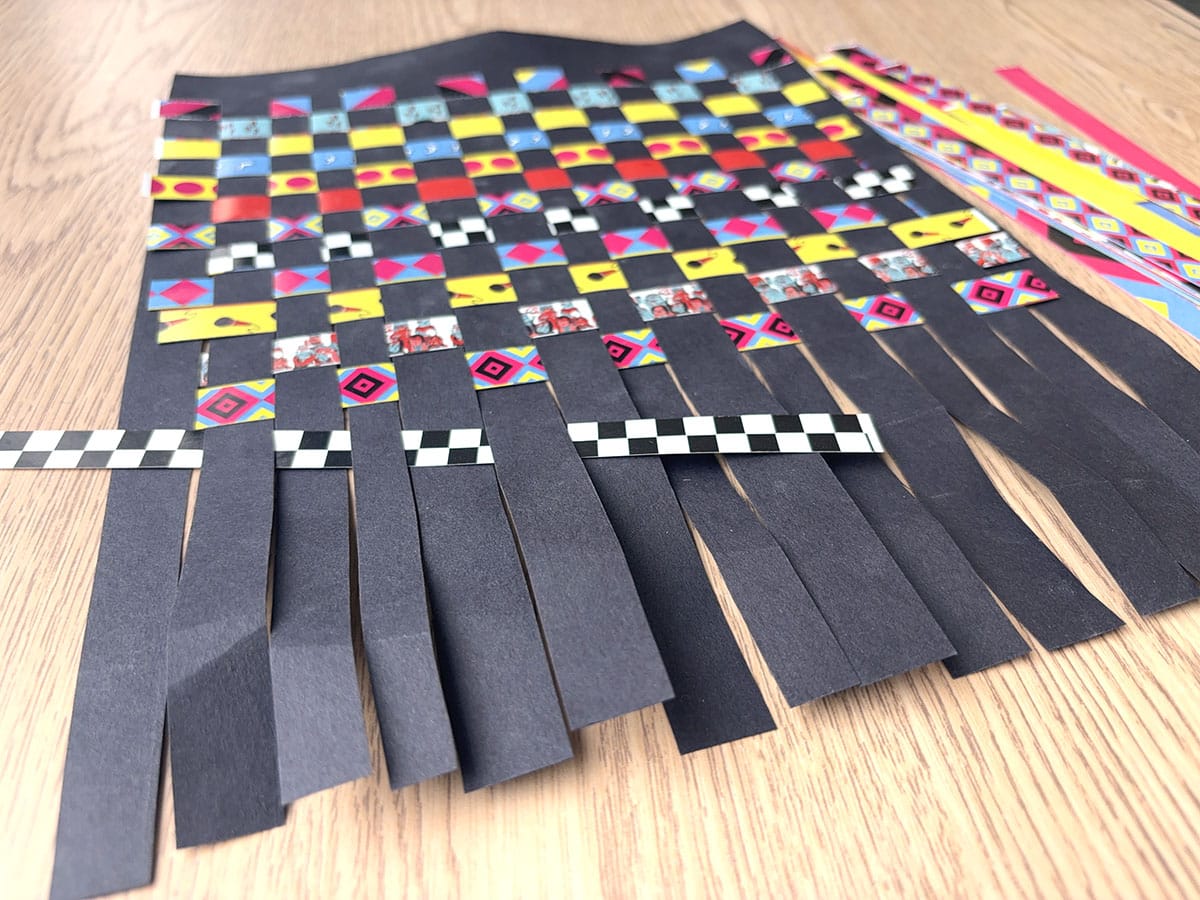
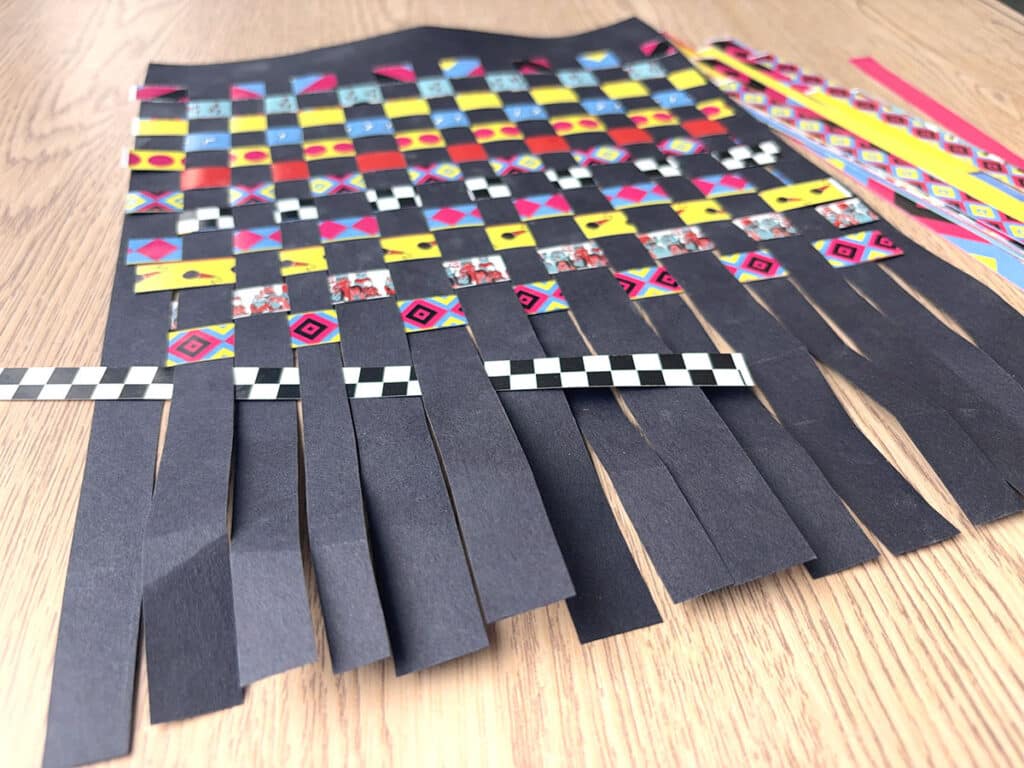
Picture This: You just demonstrated the day’s weaving project, only to see students become frustrated when the pattern doesn’t emerge right away. You realize they don’t have the stamina and patience for this art form.
A recent study found that frequent AI usage was correlated with a preference for quick solutions. Students are accustomed to instant gratification through fast answers, immediate images, and short attention spans. They get easily discouraged when learning doesn’t come quickly or easily, and when they need to think critically or persevere over a longer duration of time.
In contrast, the art room asks students to slow down, observe, practice, and revise. Art gives students the opportunity to work through challenges, which is why more educators are finding that centering learning around the arts creates space for students to relax, stay present, and make meaningful connections.
3. Art teaches students to embrace their hidden strengths.
Picture This: You have a new student starting your class this semester, and you quickly learn that art was not their first choice. They clearly don’t want to be in your room, and they spend the period on their phones.
Personalized algorithms reinforce students’ existing interests by showing them more of what they already engage with. However, scrolling doesn’t bring lasting fulfillment or a sense of purpose to students’ lives. When students play in art and discover newfound passions and skills, it results in improved mental health, a hopeful direction for their future, and stronger relationships. The art classroom gives students the opportunity to explore a part of themselves that an algorithm never could.
4. Art teaches students to put a personal touch on their work.
Picture This: You hand out sheets of paper and provide a drawing prompt. During work time, you notice students staring at blank pages and asking each other, “What are you drawing? What should I draw?”
Students are often accustomed to reproducing what they see online rather than developing their own ideas. As AI-generated images become more common in schools and everyday life, students are increasingly exposed to content that is easy to accept without questioning or changing.
The art room encourages students to make choices, solve problems, revise outcomes, and create something personal. The creative process reminds students that human ideas and thinking still matter. Teaching students to value their process and decision-making also shows that the value of art lies not just in the finished product, but in the work that happens behind the scenes along the way.
5. Art teaches students to show craftsmanship.
Picture This: There’s always at least one student who rushes through everything. No matter how often you tell them to slow down, they rush through, produce low-quality work, and finish before everyone else in the room.
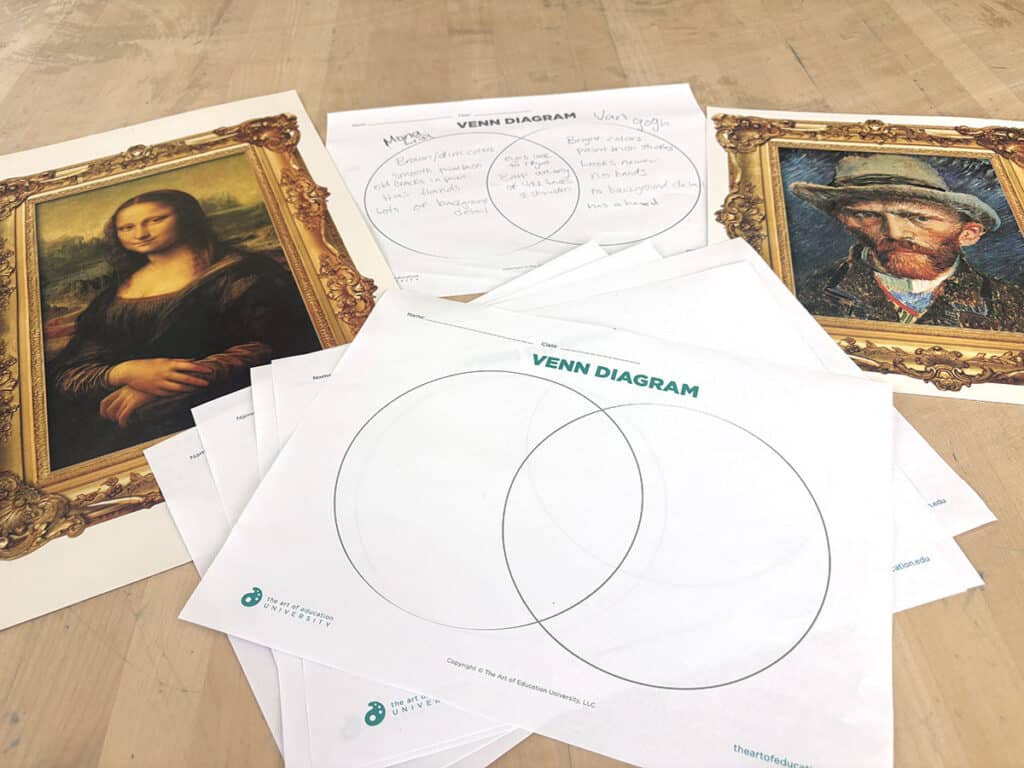
Students can generate a picture or snap a photo in seconds, and if they don’t like it, they can delete it and make another. It may feel pointless to spend time and effort creating their own when imagery is instant and disposable. The art room challenges students to respect materials, pay attention to details, and ensure work is clean and precise. The result? Fantastic artwork and, more importantly, students who take real pride in what they made.
We know that AI is here to stay. It has several benefits and can help both art teachers and students when used appropriately. However, it’s crucial that we continue to advocate for the important skills that only develop in the art room. Slowing down, persevering, thinking critically, and improving fine motor capabilities are all lifelong skills that students need to be career-ready. As technology advances, so does our need for human experiences. That’s the bigger picture—and why art is essential now more than ever.
What is one irreplaceable skill that students develop in your art room?
What experiences in your classroom are uniquely human and show that creativity still matters?
To chat about the irreplaceable value of art in education with other art teachers, join us in The Art of Ed Community!
Articles and podcasts are opinions of professional education contributors and do not necessarily represent the position of the Art of Education University (AOEU) or its academic offerings. Contributors use terms in the way they are most often talked about in the scope of their educational experiences.