Curriculum

Top Art Analysis Activities & How to Assess Thinking and Reflection in Sketchbooks (Ep. 6)

What can a sketchbook reveal about student learning? More than you might think.

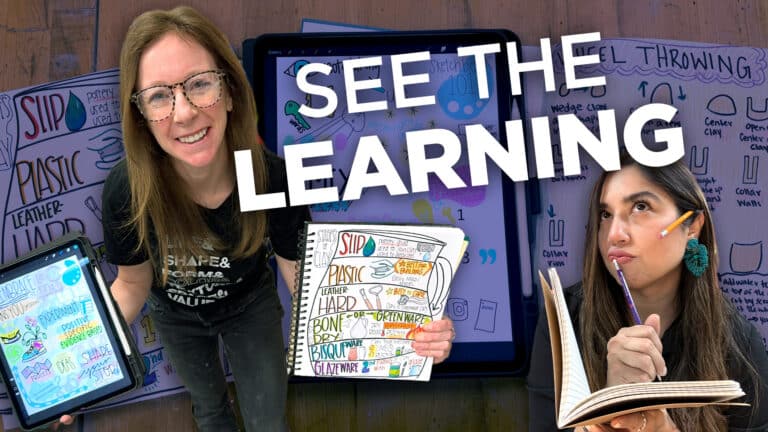
In this final episode of The Art of Education’s Sketchbooks 101, elementary art teacher Nylah Khan and high school art teacher Crystal Dunn share sketchbook activities that help students slow down, analyze artwork, reflect on their own creative choices, and make their thinking visible.

In this episode, you’ll discover:

  • Zoom In and Zoom Out observation activities
  • Connecting the Elements of Art to the Principles of Design
  • Various ways to level up artwork analysis
  • Peer feedback and sketchbook “Instagram” walks
  • Artist statements and post-project reflections
  • Self-assessment and student goal-setting
  • Quick weekly checks and deeper sketchbook check-ins
  • Assessing exploration, risk-taking, brainstorming, and growth
  • Streamlining sketchbook assessment to focus on process over artistic talent

The goal isn’t to grade how “good” a student’s drawing looks. Instead, sketchbook assessment can help you see how students think, experiment, problem-solve, reflect, and grow. When students understand that sketchbooks are places to learn rather than perform, they become more willing to take creative risks and leave their thinking visible on the page.

Watch for strategies and activities to analyze art with the Pack Methods for Analyzing Art in PRO Learning.

To chat about sketchbooks with other art teachers, join us in The Art of Ed Community!

Articles and podcasts are opinions of professional education contributors and do not necessarily represent the position of the Art of Education University (AOEU) or its academic offerings. Contributors use terms in the way they are most often talked about in the scope of their educational experiences.

ABOUT THE AUTHOR

Lindsey McGinnis

Lindsey McGinnis is AOE’s Media Content Manager and a former high school art educator. She is passionate about equipping art teachers to be successful in their classrooms and firmly believes that art is the best place for students to explore and process the challenging topics and concepts around them.

More from Lindsey