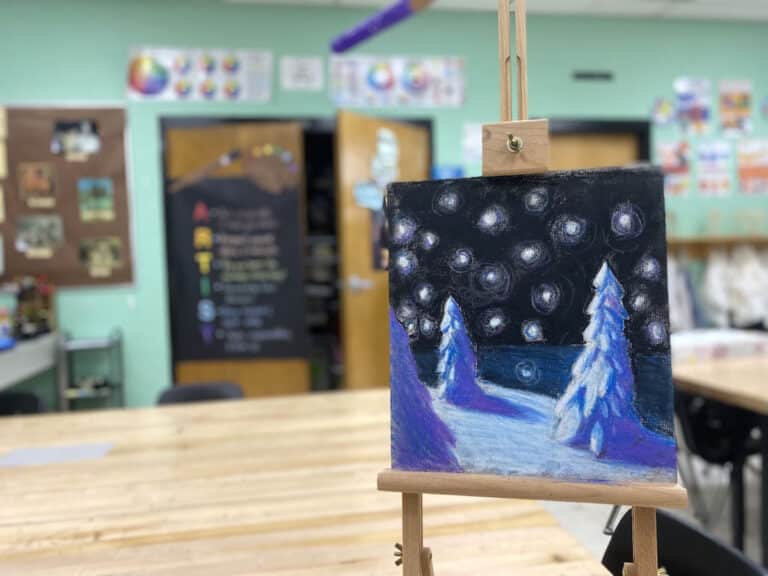

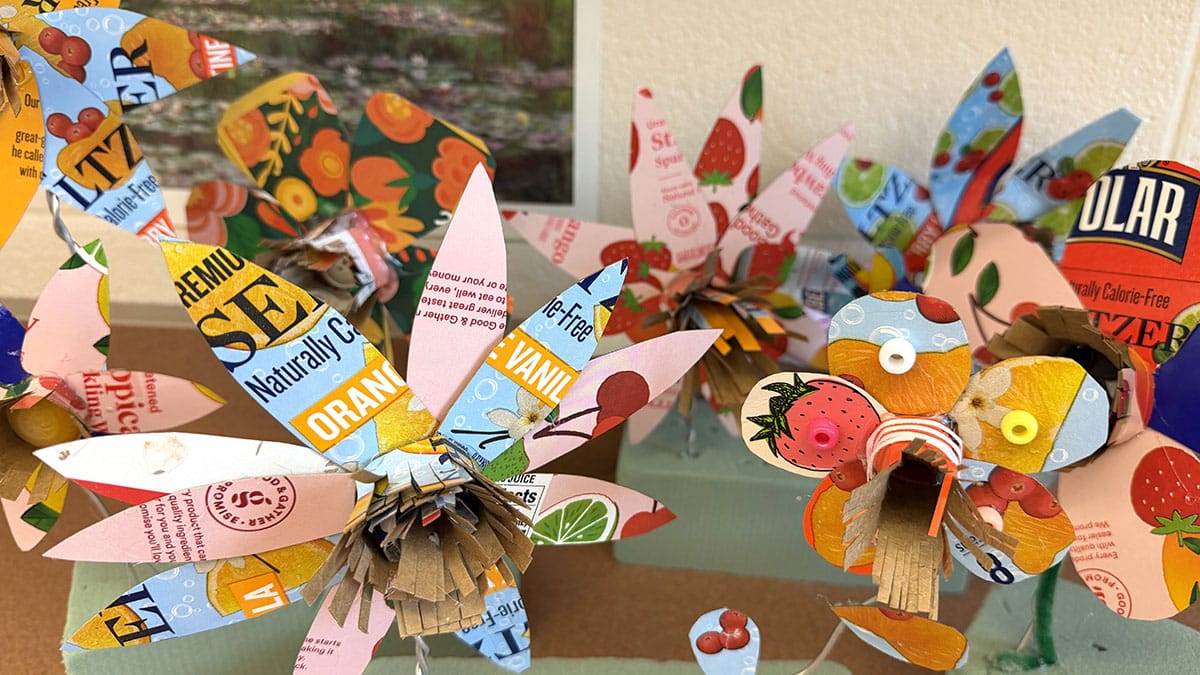
Social media is a fun place to find inspiration for art teacher life, especially beautiful art project ideas. The polished projects we see online are enticing, but they don’t fully capture all of the planning, instruction, and artmaking behind them. When we take time to focus on the process of creativity and making, we place importance on thinking like artists and developing autonomy. And the result? Picture-perfect artworks, after all!
Let’s look at three ways to increase the use of process-based art, support students’ autonomy as artists, and elevate final artworks.
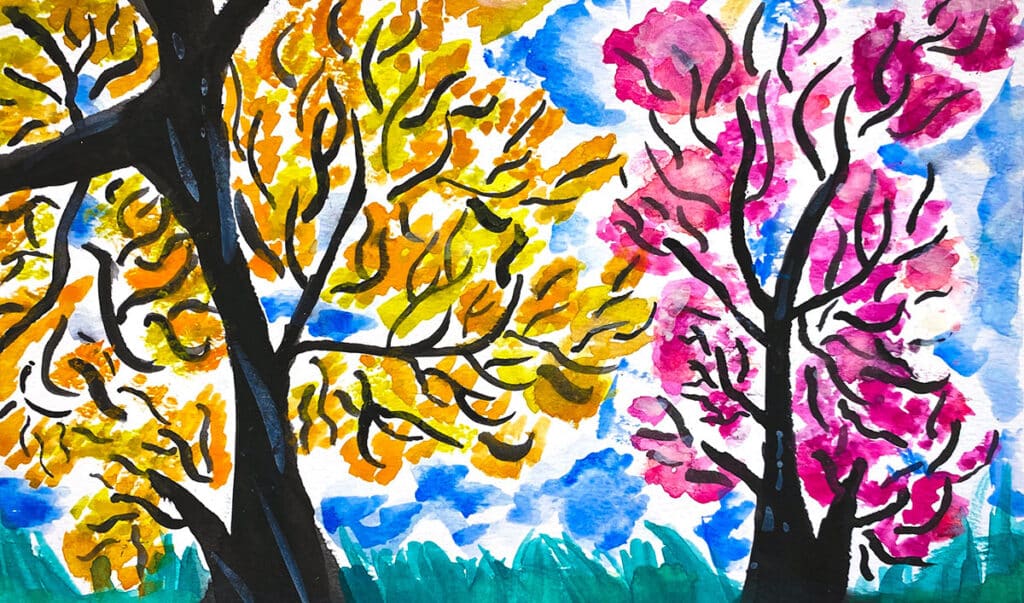
What are the Studio Habits of Mind (SHoM)?
Art teachers know that students learn best through play and experimentation, and the art studio is the best playground for creative thinkers. John Dewey’s thoughts revolutionized education, including the idea of learning through experience or “learning by doing.” This learning process moves toward creating and reflecting rather than solely relying on teacher-led instruction, lectures, and demonstrations.
The Studio Habits of Mind (SHoM) is an eight-habit framework from Harvard Project Zero. Each component encourages students to think and work like artists by exploring the decision-making and habits that shape artistic practice. It embraces the idea of an “art studio” rather than an “art factory.” There’s a strong emphasis on process-based learning and incorporating student choice to support learner autonomy. A SHoM produces artwork that is thoughtful, rich in media, and abounding in personal expression.
Teach students to work like artists with the SHoM framework:
- Develop Craft: Students refine skills and techniques
- Engage & Persist: Students stay focused and work through challenges
- Envision: Students imagine possibilities and plan next steps
- Express: Students convey ideas and meaning
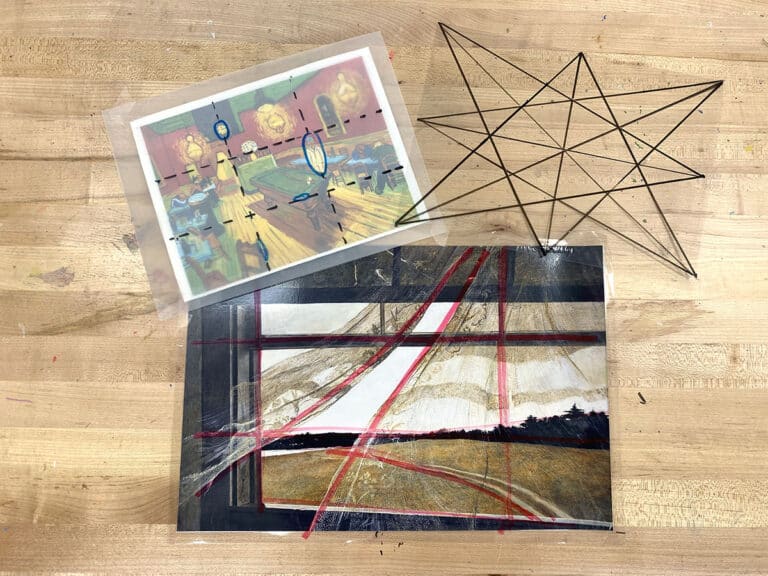
- Observe: Students notice details and see in new ways
- Reflect: Students evaluate their work and revise
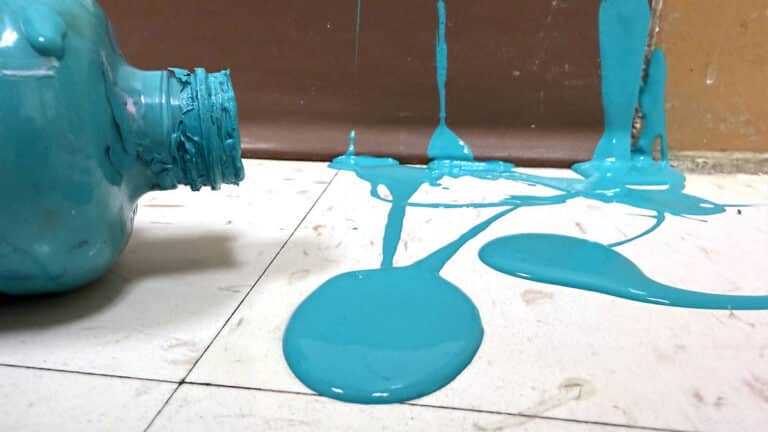
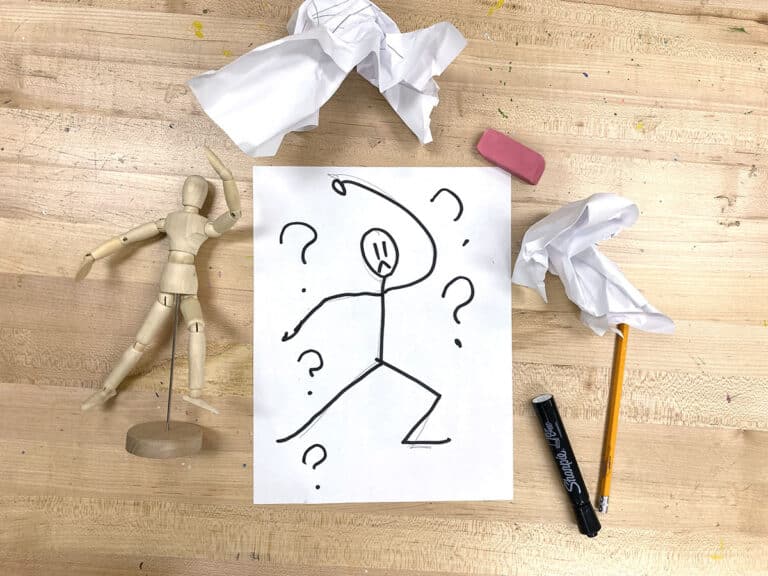
- Stretch & Explore: Students experiment, take risks, and embrace mistakes
- Understand Art Worlds: Students connect to and understand art in the world around them
For a deeper look at the SHoM with helpful resources and activities to effectively teach each studio habit, watch the PRO Learning Pack, Studio Habits of Mind in the Elementary Art Room.
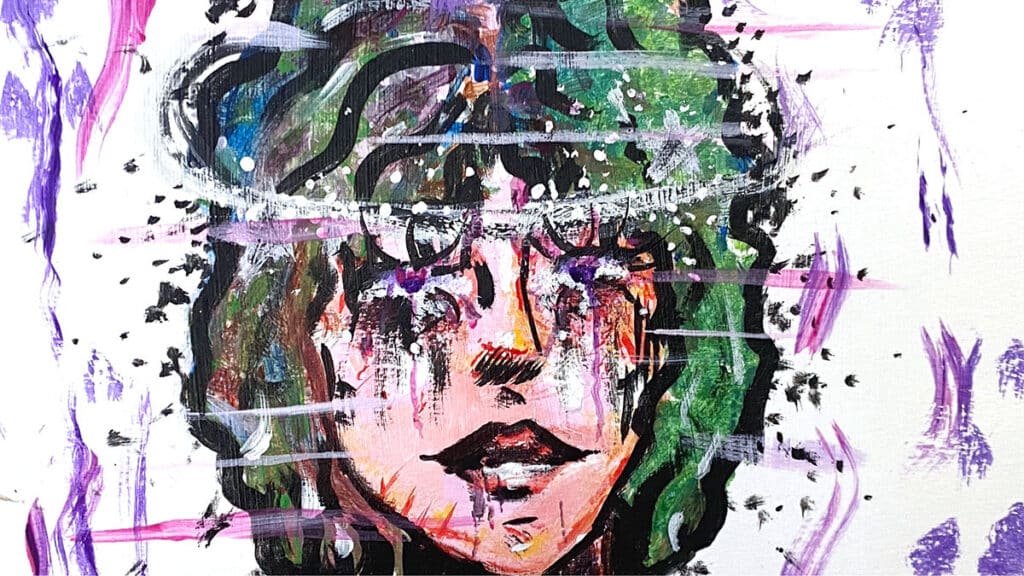
Balance process-based learning with the SHoM to create picture-perfect artworks using these three simple routines.
1. Sketchbook Skills
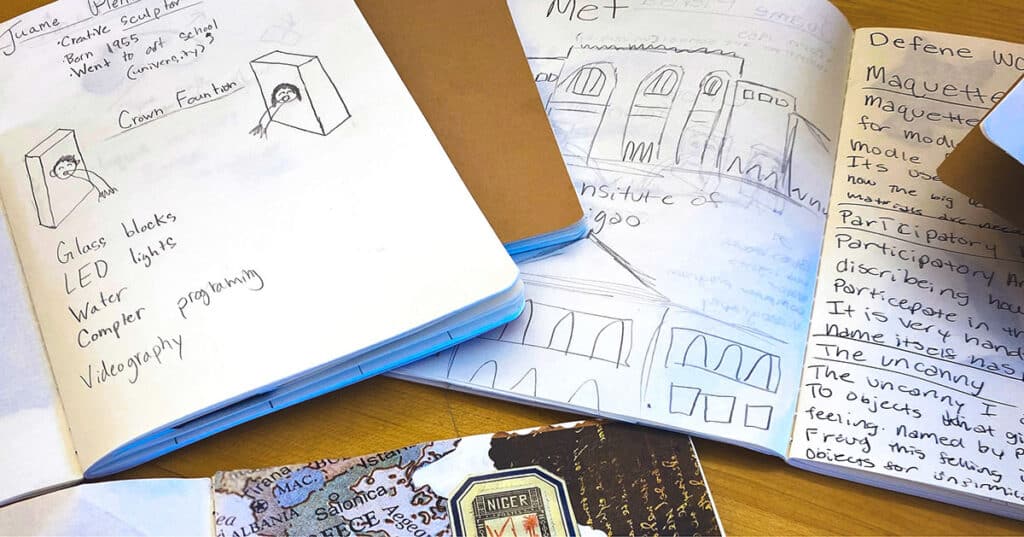
Create a daily sketchbook routine to embrace the art process and make learning visible. A daily sketchbook routine is an anchor your classes will love. Sketchbooks give each student their own space to explore what it means to be their own artist, ask questions, and test ideas. A sketchbook process naturally develops the SHoM and the final artwork by meeting all eight habits.
One tangible sketchbook routine to try is self-directed skill development. This can be a 5-10-minute bellringer to warm up drawing skills, or a calm way to decompress at the end of class as an exit ticket. You can even do this for an entire class period if students are in the zone! Provide a variety of how-to-draw guides and reference photos for students to copy. Allow students to draw subjects of their choice that align with their interests and passions, such as faces, cars, skyscrapers, or dogs. This is a great balance between student autonomy and Developing Craft that will elevate final artworks. Plus, nothing boosts confidence more than skill-building!
2. Imagination Day
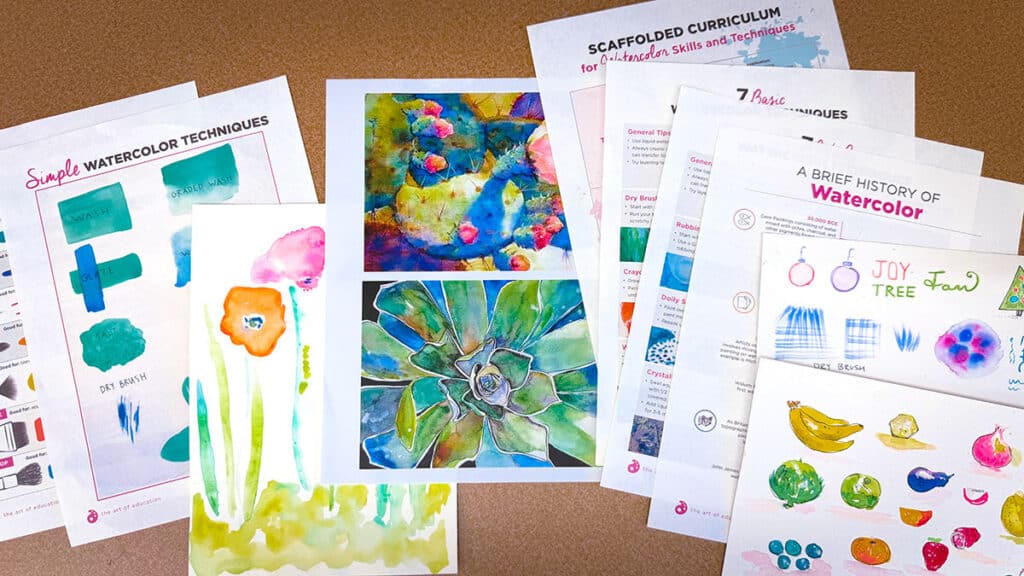
Picture a day where students can freely explore a specific medium without the pressure of having an end product. Centers are the perfect solution for your Imagination Day because they help students dive into a specific medium in depth. As students grow proficient in a specific medium, they become experts, producing artwork with greater technical skill. An open-ended experience like this reinforces the SHoM by creating space for students to Envision and Stretch & Explore.
Typically, centers are permanent or long-term areas in your art room, each designed around a specific medium, like collage or embroidery. Decide what centers you’d like to provide and stock them with basic instructions, materials, and examples. Briefly introduce each center to foster excitement and a sense of responsibility. Students will stay at the center of their choice for the entire Imagination Day and can even return to continue their explorations as an early-finisher activity.
Make your Imagination Day magical with these medium-specific centers:
Watch the PRO Learning Pack, Organizing the Art Room for Choice, to discover how to best set up your art room to support centers. The video resources outline how to organize your space as a whole and each center individually. Don’t miss the included anchor charts to support student autonomy!
3. Station Stashes
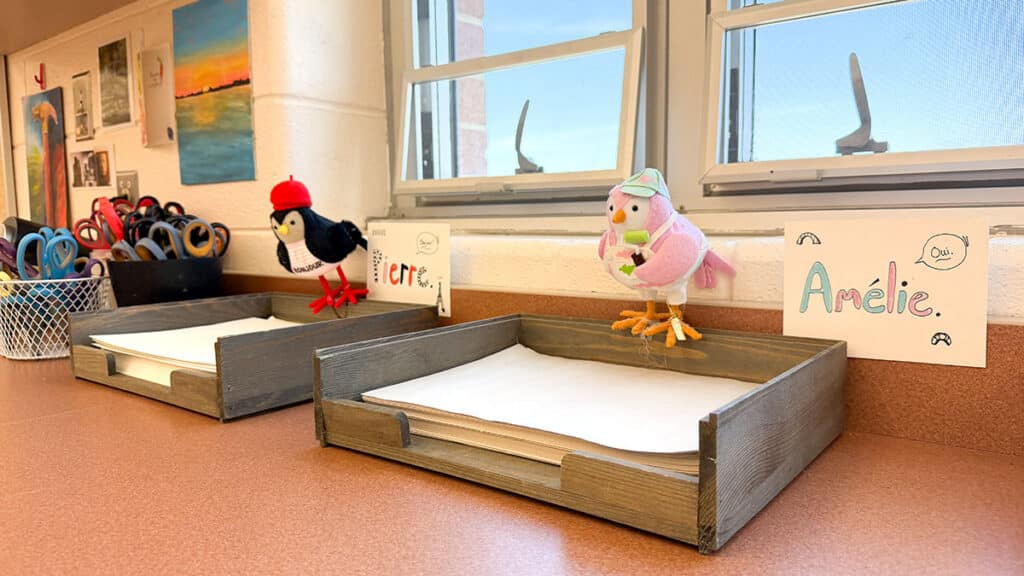
While centers challenge students to engage in self-directed exploration, stations involve a rotation of teacher-led activities with a specific task to complete. To streamline the activities, create boxes that house all materials and resources for each station. Pass them around to each student or group during class and stash them away when they’re not in use. Each station or box should include a clear objective for students to work toward at their own pace. This activity supports the SHoM by asking students to Engage & Persist to meet the objective and Understand Art Worlds by working through the challenge.
Try these stations:
- Create one balanced, non-objective composition using non-traditional media
- Express one emotion through color, shape, and line
- Do a “Match the Color” paint mixing challenge
- Make five compositions using adjacent color schemes
- Discover four interesting facts about an artist using FLEX Curriculum’s Artist Bios
- Curate a mini-gallery using a selection of 60 mini prints
- Compare and contrast two artists, artworks, or ideas using FLEX Curriculum’s Venn Diagram

Assessment and Reflection
Figuring out how to assess student-directed work can be tricky. Instead of evaluating participation in the activity or only the final artwork at the end of a unit, assess the eight habits. For each activity or assignment, come up with a tangible list of evidence for each habit. Let’s say you need to assess the students who participated in a watercolor center. For Stretch & Explore, students should experiment, take risks, and embrace mistakes. This can look like trying new color bleeds, playing with salt chemistry, and layering paint over various soluble and permanent markers in their sketchbooks.
Encourage students to document quick studies, experiments, and revisions so their growth is visible over time. Show them how to annotate and label their work with what steps they took and the outcome they achieved. Students can also include any resources or inspirations they used and add their own personal opinions. This also makes it easier for you to know what you’re looking at and helps develop their skills in communicating their artistic thinking.
Students love to discover on their own! One of the most rewarding aspects of teaching is witnessing their “aha” moments. Bring structure to the exploratory process with the Studio Habits of Mind (SHoM), an eight-part framework that outlines artistic thinking and behavior. When students can identify the habits that shape their artistic process, they begin to see themselves as capable artists rather than students who complete assignments. This shift dramatically increases their confidence, provides exercises to boost their skills, and improves their final artworks. Try sketchbook skill drills, Imagination Days, or stations to see how you can achieve both a fabulous process and a fabulous product.
Where can you use process-based exploration to strengthen student artwork across your art curriculum?
Which SHoM do you still have questions about?
To chat about SHoM with other art teachers, join us in The Art of Ed Community!
Magazine articles and podcasts are opinions of professional education contributors and do not necessarily represent the position of the Art of Education University (AOEU) or its academic offerings. Contributors use terms in the way they are most often talked about in the scope of their educational experiences.